
Fiddle Leaf Fig:
I brought my new plant home about 3 weeks ago.
So far it has had about 4 leaves turn brown and crispy and fall off. Some of the leaves have browning edges.
.
I’m trying to let it settle in. I’ve watered twice since bring it home; first as soon as we got it in the house, in its new spot- the dirt was very dry. And again just now, still very dry. I saturated it so that the water came pouring out the bottom. It’s no longer sitting in water. I also just misted it, as we are in AZ, and the house humidity stays at 35% or less.
.
It’s sitting just to the right of a west facing windowfaing AZ window. Bright afternoon/eveningeveinf light, but no direct sun on it.
.
Is it just acclimating? What should I watch for? I’m gonna let it settle in a bit longer before repotting it into a slightly larger pot- it’s def root bound. #FiddleLeafFig
So far it has had about 4 leaves turn brown and crispy and fall off. Some of the leaves have browning edges.
.
I’m trying to let it settle in. I’ve watered twice since bring it home; first as soon as we got it in the house, in its new spot- the dirt was very dry. And again just now, still very dry. I saturated it so that the water came pouring out the bottom. It’s no longer sitting in water. I also just misted it, as we are in AZ, and the house humidity stays at 35% or less.
.
It’s sitting just to the right of a west facing windowfaing AZ window. Bright afternoon/eveningeveinf light, but no direct sun on it.
.
Is it just acclimating? What should I watch for? I’m gonna let it settle in a bit longer before repotting it into a slightly larger pot- it’s def root bound. #FiddleLeafFig


 17
17




@HyggeVibes Fiddle leaf fig leaves turning brown, crispy, and falling off are often due to environmental stress, particularly from low humidity, overwatering, or underwatering. These factors can cause the plant to struggle with moisture, leading to browning and leaf drop. Other potential causes include nutrient deficiencies, root rot, and even sunburn. Here's a more detailed look at the possible causes and solutions:
1. Watering Issues:
Overwatering:
Fiddle leaf figs are sensitive to overwatering. This can lead to root rot, which then affects the plant's ability to absorb nutrients and moisture, causing brown spots and leaf drop.
Underwatering:
Fiddle leaf figs need regular watering, and allowing the soil to dry out completely can lead to crispy, brown leaves.
Solution:
Water when the top inch or two of soil feels dry, and make sure the pot has good drainage.
2. Environmental Factors:
Low Humidity:
Fiddle leaf figs are tropical plants that thrive in humid environments. Dry air can cause the leaves to brown and crisp, especially at the tips and edges.
Sudden Temperature Changes:
Moving the plant to a location with extreme temperature changes (hot or cold) can stress the plant, causing leaves to drop.
Solution:
Increase humidity with a humidifier, place the plant near other plants, or group plants together to increase humidity. Avoid sudden temperature changes.
3. Light Issues:
Sunburn: Direct sunlight can scorch the leaves, causing brown spots and crispy edges.
Lack of Light: Insufficient light can cause yellowing and drooping leaves, and eventually leaf drop.
Solution: Provide bright, indirect light or filtered sunlight.
4. Other Factors:
Nutrient Deficiencies:
Fiddle leaf figs need a balanced diet of nutrients, and deficiencies can cause yellowing, brown spots, and crispy leaves. Root Rot:
Overwatering can lead to root rot, which then affects the plant's ability to absorb nutrients and moisture.
Pests and Diseases:
Pest infestations or diseases can also damage the leaves, causing browning and leaf drop.
Solution:
Fertilize with a balanced houseplant fertilizer according to package directions, ensure proper drainage, and address any pest or disease issues.
5. Addressing the Specific Symptoms:
Brown leaf edges: Check for low humidity, overwatering, or nutrient deficiencies.
Crispy leaves: This usually indicates dehydration or low humidity.
Leaf drop: Could be due to overwatering, underwatering, sudden temperature changes, or low humidity.
Brown spots: Could be due to overwatering, nutrient deficiencies, sunburn, or root rot.
To help diagnose the issue:
Check the soil: Is it dry or soggy? What's the drainage like?
Observe the leaves: Are they crispy, browning, droopy, or yellowing?
Assess the environment: Is the plant in a humid, bright location?
Inspect for pests: Are there any insects or mites on the leaves or stems? Hope this e. Happy Growing!!
1. Watering Issues:
Overwatering:
Fiddle leaf figs are sensitive to overwatering. This can lead to root rot, which then affects the plant's ability to absorb nutrients and moisture, causing brown spots and leaf drop.
Underwatering:
Fiddle leaf figs need regular watering, and allowing the soil to dry out completely can lead to crispy, brown leaves.
Solution:
Water when the top inch or two of soil feels dry, and make sure the pot has good drainage.
2. Environmental Factors:
Low Humidity:
Fiddle leaf figs are tropical plants that thrive in humid environments. Dry air can cause the leaves to brown and crisp, especially at the tips and edges.
Sudden Temperature Changes:
Moving the plant to a location with extreme temperature changes (hot or cold) can stress the plant, causing leaves to drop.
Solution:
Increase humidity with a humidifier, place the plant near other plants, or group plants together to increase humidity. Avoid sudden temperature changes.
3. Light Issues:
Sunburn: Direct sunlight can scorch the leaves, causing brown spots and crispy edges.
Lack of Light: Insufficient light can cause yellowing and drooping leaves, and eventually leaf drop.
Solution: Provide bright, indirect light or filtered sunlight.
4. Other Factors:
Nutrient Deficiencies:
Fiddle leaf figs need a balanced diet of nutrients, and deficiencies can cause yellowing, brown spots, and crispy leaves. Root Rot:
Overwatering can lead to root rot, which then affects the plant's ability to absorb nutrients and moisture.
Pests and Diseases:
Pest infestations or diseases can also damage the leaves, causing browning and leaf drop.
Solution:
Fertilize with a balanced houseplant fertilizer according to package directions, ensure proper drainage, and address any pest or disease issues.
5. Addressing the Specific Symptoms:
Brown leaf edges: Check for low humidity, overwatering, or nutrient deficiencies.
Crispy leaves: This usually indicates dehydration or low humidity.
Leaf drop: Could be due to overwatering, underwatering, sudden temperature changes, or low humidity.
Brown spots: Could be due to overwatering, nutrient deficiencies, sunburn, or root rot.
To help diagnose the issue:
Check the soil: Is it dry or soggy? What's the drainage like?
Observe the leaves: Are they crispy, browning, droopy, or yellowing?
Assess the environment: Is the plant in a humid, bright location?
Inspect for pests: Are there any insects or mites on the leaves or stems? Hope this e. Happy Growing!!

I’ve had my fiddle leaf fig for six years now and it’s most likely too little humidity or water. I don’t have a pebble tray or humidifier but I do mist her. I know people say not to but in the six years I’ve had her she’s lost two leaves on her own and I’ve had to cut off the rest because they got too big. Also if you fertilized her recently she might have gotten too much fertilizer. They also love bright indirect light. I’ve left mine outside to get some extra sun if she looks a little wimpy
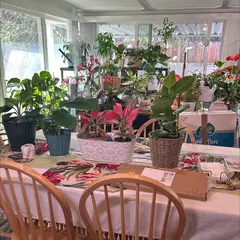
@HyggeVibes if the water is pouring right through the plant that is not a good sign. That likely mean you have a deficiency in the soil and lack nutrients. I would try bottom watering. I have a spider plant that won’t take water on top so I water it on a big tray and leave it for 30 mins. It sucks up all the excess water from the bottom of the tray so I know it’s gotten to the roots. FLF prefer fast-draining soil and containers with plenty of room to drain so their roots can stay evenly moist but never wet and soggy. They also generally prefer a porous pot with good drainage. Porous pots, like terra-cotta or ceramic, allow excess water to evaporate and drain away, preventing root rot. You can place the plant on a pebble tray filled with water to increase humidity and moisture around the plant or stick it in the bathroom while you shower to soak up humidity there but do not mist the plant. It can cause fungus and bacteria to grow. I’d suggest potting in fresh soil in a terracotta or ceramic pot. The best soil is a mix of peat moss and perlite with other amendments for drainage. I add orchid bark and coco coir chips to make the soil chunkier. The key is to create a balance between moisture retention and drainage, ensuring the roots don't get waterlogged and give it plenty of bright but indirect light. Mine is less than 2 feet from a west facing window and I subsidize light with grow lights in my atrium. I also have a humidifier running in there all day.



@Ms.Persnickety thank you. I think it’s a humidity issue for sure. I placed a humidifier right next to it. Hope to see improvement soon.


@HyggeVibes that almost looks worse than before. Have you check the roots by chance? Maybe there is something going on under the soil that we can’t see. As a next step, I’d take it out of the pot and examine the roots to make sure they are healthy. If all firm and white, you can just place the plant back in the pot. If brown, black, mushy or brittle roots appear, that is rot and you’ll need to remove the bad roots and treat the remaining ones with a peroxide soak before repotting in fresh soil. Another thing I didn’t mention because I forgot is are you using tap water to water? There are sometimes too many chemicals in tap water and they stay in the soil which can affect the plants health. I water my plant with filtered or rain water only. If you have to use tap water, fill a container and let sit out for 24 hours to evaporate the harsh chemicals before watering your plants. If the roots are healthy, you increased the humidity and moved it to a bright spot with indirect lighting, it may just be going through a bit of shock adjustment to get used to your home and hopefully will acclimate soon.

I got a refund on the plant. It has dropped more leaves. I still have hopes of reviving it.
Will these now empty branches ever produce new growth?
Will these now empty branches ever produce new growth?


