
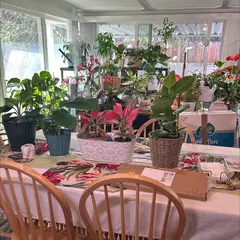
How can I get cutting to grow from my one bush


20” pot with drainage

Last watered 11 months ago

 2
2


It’s hard to get cuttings to grow from plants that are already flowering. I recommend finding a branch that does not have any flowers, remove the bottom leaves and either put it in a glass of water with only about an inch or two filled (not touching any leaves) or you can dip the wound end of the cutting in a rooting agent like clonex to stimulate root growth.


@PetRaspfern56
To propagate a club begonia, take a stem cutting with at least two nodes (points where leaves grow), remove excess leaves and buds, and dip the cut end in a rooting hormone if desired. You can then plant the cutting in a well-draining potting mix or place it in water, ensuring good drainage and moisture. Place the cutting in bright, indirect light, and keep the medium moist to encourage root and new leaf development.
1. Prepare the Cutting
Select a healthy stem:
Choose a vibrant, healthy stem from the parent plant that has at least two nodes.
Cut the stem:
Using a sharp, sterilized knife or razor blade, cut the stem about 5 to 7 cm long, ensuring it includes at least one to two nodes.
Remove leaves and buds:
Trim off any large leaves or flower buds from the cutting, as these can divert energy away from root development.
(Optional) Use rooting hormone:
Dip the cut end of the stem into a powdered rooting hormone to encourage faster and more robust root growth.
2. Plant the Cutting
Choose a medium:
You can plant the cutting directly into a pot filled with a well-draining potting mix, or you can place it in a glass of water.
Position the cutting:
If using soil, poke a hole with a stick and gently insert the stem, ensuring at least one node is below the surface. If using water, make sure at least one or two nodes are submerged.
3. Create a Humid Environment
Cover the cutting:
To maintain humidity, cover the pot with a plastic bag or place the water container in a sealed box.
Provide indirect light:
Place the propagation tray in a brightly lit spot but out of direct sunlight, as filtered light is best.
4. Care for the Cutting
Keep it moist: Water the potting mix thoroughly to keep it consistently moist but not waterlogged.
Be patient: New leaves and roots will take time to develop, so be patient.
Transplant when ready: Once the cutting has developed sufficient roots, you can transplant it into its own container
To propagate a club begonia, take a stem cutting with at least two nodes (points where leaves grow), remove excess leaves and buds, and dip the cut end in a rooting hormone if desired. You can then plant the cutting in a well-draining potting mix or place it in water, ensuring good drainage and moisture. Place the cutting in bright, indirect light, and keep the medium moist to encourage root and new leaf development.
1. Prepare the Cutting
Select a healthy stem:
Choose a vibrant, healthy stem from the parent plant that has at least two nodes.
Cut the stem:
Using a sharp, sterilized knife or razor blade, cut the stem about 5 to 7 cm long, ensuring it includes at least one to two nodes.
Remove leaves and buds:
Trim off any large leaves or flower buds from the cutting, as these can divert energy away from root development.
(Optional) Use rooting hormone:
Dip the cut end of the stem into a powdered rooting hormone to encourage faster and more robust root growth.
2. Plant the Cutting
Choose a medium:
You can plant the cutting directly into a pot filled with a well-draining potting mix, or you can place it in a glass of water.
Position the cutting:
If using soil, poke a hole with a stick and gently insert the stem, ensuring at least one node is below the surface. If using water, make sure at least one or two nodes are submerged.
3. Create a Humid Environment
Cover the cutting:
To maintain humidity, cover the pot with a plastic bag or place the water container in a sealed box.
Provide indirect light:
Place the propagation tray in a brightly lit spot but out of direct sunlight, as filtered light is best.
4. Care for the Cutting
Keep it moist: Water the potting mix thoroughly to keep it consistently moist but not waterlogged.
Be patient: New leaves and roots will take time to develop, so be patient.
Transplant when ready: Once the cutting has developed sufficient roots, you can transplant it into its own container