
Are they calloused yet?
First time doing this and I don’t know what a cactus callous is supposed to look like 🤣 Cut Sunday. #PricklyPearCactus #CactusClique


 10
10



@JCPlantProper yes ma’am. Cut them from my restaurant to grow at my house for #ThatsJustShellyClarkson ❤️ Would you lay them on top of the soil or bury the butts? I know technically both work but does one help it root better than the other?


@LauraLynne in my experience it really depends on what kind of plant it is. For those I would go ahead and bury it. If you have some, dip it in a little bit of rooting hormone first. Good luck!
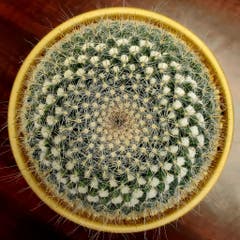



@LauraLynne If you're unsure whether your cactus cuttings have calloused yet, give them a few more days to ensure the cut ends are sufficiently dry and calloused before planting. Just make sure they're kept in a dry, well-ventilated area while they callous. Once they're ready, you can proceed with planting them. Knowing when your cactus cuttings are ready for planting involves a bit of observation. Here's what to look for Texture: The cut end should feel dry to the touch and slightly hardened. It might resemble a scab or callous.
Color Change: The color of the cut end might change slightly, becoming paler or less vibrant compared to when it was freshly cut.
Time Frame: Depending on the humidity and temperature of your environment, callousing can take anywhere from a few days to a couple of weeks.
Resistance to Touch: When you gently press the cut end, it should feel firmer than when you initially cut it. This indicates the callous has formed. If the cut end still feels soft, moist, or sticky, it's not ready for planting yet. Give it more time to callous before proceeding. Proper callousing helps prevent rot and increases the success rate of your cactus propagation.
Remember, patience is key in cactus propagation, and ensuring proper callousing is an important step for their successful growth.
Color Change: The color of the cut end might change slightly, becoming paler or less vibrant compared to when it was freshly cut.
Time Frame: Depending on the humidity and temperature of your environment, callousing can take anywhere from a few days to a couple of weeks.
Resistance to Touch: When you gently press the cut end, it should feel firmer than when you initially cut it. This indicates the callous has formed. If the cut end still feels soft, moist, or sticky, it's not ready for planting yet. Give it more time to callous before proceeding. Proper callousing helps prevent rot and increases the success rate of your cactus propagation.
Remember, patience is key in cactus propagation, and ensuring proper callousing is an important step for their successful growth.




I just laid mine down