
I moved 2 weeks ago, but my Abutilon has started to devel...


0ft to light, direct

10” pot with drainage

Last watered 1 year ago

 4
4


An Abutilon not thriving after being moved is likely experiencing transplant shock, a stress reaction caused by root disturbance and changes in its environment. This temporary setback is common but requires careful management of light, water, and soil conditions to help the plant recover.
Symptoms of transplant shock
Wilting: Leaves and stems appear limp and droopy, even if the soil is moist.
Leaf changes: Leaves may turn yellow, brown, or drop off. The edges may look scorched or curled.
Stunted growth: New growth slows or stops completely as the plant directs its energy toward root recovery.
Reduced blooming: Flowering may be delayed or halted.
Branch dieback: Tips or entire branches may start to die back.
How to help your Abutilon recover
Follow these steps immediately after moving your plant to ease its transition and promote new growth.
1. Water correctly
Water thoroughly after moving: This helps settle the soil around the roots and eliminates air pockets.
Keep soil consistently moist, but not wet: Abutilons dislike prolonged dry periods but are also susceptible to root rot if overwatered. After the initial watering, let the top inch of soil dry out before watering again.
Adjust for humidity: If you've moved the plant to a drier climate or indoors, it will lose water faster from its leaves. Consider misting the foliage or placing the pot on a tray of damp pebbles to increase humidity.
2. Adjust its location
Avoid harsh, direct sun: Place the plant in a shaded or semi-shaded area for a week or two to allow it to acclimate. Strong, direct sunlight, especially afternoon sun in warm climates, can burn stressed leaves.
Avoid wind: Protect it from strong winds, which can rapidly dry out the foliage.
Provide sufficient light after acclimation: Once the plant shows new growth, gradually move it into a brighter spot. Abutilons need 6–8 hours of bright, indirect light to bloom well. Burnt leaf edges indicate too much direct sun.
3. Manage nutrients
Do not fertilize immediately: Avoid fertilizing right after a move, as this can add more stress to the roots. Wait until the plant shows signs of new, active growth.
Start with a gentle feed: Once it's actively growing, use a balanced, water-soluble fertilizer at half-strength, or a bloom-boosting fertilizer, every few weeks during the growing season.
4. Check for root issues
Minimize root disturbance: Whenever possible, disturb the root ball as little as possible during the move.
Ensure good drainage: If you repotted the plant, ensure the new pot has adequate drainage holes and the soil is well-draining to prevent root rot.
Consider a transplant solution: You can add a vitamin solution, such as SUPERthrive, to your watering can to help reduce transplant shock.
5. Prune and monitor
Trim stressed branches: If parts of the plant show signs of severe dieback, trim them back just above a leaf node.
Monitor for pests: Stressed plants are more vulnerable to pests like spider mites and aphids. Inspect leaves regularly, especially the undersides.
Symptoms of transplant shock
Wilting: Leaves and stems appear limp and droopy, even if the soil is moist.
Leaf changes: Leaves may turn yellow, brown, or drop off. The edges may look scorched or curled.
Stunted growth: New growth slows or stops completely as the plant directs its energy toward root recovery.
Reduced blooming: Flowering may be delayed or halted.
Branch dieback: Tips or entire branches may start to die back.
How to help your Abutilon recover
Follow these steps immediately after moving your plant to ease its transition and promote new growth.
1. Water correctly
Water thoroughly after moving: This helps settle the soil around the roots and eliminates air pockets.
Keep soil consistently moist, but not wet: Abutilons dislike prolonged dry periods but are also susceptible to root rot if overwatered. After the initial watering, let the top inch of soil dry out before watering again.
Adjust for humidity: If you've moved the plant to a drier climate or indoors, it will lose water faster from its leaves. Consider misting the foliage or placing the pot on a tray of damp pebbles to increase humidity.
2. Adjust its location
Avoid harsh, direct sun: Place the plant in a shaded or semi-shaded area for a week or two to allow it to acclimate. Strong, direct sunlight, especially afternoon sun in warm climates, can burn stressed leaves.
Avoid wind: Protect it from strong winds, which can rapidly dry out the foliage.
Provide sufficient light after acclimation: Once the plant shows new growth, gradually move it into a brighter spot. Abutilons need 6–8 hours of bright, indirect light to bloom well. Burnt leaf edges indicate too much direct sun.
3. Manage nutrients
Do not fertilize immediately: Avoid fertilizing right after a move, as this can add more stress to the roots. Wait until the plant shows signs of new, active growth.
Start with a gentle feed: Once it's actively growing, use a balanced, water-soluble fertilizer at half-strength, or a bloom-boosting fertilizer, every few weeks during the growing season.
4. Check for root issues
Minimize root disturbance: Whenever possible, disturb the root ball as little as possible during the move.
Ensure good drainage: If you repotted the plant, ensure the new pot has adequate drainage holes and the soil is well-draining to prevent root rot.
Consider a transplant solution: You can add a vitamin solution, such as SUPERthrive, to your watering can to help reduce transplant shock.
5. Prune and monitor
Trim stressed branches: If parts of the plant show signs of severe dieback, trim them back just above a leaf node.
Monitor for pests: Stressed plants are more vulnerable to pests like spider mites and aphids. Inspect leaves regularly, especially the undersides.
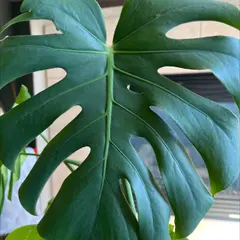

@FoxyCookspine28 I’m impressed that your plant is so large! I have one of these that barely survived. It’s still struggling but holding on. A fast breezy walk past it can cause all of the leaves to fall off!! I find the leaves everywhere 😢
Congrats on keeping it alive and healthy!!
Congrats on keeping it alive and healthy!!

@IWantThatPlant thank you! I’ve found that it’s pretty sensitive to too much heat or too much light will make it sad and weepy, for what it’s worth
@FoxyCookspine28 I’m still trying to find a good balance. I got it a humidifier and a spot behind a group of plants under a grow light, so the light is filtered. So far so good, but winter is coming so cross your fingers that it survives!!
