
Sad poinsettia
Woke up to my poinsettia looking all droopy and dead! Could this be due to overwatering? When I rescued it from school, water was thoroughly drenched. Any way to save or or is she dead? #Poinsettia


 9
9


@ChiScout Hello and welcome to Greg, Scout!
Poinsettias don’t like it when the temperature changes. Ensure there are no drafts and the temperature is between 60-70°F (15-21°C) with an atmospheric humidity of 30% or higher.
Wilting can also be caused by under-watering, over-watering, and root rot. Finally, remove any wrappings or other decorative elements from gifted plants for the best growth.
Sharp Changes in Temperature
Surprisingly, a drafty environment is the leading cause of wilting Poinsettia leaves.
These glamorous divas can’t stand sudden gusts of cold air and don’t like hurried breaths of hot air.
So they’ll show their displeasure with the weather by drooping their leaves whether the air is cool or warm.
Solution
Make sure the Poinsettia is in a place where the temperature stays the same. Check that they are not too close to vents, fans, or climate control systems.
If unsure, light a stick or cone of incense to test for poor airflow. Smoke should gently spiral upwards toward the ceiling.
Moving your Poinsettia to a more regular part of your growing environment is recommended if the smoke is blowing in unexpected directions, indicating the presence of an unseen draft.
Underwatering
If you haven’t watered your Poinsettia in a while because you’ve been too busy, it may start to look sad and wilted.
This is because cells in a plant’s leaves can store water, and the pressure of hydrated tissue is then used to support the plant.
This is called turgor, and the Poinsettia will not be able to keep it if the soil is too dry. As a result, the leaves will flop and wilt.
Insufficient watering can cause Poinsettia’s soil to dry and crumble and the pot to become noticeably light.
Solution
A dry Poinsettia will appreciate the generous helping of pure, filtered water. I like to water a sad-looking Poinsettia from below. By doing so, the water can reach the roots more quickly.
How to Water Poinsettia From Below
You will need:
Large basin or tub
Plenty of clean water – rainwater is best but distilled or filtered water is fine too.
To water from below:
Remove the Poinsettia from its drip tray and place it, pot and all, in your basin or tub.
Fill the tub with water until it reaches two-thirds up the pot’s side.
Allow the plant to soak for 15 to 30 minutes in the tub. The drainage holes allow water to seep into the potting mix, saturating the soil from the bottom up.
Maintain the depth of the water by topping it off.
Allow the Poinsettia to drain for an additional 15 minutes.
Return the plant to its drip tray or saucer. If any water drips appear, make sure to empty the tray.
Overwatering
The soil should be consistently moist without being soggy or waterlogged for poinsettias to thrive.
Overwatering them is straightforward, resulting in flooded soils and stressed unresponsive roots.
The Poinsettia cannot survive without the presence of tiny air spaces in the soil.
The roots’ ability to absorb soil moisture and nutrients depends on the company of those small air pockets. So they give up, and the leaves droop and look sad.
Check out the potting mix in Poinsettia’s container. Soil that never dries to the touch has a stale odor and may even have mold or algae growing on the surface are all symptoms of overwatering.
The oldest leaves are most at risk, as they are the ones to wilt and fall off.
Solution
A Poinsettia that has been overwatered can be quickly revived if the problem is caught in time.
First, stop watering the plants and let the ground dry out. You should also empty any drip trays or saucers that have standing water.
Next, take the Poinsettia out of its container and tap it gently to expose the roots.
Healthy roots should be a creamy color, somewhere between beige and a very light gray. They should only smell like dirt or, at most, a light mushroomy smell that shows the soil is healthy.
Be sure to only water the top inch or so of soil when it feels dry. Then, they won’t require much as the year progresses.
Root Rot
Root rot in poinsettias is a sad result of overwatering them for an extended period.
Eventually, the poor Poinsettia will die if its roots are allowed to sit in water, where they will become overworked and eventually suffocate.
Next, the entire root system starts to rot away, starting with the thin, exposed roots at the surface.
Finally, the soil’s beneficial microbes turn on the Poinsettia plant itself, feasting on the dying plant’s decaying roots.
Signs of root rot in a Poinsettia plant include a musty odor from the soil, discolored roots, and soft, mushy stems.
The roots themselves become black and brittle. The leaves on your plant will turn a dull yellow or brown, and the colorful bracts at the plant’s top will fall off.
If you want to save the Poinsettia, you must act quickly.
How to Fix
You will need to repot your Poinsettia to revive it.
You will need:
Fresh, clean soil
Clean pot
Newspaper or tarpaulin
Sterile scissors or garden shears
Garden trowel or small spade
Large tub or basin
Plenty of clean water
Cinnamon powder(optional)
How to Repot a Poinsettia with Root Rot
Begin by gathering your materials. Fill a large basin with clean water and ensure your tools are clean and sterile. Set up a tarpaulin or newspaper to protect your work surface.
Remove the Poinsettia from its pot gently.
Place the Poinsettia in the water basin and work the old soil away. Rinsing the roots will provide support while efficiently removing stagnant potting mix.
Examine the roots of the Poinsettia on a tarpaulin or newspaper. Any black, brown, snapped, or damaged must be removed with sterile shears or scissors.
Next, dust the roots of the Poinsettia with powdered cinnamon for the best results. Cinnamon contains antifungal compounds that occur naturally and promotes new root growth.
Allow the roots of your Poinsettia to dry partially while you prepare your new pot and soil.
Fill a clean pot two-thirds of the way with a new potting mix. Poinsettias require a rich, loamy soil rich in organic matter. I like to make my own by combining one part perlite, two parts coco coir or moss, and three parts potting soil. This will provide the ideal balance of moisture retention and drainage. Ensure your pot has at least three drainage holes to help drain the soil.
Replant your trimmed Poinsettia in its new medium, ensuring the roots are well spread and completely covered.
Allow it to drain thoroughly after filling it with fresh, clean water. Because the potting mix tends to settle during the first watering, you may need to top up the soil levels.
Return the Poinsettia to its drip tray or saucer and keep an eye on it. You may need to empty any excess water that has accumulated. Maintain the tray’s dryness.
Remove the old pot, soil, and water used to rinse the roots, and clean and sterilize your tools. Because root rot can be passed from plant to plant via dirty tools or contaminated pots and soil, never re-use material taken from a sick plant.
Poinsettias don’t like it when the temperature changes. Ensure there are no drafts and the temperature is between 60-70°F (15-21°C) with an atmospheric humidity of 30% or higher.
Wilting can also be caused by under-watering, over-watering, and root rot. Finally, remove any wrappings or other decorative elements from gifted plants for the best growth.
Sharp Changes in Temperature
Surprisingly, a drafty environment is the leading cause of wilting Poinsettia leaves.
These glamorous divas can’t stand sudden gusts of cold air and don’t like hurried breaths of hot air.
So they’ll show their displeasure with the weather by drooping their leaves whether the air is cool or warm.
Solution
Make sure the Poinsettia is in a place where the temperature stays the same. Check that they are not too close to vents, fans, or climate control systems.
If unsure, light a stick or cone of incense to test for poor airflow. Smoke should gently spiral upwards toward the ceiling.
Moving your Poinsettia to a more regular part of your growing environment is recommended if the smoke is blowing in unexpected directions, indicating the presence of an unseen draft.
Underwatering
If you haven’t watered your Poinsettia in a while because you’ve been too busy, it may start to look sad and wilted.
This is because cells in a plant’s leaves can store water, and the pressure of hydrated tissue is then used to support the plant.
This is called turgor, and the Poinsettia will not be able to keep it if the soil is too dry. As a result, the leaves will flop and wilt.
Insufficient watering can cause Poinsettia’s soil to dry and crumble and the pot to become noticeably light.
Solution
A dry Poinsettia will appreciate the generous helping of pure, filtered water. I like to water a sad-looking Poinsettia from below. By doing so, the water can reach the roots more quickly.
How to Water Poinsettia From Below
You will need:
Large basin or tub
Plenty of clean water – rainwater is best but distilled or filtered water is fine too.
To water from below:
Remove the Poinsettia from its drip tray and place it, pot and all, in your basin or tub.
Fill the tub with water until it reaches two-thirds up the pot’s side.
Allow the plant to soak for 15 to 30 minutes in the tub. The drainage holes allow water to seep into the potting mix, saturating the soil from the bottom up.
Maintain the depth of the water by topping it off.
Allow the Poinsettia to drain for an additional 15 minutes.
Return the plant to its drip tray or saucer. If any water drips appear, make sure to empty the tray.
Overwatering
The soil should be consistently moist without being soggy or waterlogged for poinsettias to thrive.
Overwatering them is straightforward, resulting in flooded soils and stressed unresponsive roots.
The Poinsettia cannot survive without the presence of tiny air spaces in the soil.
The roots’ ability to absorb soil moisture and nutrients depends on the company of those small air pockets. So they give up, and the leaves droop and look sad.
Check out the potting mix in Poinsettia’s container. Soil that never dries to the touch has a stale odor and may even have mold or algae growing on the surface are all symptoms of overwatering.
The oldest leaves are most at risk, as they are the ones to wilt and fall off.
Solution
A Poinsettia that has been overwatered can be quickly revived if the problem is caught in time.
First, stop watering the plants and let the ground dry out. You should also empty any drip trays or saucers that have standing water.
Next, take the Poinsettia out of its container and tap it gently to expose the roots.
Healthy roots should be a creamy color, somewhere between beige and a very light gray. They should only smell like dirt or, at most, a light mushroomy smell that shows the soil is healthy.
Be sure to only water the top inch or so of soil when it feels dry. Then, they won’t require much as the year progresses.
Root Rot
Root rot in poinsettias is a sad result of overwatering them for an extended period.
Eventually, the poor Poinsettia will die if its roots are allowed to sit in water, where they will become overworked and eventually suffocate.
Next, the entire root system starts to rot away, starting with the thin, exposed roots at the surface.
Finally, the soil’s beneficial microbes turn on the Poinsettia plant itself, feasting on the dying plant’s decaying roots.
Signs of root rot in a Poinsettia plant include a musty odor from the soil, discolored roots, and soft, mushy stems.
The roots themselves become black and brittle. The leaves on your plant will turn a dull yellow or brown, and the colorful bracts at the plant’s top will fall off.
If you want to save the Poinsettia, you must act quickly.
How to Fix
You will need to repot your Poinsettia to revive it.
You will need:
Fresh, clean soil
Clean pot
Newspaper or tarpaulin
Sterile scissors or garden shears
Garden trowel or small spade
Large tub or basin
Plenty of clean water
Cinnamon powder(optional)
How to Repot a Poinsettia with Root Rot
Begin by gathering your materials. Fill a large basin with clean water and ensure your tools are clean and sterile. Set up a tarpaulin or newspaper to protect your work surface.
Remove the Poinsettia from its pot gently.
Place the Poinsettia in the water basin and work the old soil away. Rinsing the roots will provide support while efficiently removing stagnant potting mix.
Examine the roots of the Poinsettia on a tarpaulin or newspaper. Any black, brown, snapped, or damaged must be removed with sterile shears or scissors.
Next, dust the roots of the Poinsettia with powdered cinnamon for the best results. Cinnamon contains antifungal compounds that occur naturally and promotes new root growth.
Allow the roots of your Poinsettia to dry partially while you prepare your new pot and soil.
Fill a clean pot two-thirds of the way with a new potting mix. Poinsettias require a rich, loamy soil rich in organic matter. I like to make my own by combining one part perlite, two parts coco coir or moss, and three parts potting soil. This will provide the ideal balance of moisture retention and drainage. Ensure your pot has at least three drainage holes to help drain the soil.
Replant your trimmed Poinsettia in its new medium, ensuring the roots are well spread and completely covered.
Allow it to drain thoroughly after filling it with fresh, clean water. Because the potting mix tends to settle during the first watering, you may need to top up the soil levels.
Return the Poinsettia to its drip tray or saucer and keep an eye on it. You may need to empty any excess water that has accumulated. Maintain the tray’s dryness.
Remove the old pot, soil, and water used to rinse the roots, and clean and sterilize your tools. Because root rot can be passed from plant to plant via dirty tools or contaminated pots and soil, never re-use material taken from a sick plant.


@KikiGoldblatt hi Kiki, thanks for the advice. The pot does have drainage, I just updated the info. I do believe it’s overwatering. Is there anything I can do at this point besides just waiting for it to dry out?


Hey, Scout! Believe it or not, poinsettias are tropical plants! They like bright sun and warm temperatures.
How is the soil feeling today? There are a few of us on here that are going for #Poinsettia365 - see how long we can keep them going!
Fun fact, they are bushes and in the #Euphorbia family. In the summer, I put mine outside and it flourishes!
How is the soil feeling today? There are a few of us on here that are going for #Poinsettia365 - see how long we can keep them going!
Fun fact, they are bushes and in the #Euphorbia family. In the summer, I put mine outside and it flourishes!
@sarahsalith thank you. Like I said, I’m almost certain this is from overwatering. It has plenty of sun and warmth. Is there anything I can do at this point?


I do know poinsettias are very sensitive to certain changes in the environment. I agree with @KikiGoldblatt on the poinsettia information.
I used to use fresh poinsettias to decorate our church during the Christmas season.
I also buy one every year to decorat my house with during the holidays. I might pick one up this week. There is a local family owned greenhouse in NJ that has beautiful poinsettias I get every year.
I used to use fresh poinsettias to decorate our church during the Christmas season.
I also buy one every year to decorat my house with during the holidays. I might pick one up this week. There is a local family owned greenhouse in NJ that has beautiful poinsettias I get every year.
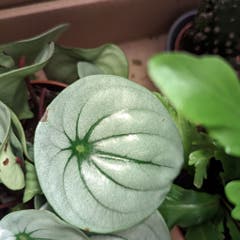
If I have a plant who has been overwatered I put it on some absorbent paper like a newspaper to help remove the water faster. It has definitely helped me reduce the time the plant is in unsuitable conditions. Good luck ❤️