Plant Care
›
Propagation
›
Butterfly Weed
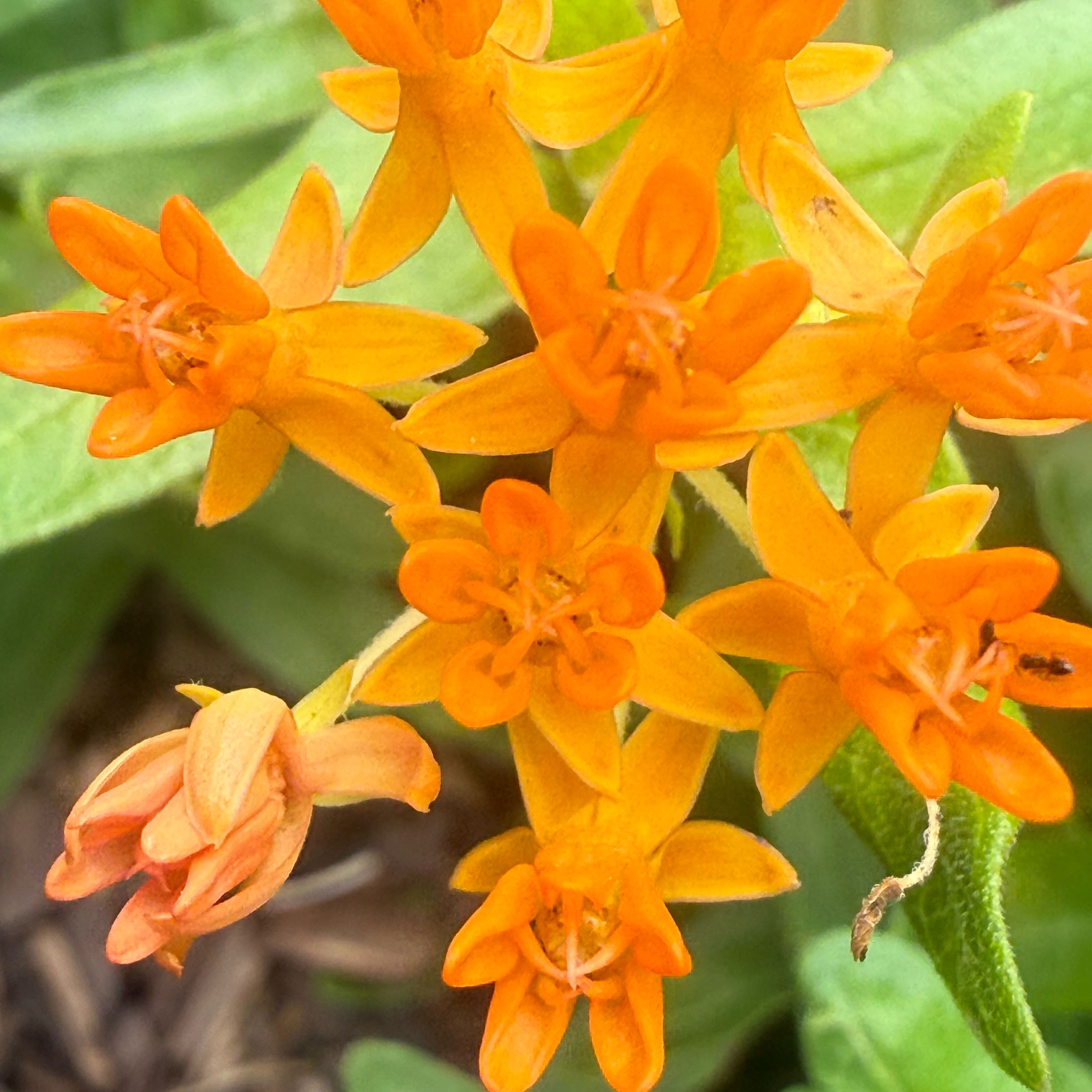
Asclepias tuberosa
Reviewed by Kiersten Rankel M.S.
QUICK ANSWER
Stratified seed sown in spring is the most reliable method and gives flowering plants in their second year.
Root cuttings taken in early spring sprout new shoots within 6 weeks and are the fastest way to clone a specific plant. Basal cuttings of new spring shoots root in 4 to 6 weeks but the deep taproot makes division a poor option for this species.
Root cuttings taken in early spring sprout new shoots within 6 weeks and are the fastest way to clone a specific plant. Basal cuttings of new spring shoots root in 4 to 6 weeks but the deep taproot makes division a poor option for this species.
Stay on top of plant care
Get seasonal reminders for watering and fertilizing, personalized for your plants.
Try Greg Free
Pick your method
Tap one to jump to the walkthrough.
From seed
Best for native plant gardens and pollinator strips
Root cuttings
Best for cloning a parent plant exactly
Basal cuttings
Best in spring when shoots are 3 to 4 inches tall
From seed
Time
2–3 weeks germination
Level
Beginner
Success rate
High
You'll need
Mature seed pods collected in fall
Plastic bag with damp sand
Refrigerator
Deep cells or root-trainer pots
Seed-starting mix
Bright light or a sunny window
1
Collect pods at peak maturity
Watch the upright green pods through summer. Collect when the pods turn beige and start to split slightly along the seam, usually September. Once they fully split, the silky parachutes carry the seeds away in a single afternoon.
2
Separate seed from fluff
Open the pods over a paper plate and pull the seeds free of the silky fluff. The flat brown seeds are easy to separate by holding the fluff and pulling.
Discard any seeds that are pale, hollow, or damaged. Viable seed is dark brown and feels firm between fingers.
Discard any seeds that are pale, hollow, or damaged. Viable seed is dark brown and feels firm between fingers.
3
Cold-stratify for 6 to 8 weeks
Mix seeds with damp sand in a plastic bag and refrigerate at 35 to 40 degrees for 6 to 8 weeks. Butterfly Weed seed germinates poorly without this cold-moist period. Spring sowing of unstratified seed gives erratic germination.
4
Sow in deep cells
Butterfly Weed develops a long taproot fast and resents being moved. Use root-trainer pots or 4-inch deep cells. Sow seeds half an inch deep in seed-starting mix. Water in lightly.
5
Keep at room temperature
Set in bright light at 65 to 75 degrees. Germination starts within 10 days and runs through week 3. Keep the surface damp but not wet. Excess moisture causes damping off in seedlings.
6
Plant out before the taproot fills the cell
Once seedlings have 4 true leaves, harden them off and plant directly into the garden. Do not pot up to a larger container because the taproot wraps and stunts growth. Plants flower in their second summer.
WATCH FOR
Seedlings flop over at the soil line within days of germination. That is damping off, a fungal disease driven by stagnant air and overwatering. Lift any humidity dome for several hours each day to circulate air, water from below by setting cells in a shallow dish, and thin crowded seedlings to give each one breathing room.
Root cuttings
Time
6–8 weeks
Level
Intermediate
Success rate
High
You'll need
Sharp spade
Sterile knife
Deep nursery pots (4-inch or root trainers)
Sandy potting mix
Cold frame or sheltered outdoor spot
1
Dig in early spring
In March before the plant emerges from dormancy, dig 8 inches down and 12 inches out from the crown of an established Butterfly Weed. Find the lateral roots, which are pencil-thick and run horizontally just below the surface.
2
Cut 2-inch sections
Sever a few healthy roots from the parent and cut each one into 2-inch sections. Make the top cut flat and the bottom cut at an angle so you can tell orientation later.
Replace soil around the parent and water it in. The plant tolerates losing a few root pieces and recovers fully.
Replace soil around the parent and water it in. The plant tolerates losing a few root pieces and recovers fully.
3
Stick vertically in pots
Fill deep pots or root trainers with sandy potting mix. Push each root section in vertically with the flat top end at soil level and the angled end pointing down. Cover the top with a quarter inch of mix.
4
Water once and place outdoors
Soak each pot once and set in a cold frame or sheltered outdoor spot. Bottom heat is not needed. Spring soil temperatures handle root cuttings naturally. Do not water again until shoots appear.
5
Wait for shoots
New green shoots push from the buried top end of each root section within 6 to 8 weeks. Once shoots are 3 inches tall, the section has also grown new feeder roots and the cutting is established.
6
Plant out at the right size
By July, lift each rooted section gently to confirm new feeder roots have formed. Plant directly into the garden with minimal disturbance. Butterfly Weed dislikes pot life and prefers to settle into permanent soil as soon as possible.
WATCH FOR
Root sections rot before any shoot appears. The soil stayed too wet during the cool dormant phase. Sandy mix and minimal watering until shoots emerge are critical. If a section feels mushy when pulled, it is dead. Discard it and try again with grittier mix and pots that drain freely.
Basal cuttings
Time
4–6 weeks
Level
Intermediate
Success rate
Moderate
You'll need
Sterile sharp knife
Rooting hormone powder
4-inch pots with drainage
Sandy perlite-peat mix
Clear humidity dome
Bright indirect light
1
Wait for new spring shoots
Butterfly Weed pushes new shoots from the crown in late spring. Wait until shoots are 3 to 4 inches tall and still soft and green. Once shoots reach 6 inches and start to firm up, the cutting window has closed.
2
Cut at the base with a sliver of root
Use a sterile knife to slice each shoot off at the very base, taking a small heel of root tissue with the cutting. The heel is what carries the energy reserves for rooting.
Avoid pulling the shoot off cleanly because that misses the heel. A shallow cut into the crown gives the heel.
Avoid pulling the shoot off cleanly because that misses the heel. A shallow cut into the crown gives the heel.
3
Dust with rooting hormone
Tap the cut base in rooting hormone powder. Butterfly Weed basal cuttings root at about 40 percent without hormone and 70 percent with it. Knock off excess powder.
4
Stick in sandy mix
Push each cutting 1 inch deep into damp sandy perlite-peat mix in a 4-inch pot. Three cuttings per pot is fine. Firm the medium and water in from below.
5
Cover with a dome
Set the pot inside a clear dome in bright indirect light at 65 to 70 degrees. Direct sun cooks the cuttings through the plastic. Mist the inside of the dome lightly every 3 days.
6
Pot up at week 4 to 6
Tug-test gently. Resistance means roots have anchored. Vent the dome 30 minutes daily for a week to acclimate, then transplant rooted cuttings directly into the garden. Butterfly Weed dislikes pot life so move them to permanent soil quickly.
WATCH FOR
The cutting wilts within the first 2 days and never recovers. The shoot was already too mature when cut, or the heel was missed entirely. Take fresh cuttings from younger shoots, slice cleanly with a sliver of crown attached, and seal the dome more tightly. Cuttings that hold their leaves through the first 5 days usually go on to root.
Stay on top of plant care
Get seasonal reminders for watering and fertilizing, personalized for your plants.
Try Greg Free
About This Article

Kiersten Rankel M.S.
Botanical Data Lead at Greg · Plant Scientist
Editorial Process
Propagation methods verified against Asclepias tuberosa growth data from Greg's botanical database, cross-referenced with USDA hardiness zone data and published horticultural research.
228+ Greg users growing this plant
USDA hardiness zones 3a–9b