Plant Care
›
Propagation
›
Muscadine Grape
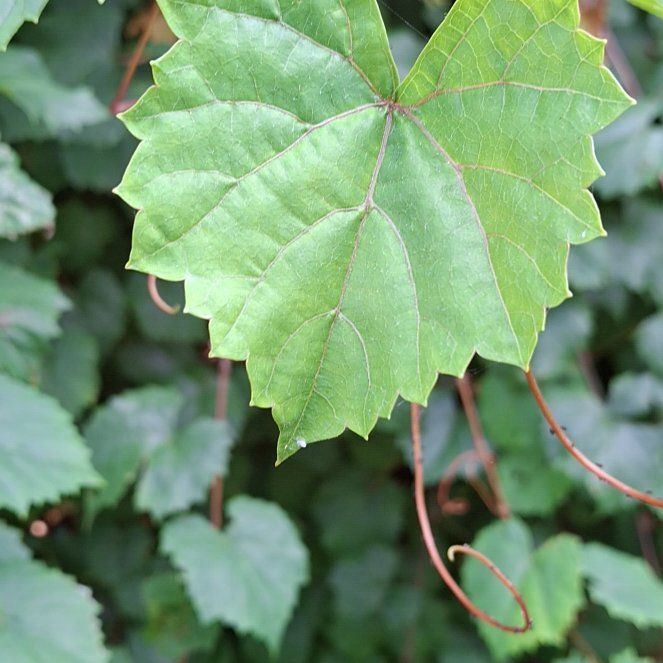
Vitis rotundifolia
Reviewed by Kiersten Rankel M.S.
QUICK ANSWER
Layering is the most reliable method and produces a rooted vine in 6 to 10 weeks by pinning a low cane to the soil. Hardwood cuttings taken in late winter root in 8 to 12 weeks but have a moderate failure rate without bottom heat.
Softwood cuttings in early summer root fastest at 4 to 6 weeks but require constant humidity and only work on green wood from the current season.
Softwood cuttings in early summer root fastest at 4 to 6 weeks but require constant humidity and only work on green wood from the current season.
Stay on top of plant care
Get seasonal reminders for watering and fertilizing, personalized for your plants.
Try Greg Free
Pick your method
Tap one to jump to the walkthrough.
Ground layering
Best for the most reliable single new vine
Hardwood cuttings
Best for taking many cuttings at once
Softwood cuttings
Best in early summer for fast rooting
Ground layering
Time
6–10 weeks
Level
Beginner
Success rate
High
You'll need
Low growing cane attached to the parent vine
Garden trowel
Landscape pin or bent wire
Sharp knife
1 gallon nursery pot for transplanting
1
Pick a flexible low cane
In late spring, find a one year old cane long enough to bend down to the soil. The cane should reach the ground without snapping. Muscadine roots best on wood that bore last year and is now putting out fresh shoots.
2
Wound the buried section
Bend the cane down and mark where it touches the soil. Scrape a half inch strip of bark off the underside at that contact point with a sharp knife. The wound exposes cambium and signals the cane to push roots.
3
Bury and pin
Dig a shallow trench three inches deep at the contact point. Lay the wounded section in the trench and pin it down with a landscape pin or bent wire. Cover with soil, leaving the cane tip with at least two leaves above ground.
4
Water and wait
Water the buried section after pinning and keep the soil consistently moist for the first three weeks. Muscadine roots quickly once the cambium contacts moist soil.
New leaves on the buried tip after a month confirm the layer is alive and rooting.
New leaves on the buried tip after a month confirm the layer is alive and rooting.
5
Sever from the parent
At 6 to 8 weeks, gently dig down to check for roots on the buried section. White roots half an inch or longer mean the layer is ready. Cut the cane between the parent and the rooted section with sharp pruners.
6
Transplant or leave in place
Lift the rooted section with a generous root ball. Either pot it into a 1 gallon container with potting mix or transplant directly to its permanent spot. Water deeply for the first two weeks to help it settle in.
WATCH FOR
The layered tip wilts during a hot dry stretch. The young roots are not deep enough yet to support the cane. Mulch the buried section with two inches of straw and water every other day until new growth resumes.
Hardwood cuttings
Time
8–12 weeks
Level
Intermediate
Success rate
Moderate
You'll need
Sterile bypass pruners
Rooting hormone with IBA (recommended)
Deep nursery pots or root trainers
Coarse sand and perlite mix
Heated propagation mat (optional but improves rates)
1
Take cuttings in late winter
Cut while the vine is fully dormant in February or early March. Select pencil thick wood from last summer's growth. Cut sections 12 inches long with three or four nodes per cutting.
2
Mark the bottom end
Make the bottom cut at a 45 degree angle just below a node. Make the top cut flat, half an inch above a bud. The angled bottom helps you remember orientation since stuck upside down cuttings will not root.
3
Dip and stick
Dip the bottom inch in IBA rooting powder and tap off excess. Push the cutting into a deep pot of moist sand and perlite mix until only the top bud sits above the soil. Firm the medium around it.
4
Add bottom heat
Muscadine roots much better with bottom heat at 70 to 75 degrees while the tops stay cool around 50 degrees. A propagation mat under the pots in a cool basement or unheated garage works well.
Without bottom heat, expect rooting rates of 20 to 30 percent. With heat, 50 to 70 percent is typical.
Without bottom heat, expect rooting rates of 20 to 30 percent. With heat, 50 to 70 percent is typical.
5
Keep medium moist
Check weekly and water just enough to keep the medium damp. Cuttings that sit in soggy mix rot before rooting. Sand and perlite drain well, which is the point.
6
Pot up after bud break
By April or May the top bud will leaf out. Wait two more weeks, then tug gently to test for roots. Pot rooted cuttings into 1 gallon containers and grow them on in dappled shade for the rest of summer.
WATCH FOR
Top bud leafs out fully but the cutting collapses by week 8. The cutting was running on stored energy with no roots forming below.
Check for white root tips through the drainage holes by week 6. No roots by then means the cutting will fail and should be discarded.
Check for white root tips through the drainage holes by week 6. No roots by then means the cutting will fail and should be discarded.
Softwood cuttings
Time
4–6 weeks
Level
Intermediate
Success rate
Moderate
You'll need
Sterile bypass pruners
Rooting hormone with IBA (recommended)
4 inch pots with drainage
Perlite and peat mix (50/50)
Clear humidity dome or plastic bag
1
Cut in early summer
Take 5 to 6 inch tip cuttings in June from current season growth. The wood should bend but feel firm at the base, not floppy or fully woody. This semi hardened stage roots fastest.
2
Strip lower leaves
Remove all leaves from the bottom two thirds of the cutting. Leave two leaves at the tip. Cut large remaining leaves in half across to reduce water loss while roots form.
3
Dip and stick
Wet the bottom inch and dip into IBA rooting powder. Push the cutting one inch deep into the moist perlite peat mix. Firm the medium so the cutting stands upright on its own.
4
Cover with a humidity dome
Place a clear dome or inverted plastic bag over the pot. Muscadine softwood wilts fast without high humidity. Lift the dome for ten minutes daily to prevent fungal growth.
5
Keep warm and bright
Set the pot in bright indirect light at 70 to 80 degrees. Avoid direct sun under the dome since temperatures spike fast. Mist the inside of the dome whenever condensation thins.
6
Harden off and pot up
At 4 to 5 weeks, give a gentle tug. Resistance means roots have formed. Lift the dome for longer stretches each day over a week to harden off, then transplant to a 1 gallon pot in regular potting mix.
WATCH FOR
The cutting collapses suddenly with leaves still attached. This is wilt from water loss outpacing root formation. Increase humidity by misting the dome interior and check that the medium is not bone dry at the bottom.
Stay on top of plant care
Get seasonal reminders for watering and fertilizing, personalized for your plants.
Try Greg Free
About This Article

Kiersten Rankel M.S.
Botanical Data Lead at Greg · Plant Scientist
Editorial Process
Propagation methods verified against Vitis rotundifolia growth data from Greg's botanical database, cross-referenced with USDA hardiness zone data and published horticultural research.
302+ Greg users growing this plant
USDA hardiness zones 7a–10b