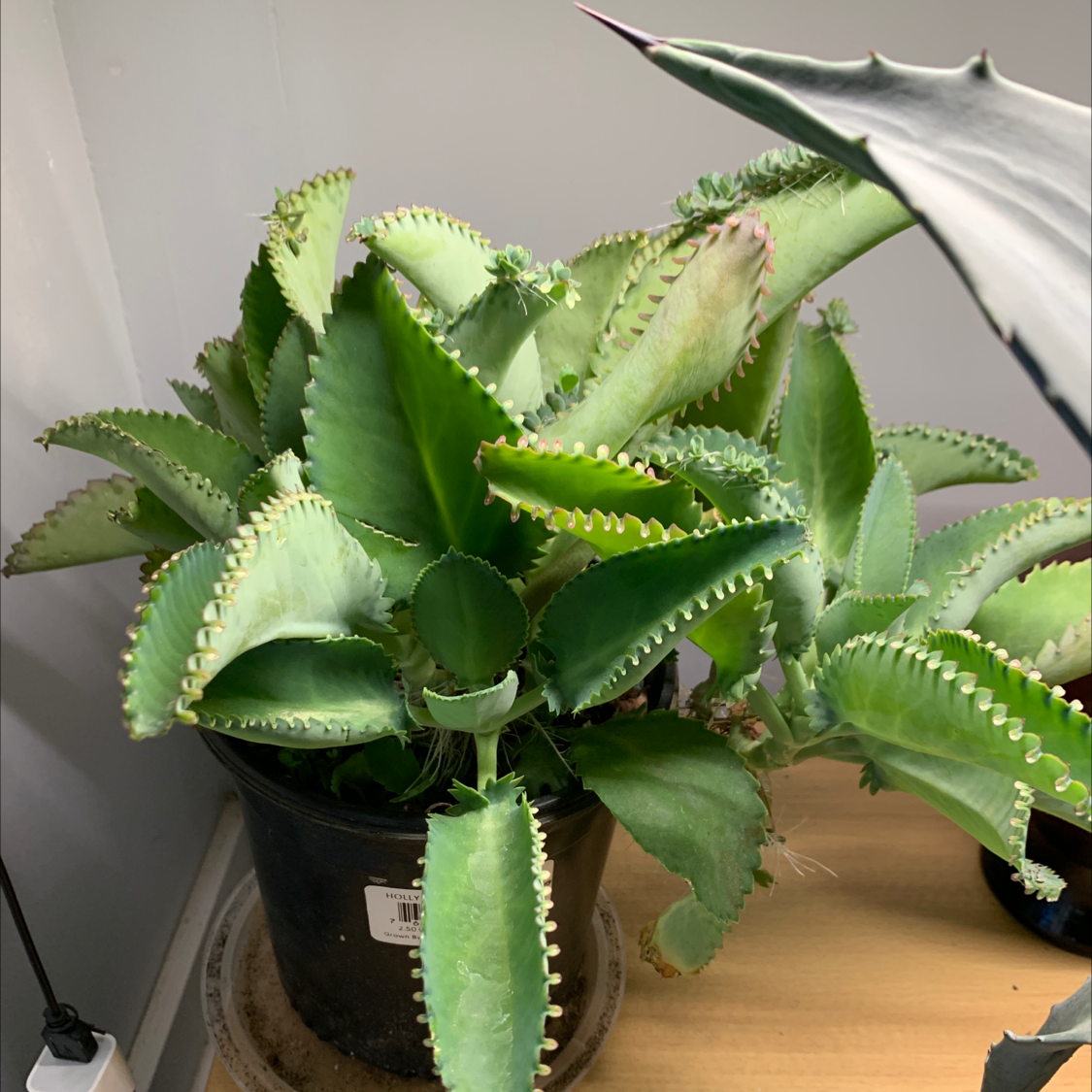
Propagating Mother Of Thousands: The Ultimate Guide
Kalanchoe daigremontiana
By the Greg Editorial Team
Jun 08, 2024•8 min read
This article was created with the help of AI so we can cover more plants for you. May contain errors. See one? Report it here.
Propagate your Mother of Thousands 🌱 effortlessly with this guide, and watch your green haven flourish! 🌿
- 🌱 Spring is ideal for propagation; plantlets offer the quickest method.
- 🌞💦 Bright, indirect light and moist soil are crucial for success.
- 🧼 Sterilize tools and pots to prevent disease, ensuring plant health.
Propagation Timeline and Best Time
🌱 When to Start
Spring is the prime time for propagating Mother of Thousands. This season aligns with the plant's natural growth spurt, giving your plantlets a head start.
📅 Timeline for Plantlet Propagation
Week 1: Detachment and Soil Prep
Detach the plantlets gently from the mother's leaf edges. Prepare a tray with cacti or succulent potting mix.
Week 2-3: Rooting
Place the plantlets on the soil, ensuring they're not buried. Cover with plastic to retain moisture and place in bright, indirect light.
Week 4-6: Initial Growth
Once roots establish, remove the plastic cover. Continue to keep the soil slightly moist and watch for new growth.
🕰️ Timeline for Leaf Cutting Propagation
Week 1: Cutting and Callousing
Cut a healthy leaf and let it callous over for a few days.
Week 2-4: Rooting
Place on moist soil and wait for roots to develop. Mist soil when dry but avoid the leaf itself.
Week 5-7: New Plantlets
Small plantlets should emerge from the base of the leaf.
⏳ Timeline for Propagation from Offsets
Week 1: Separation
Carefully separate offsets from the base of the mother plant.
Week 2-4: Root Development
Plant offsets in individual pots and keep the soil moist until roots form.
Key Takeaways
- Spring is the best time to propagate.
- Plantlets are the quickest method.
- Leaf cuttings and offsets take a bit longer but are equally rewarding.
- Patience is key; don't rush the process.
Propagation Methods
🌱 Propagation from Plantlets
Plantlets are Mother of Thousands' claim to fame. Here's the lowdown on turning these tiny tots into full-grown plants:
- Detach the plantlets by gently brushing the leaf edges. No tugging—if they're stubborn, they're not ready.
- Prep a shallow pot with succulent mix. No need to pack down the plantlets; just lay them root-side down.
- Bright, indirect light is their jam. Think east-facing window or a cozy spot under a grow light.
- Cover them with a light plastic dome to create a mini greenhouse effect.
- Moist soil is key, but don't drown them—no misting the plantlets directly.
- Re-pot once they've got their roots in a groove. They'll be ready for their own digs.
🍃 Leaf Cutting Propagation
Leaf cuttings? Sure, it's a bit unorthodox for this plant, but let's not gatekeep propagation:
- Snip a healthy leaf, let the cut end callous over for a day or two.
- Stick it in some well-draining soil.
- Patience is a virtue—it'll take time for new plantlets to show up at the party.
🌿 Propagation from Offsets
Offsets are like mini-me's popping up at the base of the mother plant. Here's how to give them a life of their own:
- Unearth the parent plant and find the offsets.
- Separate them gently—no need for a samurai sword, just a careful hand or a clean knife.
- Pot them in their own containers with fresh soil.
- Water them in to settle their new home.
Remember, propagation is not a race. It's more like a craft beer—best enjoyed slowly, with appreciation for the nuances. Keep it light, keep it fun, and watch your garden of thousands flourish.
Potting and Repotting
🌱 Choosing the Right Pot
Selecting the right pot is more than a style choice; it's a survival kit for your plantlets. Go for pots with drainage holes to prevent waterlogged soil and the dreaded root rot. Size matters too; start with a pot that's snug but not tight—think cozy studio apartment, not a shoebox.
🌷 The Repotting Process
When it's time to upgrade their living quarters, do it in the spring—plants are hitting their growth spurt then. Sterilize your tools with a 10% bleach solution or rubbing alcohol to avoid passing on any plant pathogens, like giving a flu shot to your green friends.
🌿 Soil Selection
A good potting mix is like a gourmet meal for your plants. Skip the garden soil; it's a no-go for indoor planters. Instead, opt for a well-draining mix that's light and fluffy, like the perfect pillow for roots to lay their head.
🧼 Hygiene is Key
Keep it clean, folks. Wash your hands before and after repotting, and give the new pot a good scrub. It's like the plant version of brushing your teeth—preventative care goes a long way.
💧 Aftercare
Once settled in their new home, don't water them immediately. Give them a few days to acclimate; then, introduce water slowly. It's like getting into a hot bath—one toe at a time.
📏 Growth Monitoring
Keep an eye on your plant's growth. When they start looking like a teenager in a growth spurt, all limbs and awkwardness, it's time to consider the next repot.
Remember, the goal is to create a nurturing environment that feels like a plant spa, not a plant prison.
Environmental Conditions for Successful Propagation
Creating the perfect environment for propagating Mother of Thousands is like setting up a backstage VIP area—only the best conditions for your plantlets to thrive.
🌡️ Temperature: The Sweet Spot
73-77º F is the ideal medium temperature for your little green offspring. If you're not using bottom heat, crank up the air temp to a cozy 77-80º F. Think of it as a warm blanket for your plant's roots.
💦 Humidity: Keep it Muggy
Aim for a relative humidity of at least 85%. If you're not living in a tropical paradise, fake it with a misting system or a simple plastic cover. It's like creating a mini rainforest on your windowsill.
☀️ Light: Bright but Shady
Bright, indirect light is your friend here. Direct sunlight is the enemy—scorching is a real threat. An east-facing window or a grow light can be your plantlets' personal sun without the burn.
💧 Moisture: Not Too Wet, Not Too Dry
Keep the soil moist, but not waterlogged. Overwatering is the plant equivalent of drowning in a puddle—it's just sad. Check the soil every few days, and let it tell you when it's thirsty.
💨 Air Circulation: Breathe Easy
Good air flow is key. Stagnant air is to plantlets what a stuffy room is to us after a garlic-heavy dinner—unpleasant. A gentle fan can work wonders.
Remember, these conditions aren't just guidelines; they're the non-negotiable terms of your plantlets' rider. Get it right, and they'll be ready to rock their own pots in no time.
Care and Maintenance of Propagated Plants
💧 Watering
Water sparingly. Young Mother of Thousands require a delicate balance—too much water leads to root rot, too little stunts growth. Check the soil every several days; it should be slightly moist. Use a light mist around the plantlets, avoiding direct contact.
🌞 Light Requirements
Bright, indirect light is your goal. Position the young plants in an easterly-facing window or under a grow light. Direct sunlight is a no-go—it's the fast track to crispy, unhappy plantlets.
🍽️ Fertilization
Hold off on the fertilizer for the first few months. Once the plants establish a robust root system and show new leaf growth, a gentle liquid fertilizer every 6-8 weeks during the growing season will do the trick.
Benefits of Propagation
Propagating Mother of Thousands is not just about multiplying your green friends. It's a cost-effective way to expand your plant collection and can be incredibly rewarding. Plus, it's a great party trick to show your plant-curious friends.
🛡️ Safety Precautions
Remember, all parts of Mother of Thousands contain toxic compounds. Keep them out of reach of children and pets to prevent any accidental nibbling.
Final Tips
As your plantlets grow, they'll need more space. Be ready to repot, but always prioritize sterilization to prevent disease spread. And don't forget, these plants are more than just decor; they're living beings that thrive with the right care and a bit of plant-parent love.
Troubleshooting Common Problems
🌱 Root Rot: Spotting and Solving
Root rot is a notorious killer in the plant world, and Mother of Thousands is not immune. Check the roots: healthy ones are firm and white, while rotten ones are mushy and brown. Caught early, you can trim the bad roots and repot in fresh, well-draining soil. If it's a goner, take it as a tough-love lesson in watering restraint.
💧 Overwatering: Prevention is Key
Overwatering is like a bad habit—easy to start, hard to break. Monitor soil moisture and water only when the top inch feels dry. Remember, these succulent kin prefer a drought over a flood. If you're heavy-handed with the watering can, it might be time for an intervention.
🐜 Pest Management: Keep the Critters at Bay
Pests are the uninvited guests at your plant party. Isolate any infested newcomers and give your plants regular check-ups. Spot some freeloaders? Wipe them off with a damp cloth or send them packing with a neem oil eviction notice. Stay vigilant; pests love a plant that's down on its luck.
✂️ The Art of Cutting: Sharp Tools, Healthy Plants
When propagating, use sharp shears for clean cuts. It's like surgery—you want precision to avoid stressing the plant. Dull tools can cause damage that's a magnet for pests and diseases. Keep it clean, keep it sharp, and your plants will thank you.
🌿 Environmental Stress: Keep Calm and Carry On
Yellowing leaves? Could be too much love (water) or not enough. Brown, crispy edges? Your plant might be thirstier than you thought. Adjust your care routine and watch for improvement. It's all about finding that sweet spot where your plants thrive.
🦠 Disease Dilemma: A Stitch in Time
Diseases can sneak in, so inspect regularly. If you spot trouble, don't panic—act swiftly with the appropriate fungicide or bactericide. And always propagate from healthy plants to avoid passing on any unwanted inheritance.
⚠️ Safety First
This content is for general information and may contain errors, omissions, or outdated details. It is not medical, veterinary advice, or an endorsement of therapeutic claims.
Always consult a qualified healthcare professional before using any plant as food, medicine, or supplement.
Never eat any plant (or feed one to pets) without confirming its identity with at least two trusted sources.
If you suspect poisoning, call Poison Control (800) 222-1222, the Pet Poison Helpline (800) 213-6680, or your local emergency service immediately.
Spotted an error? Please report it here.