Plant Care
›
Propagation
›
Southern Live Oak
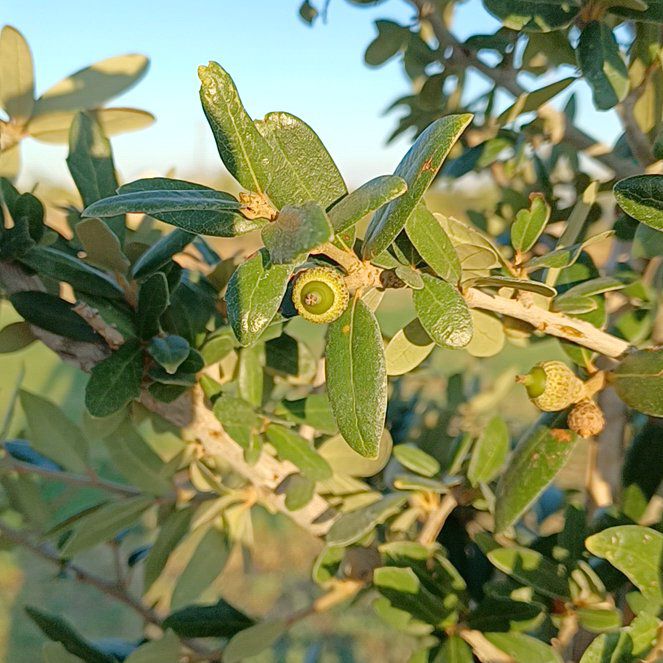
Quercus virginiana
Reviewed by Kiersten Rankel M.S.
QUICK ANSWER
Acorn sowing is the standard home method and produces a sprouted seedling in 4 to 8 weeks from a fresh fall acorn. Air layering takes 4 to 6 months but lets you clone a known parent tree, which acorn grown trees do not preserve.
Live oak does not divide and does not root from cuttings reliably, so acorns and air layering are the only viable home methods.
Live oak does not divide and does not root from cuttings reliably, so acorns and air layering are the only viable home methods.
Stay on top of plant care
Get seasonal reminders for watering and fertilizing, personalized for your plants.
Try Greg Free
Pick your method
Tap one to jump to the walkthrough.
From acorn
Best for the standard home method
Air layering
Best for cloning a known parent tree
From acorn
Time
4–8 weeks
Level
Beginner
Success rate
High
You'll need
Fresh fall acorns (just dropped)
Bowl of water for the float test
Deep tree pots or root trainers (at least 10 inches deep)
Standard potting mix
Wire mesh or hardware cloth (to keep squirrels out)
1
Collect fresh acorns
Gather acorns from beneath a healthy tree in October or November as soon as they drop. Pick acorns with intact caps still attached and skip any with holes from weevils. Live oak acorns lose viability fast, so plant within a few weeks of collection.
2
Float test for viability
Drop the acorns into a bowl of water. Acorns that sink are viable and have a healthy embryo. Floaters are empty or weevil damaged and should be discarded.
Expect about 60 to 80 percent of fresh acorns to sink.
Expect about 60 to 80 percent of fresh acorns to sink.
3
Sow in deep pots
Live oak develops a long taproot fast, which is why deep pots matter from day one. Fill tree pots with standard potting mix. Push each acorn one inch deep on its side and cover with soil. Water until it drains.
4
Protect from squirrels
Cover the tops of the pots with wire mesh or hardware cloth and weight it down with stones. Squirrels dig up acorns within hours of sowing if left exposed. The mesh stays on until seedlings push through.
5
Set outdoors in part shade
Place pots in a sheltered spot outdoors. Live oak acorns germinate in cool fall weather and do not need indoor warmth. Keep the soil consistently moist but not soggy.
6
Watch for sprouts
Germination takes 4 to 8 weeks, with most acorns pushing roots downward before any green appears above ground. Once the seedling pokes through, remove the mesh and let the seedling grow on in dappled shade for the first season before moving to sun.
WATCH FOR
Acorns that sit for months without sprouting and the soil turns sour. Wet soil with no germination usually means the acorn rotted or was empty to begin with. Dig one up to check. Soft mushy acorns should be tossed and the pots replanted with fresh seed.
Air layering
Time
4–6 months
Level
Advanced
Success rate
Low
You'll need
Sharp knife or grafting blade
Rooting hormone with IBA (required)
Damp sphagnum moss (large handful)
Clear plastic wrap
Electrical tape or twist ties
1
Pick a young branch
Choose a pencil thick to thumb thick branch on a young tree, ideally under 10 years old. Older live oaks rarely root from air layers. Late spring is the best window so warm summer weather drives root growth. Pick a branch you can reach safely.
2
Make a girdling cut
About a foot from the branch tip, score the bark in two parallel rings half an inch apart. Strip the bark off cleanly between the rings down to the woody core. The girdle interrupts sugar flow and forces the branch to push roots above the cut.
3
Apply rooting hormone
Dust IBA rooting powder onto the exposed wood at the upper edge of the girdle. Live oak roots reluctantly so use a high strength powder formulated for woody plants. Hormone is not optional here.
4
Wrap with damp moss
Soak a handful of sphagnum moss until it holds shape without dripping. Pack the moss around the girdled section in a ball about the size of a baseball.
The moss must stay damp the whole time but never soggy.
The moss must stay damp the whole time but never soggy.
5
Wrap and seal
Cover the moss completely with clear plastic wrap. Twist the ends and secure with electrical tape so no air escapes. Clear wrap lets you see roots without unwrapping. Check monthly for white roots inside the moss.
6
Sever and pot up
Once white roots fill the moss ball, usually 4 to 6 months later, cut the branch off just below the moss. Unwrap the plastic gently and pot the rooted branch into a deep 5 gallon container with sandy mix. Keep in shade for a month before moving to sun. Expect a success rate around 20 to 30 percent.
WATCH FOR
The moss dries out and the branch above the girdle wilts. Without consistent moisture inside the wrap, roots cannot form. Use a syringe to inject water through the plastic every two weeks during dry spells. Replace the wrap if condensation never appears inside.
Stay on top of plant care
Get seasonal reminders for watering and fertilizing, personalized for your plants.
Try Greg Free
About This Article

Kiersten Rankel M.S.
Botanical Data Lead at Greg · Plant Scientist
Editorial Process
Propagation methods verified against Quercus virginiana growth data from Greg's botanical database, cross-referenced with USDA hardiness zone data and published horticultural research.
223+ Greg users growing this plant
USDA hardiness zones 7a–10b