Plant Care
›
Propagation
›
Dawn Redwood
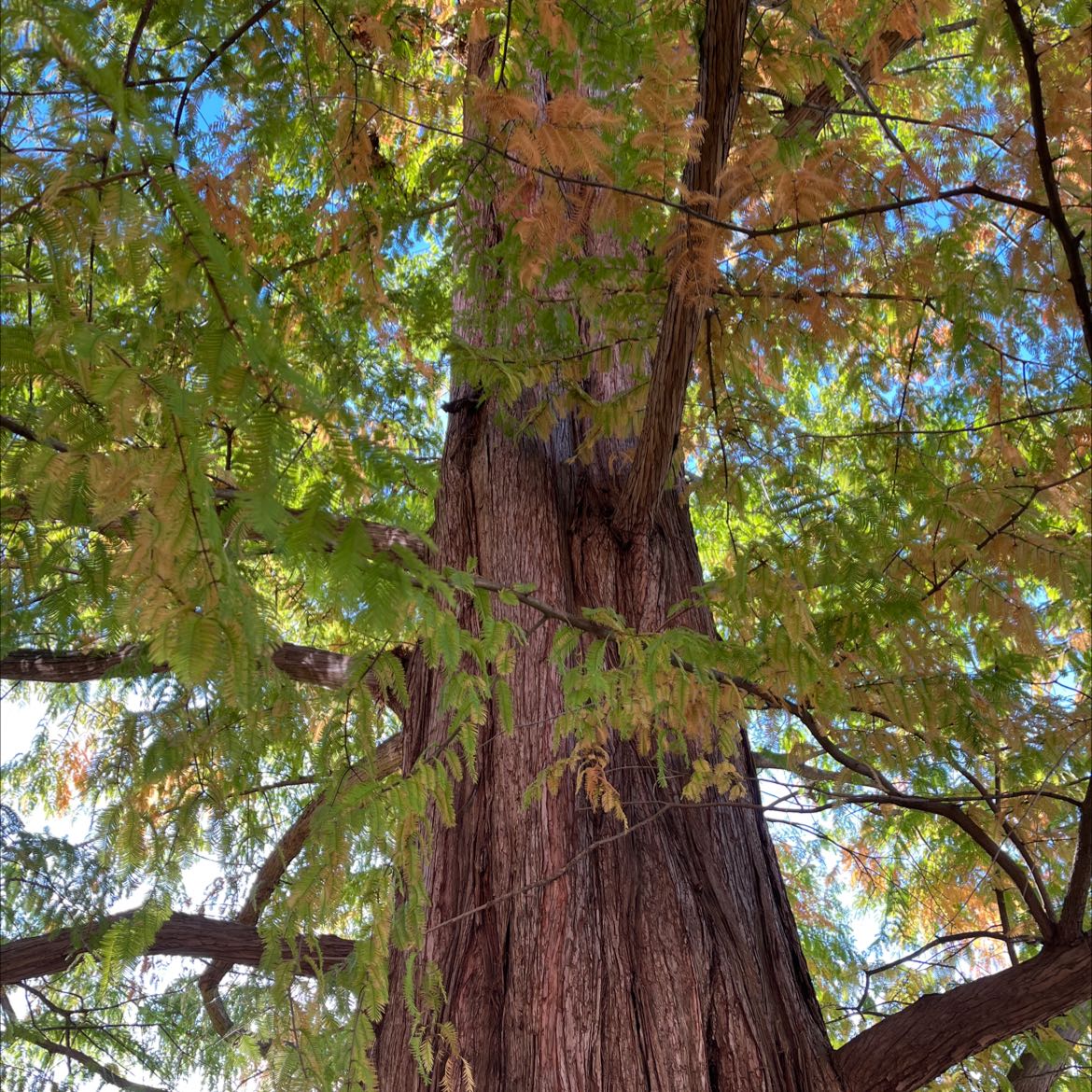
Metasequoia glyptostroboides
Reviewed by Kiersten Rankel M.S.
QUICK ANSWER
Softwood cuttings taken in early summer root in 4 to 8 weeks and are the fastest path to a true-to-parent young tree. Hardwood cuttings taken in late winter root over 8 to 12 weeks and produce sturdy plants ready to plant out the following autumn. Seed sowing germinates after 30 to 60 days of cold stratification but seedlings vary in form and color, so most growers stick with cuttings.
Stay on top of plant care
Get seasonal reminders for watering and fertilizing, personalized for your plants.
Try Greg Free
Pick your method
Tap one to jump to the walkthrough.
Softwood cuttings
Best in early summer for fast rooting and clone-true growth
Hardwood cuttings
Best in winter when you have lots of dormant wood to work with
From seed
Best for raising many seedlings from a single cone harvest
Softwood cuttings
Time
4–8 weeks
Level
Beginner
Success rate
High
You'll need
6 to 8 inch softwood cuttings from current-year growth
Sterile pruning shears
Rooting hormone (IBA 0.1 to 0.3 percent)
4-inch pots with 50/50 perlite and peat
Clear humidity dome
Bright shade, 70 to 80 degrees F
1
Take cuttings in early summer
Cut 6 to 8 inch shoots from this year's growth that bend without snapping. Take cuttings in the morning while the tree is fully turgid. Make a clean cut just below a node with sterile shears.
Unlike most conifers, dawn redwood roots remarkably easily from softwood.
Unlike most conifers, dawn redwood roots remarkably easily from softwood.
2
Strip the lower foliage
Pull off the soft feathery leaves from the bottom 2 to 3 inches of each cutting. The bare zone is where roots form. Keep the top third of the cutting fully leafy.
3
Dip in rooting hormone
Tap the cut end into IBA 0.1 to 0.3 percent powder and shake off excess. Hormone roughly doubles the take rate but cuttings still root without it.
4
Insert into rooting mix
Push cuttings 2 inches deep into a 50/50 perlite and peat mix. Firm the mix so each cutting stays upright. Space cuttings 2 inches apart in shared trays.
5
Cover and place in bright shade
Set the tray under a clear dome in bright filtered light, never direct sun. Mist the inside of the dome each morning so condensation forms.
Vent for 10 minutes every other day to prevent mold.
Vent for 10 minutes every other day to prevent mold.
6
Pot up at week 6
Tug gently. Resistance means roots have formed. Move rooted cuttings to 1-gallon pots with regular potting mix and harden off over 2 weeks before planting out.
WATCH FOR
Cuttings that drop their feathery leaves within the first 10 days. Some leaf drop is normal as the cutting redirects energy to roots, but heavy drop with browning along the stem signals desiccation. Mist more often, vent the dome less, and trim any browned tissue back to clean wood.
Hardwood cuttings
Time
8–12 weeks
Level
Beginner
Success rate
High
You'll need
10 to 12 inch hardwood cuttings of pencil thickness
Sterile pruning shears
Rooting hormone (recommended)
Prepared trench in well-drained garden soil OR 1-gallon pots with sandy mix
Mulch
Plant labels
1
Cut in late winter
After leaves drop in late autumn or early winter, take 10 to 12 inch sections from the previous year's wood. Choose pencil-thick stems with multiple buds. Cut flat just below a bud at the base and angled at the top.
2
Treat with hormone
Dip the bottom end in rooting hormone and shake off excess. Hardwood cuttings benefit more from hormone than softwood since the wood is harder to wake up.
Skip hormone only if you have a lot of cuttings and don't mind a lower take rate.
Skip hormone only if you have a lot of cuttings and don't mind a lower take rate.
3
Stick deep in soil or pots
Push cuttings two-thirds of their length into a prepared trench in well-drained soil or into 1-gallon pots with sandy mix. Only 3 to 4 inches should be visible above ground.
Space cuttings 6 inches apart in trenches.
Space cuttings 6 inches apart in trenches.
4
Mulch and overwinter
Top with 2 inches of mulch to prevent freeze-thaw heaving. Water once and ignore until spring. Cuttings need cold to break dormancy and roots form just before bud break.
5
Watch for spring leafing
By midspring, rooted cuttings will leaf out and put on growth. Cuttings that fail to leaf by late spring did not root and can be pulled.
6
Lift the next autumn
By autumn, rooted cuttings will be 12 inches or taller. Lift carefully with a fork and transplant to permanent spots or larger pots.
WATCH FOR
Cuttings that leaf out in spring but never put on growth and die back by midsummer. That is a cutting that pushed leaves on stored energy without forming roots. The cause is usually warm dry soil that broke dormancy too early. For next year, plant in a north-facing or shaded spot and mulch heavily.
From seed
Time
12–18 months
Level
Intermediate
Success rate
Moderate
You'll need
Fresh dawn redwood cones or cleaned seed
Damp sand or vermiculite
Sealable plastic bag
Refrigerator at 34 to 40 degrees F
Seed-starting tray
Sandy seed-starting mix
1
Source fresh seed
Collect ripe cones in autumn once they turn brown but before they shatter. Dry indoors for 1 to 2 weeks until seeds release naturally.
Dawn redwood seed has a low fill rate, with many cones containing mostly empty seeds. Buy from a reputable supplier if collecting your own seems unreliable.
Dawn redwood seed has a low fill rate, with many cones containing mostly empty seeds. Buy from a reputable supplier if collecting your own seems unreliable.
2
Cold stratify for 30 to 60 days
Mix seeds with damp sand or vermiculite in a sealed bag and place in the refrigerator. Check weekly and re-moisten if the medium dries out.
This chilling breaks the seed's dormancy and dramatically improves germination.
This chilling breaks the seed's dormancy and dramatically improves germination.
3
Surface sow
Sprinkle stratified seeds onto damp seed-starting mix and cover with just a quarter inch of mix. Dawn redwood seedlings emerge fastest with light at the surface.
4
Keep moist and warm
Cover the tray with a clear dome and place at 65 to 75 degrees F in bright indirect light. Mist daily so the surface never dries.
Germination starts in 2 to 4 weeks once stratification is complete.
Germination starts in 2 to 4 weeks once stratification is complete.
5
Pot up at 4 true leaves
Once seedlings have 4 true leaves, move to 4-inch pots with sandy potting mix. Move outside to dappled shade and water when the surface dries.
Protect from full afternoon sun the first season.
Protect from full afternoon sun the first season.
6
Transplant in the second autumn
By month 12 to 18 the seedling will be 6 to 12 inches tall. Move to its permanent spot in early autumn so roots settle before winter. Dawn redwood grows fast once established.
WATCH FOR
Seedlings that flop over with a dark pinched spot at soil level. That is damping off from too-wet, stagnant conditions. Increase airflow by venting the dome more often, water from below, and discard affected seedlings to stop the spread. Bottom watering and sterile mix are the best prevention.
Stay on top of plant care
Get seasonal reminders for watering and fertilizing, personalized for your plants.
Try Greg Free
About This Article

Kiersten Rankel M.S.
Botanical Data Lead at Greg · Plant Scientist
Editorial Process
Propagation methods verified against Metasequoia glyptostroboides growth data from Greg's botanical database, cross-referenced with USDA hardiness zone data and published horticultural research.
106+ Greg users growing this plant
USDA hardiness zones 4a–8b