Plant Care
›
Propagation
›
Cherry Plum
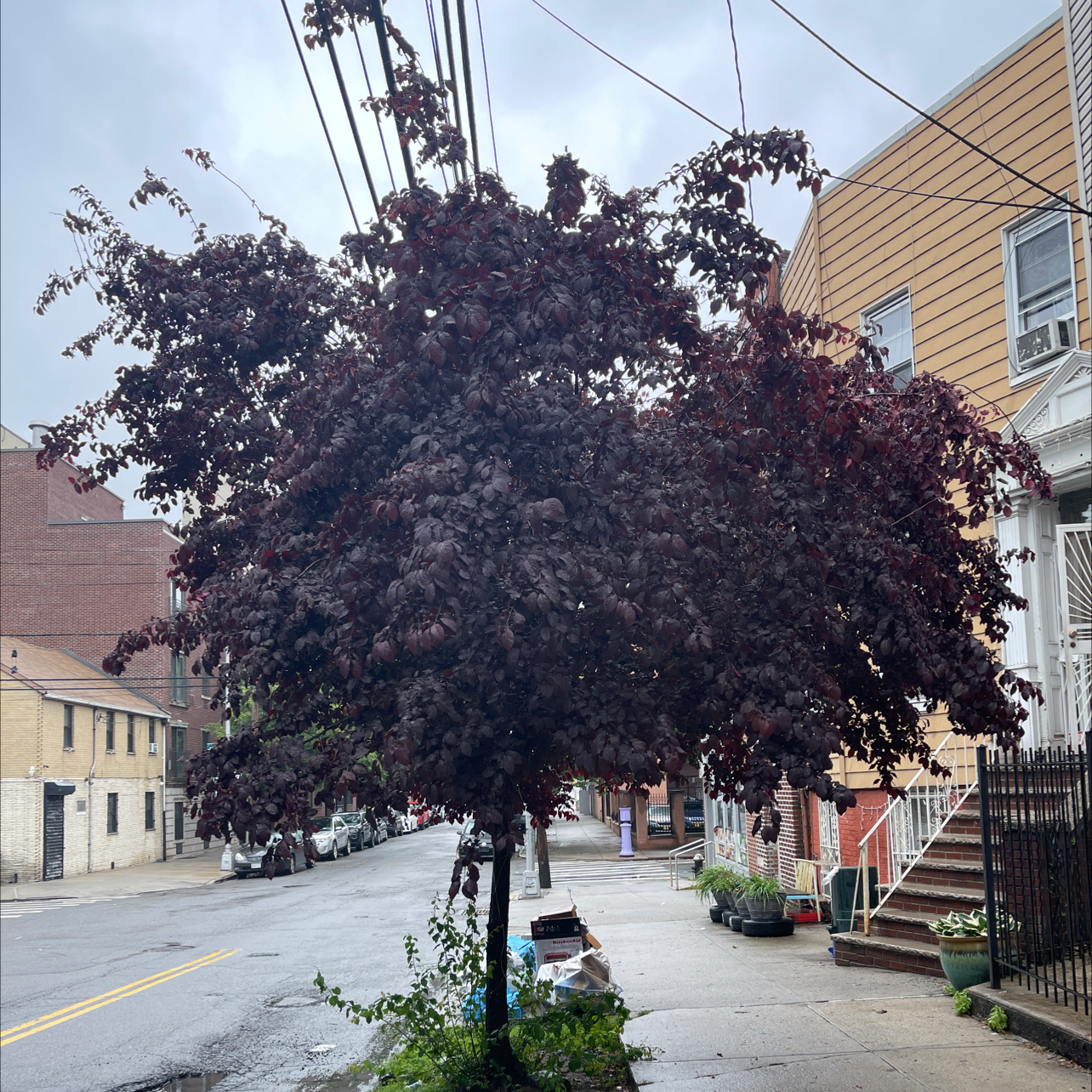
Prunus cerasifera
Reviewed by Kiersten Rankel M.S.
QUICK ANSWER
Suckers from the base of a mature tree are the fastest method and produce a planted division in 1 to 2 weeks of recovery time. Softwood cuttings taken in late spring root in 6 to 10 weeks under high humidity.
Hardwood cuttings taken in winter root over 4 to 6 months with simple equipment. Seed propagation works well after 3 to 4 months of cold stratification but produces variable seedlings that may not match the parent tree, especially for purple-leaf cultivars.
Hardwood cuttings taken in winter root over 4 to 6 months with simple equipment. Seed propagation works well after 3 to 4 months of cold stratification but produces variable seedlings that may not match the parent tree, especially for purple-leaf cultivars.
Stay on top of plant care
Get seasonal reminders for watering and fertilizing, personalized for your plants.
Try Greg Free
Pick your method
Tap one to jump to the walkthrough.
Sucker separation
Best when the parent tree has produced root suckers nearby
Softwood cuttings
Best in late spring while new growth is still flexible
Hardwood cuttings
Best for using winter pruning material with simple gear
From seed
Best for growing many trees or rootstock from a fruit harvest
Sucker separation
Time
1–2 weeks to recover
Level
Beginner
Success rate
High
You'll need
Mature parent tree with active suckers
Sharp spade or sturdy garden knife
Sterile pruning shears
Compost-amended soil at the new spot
Watering can
1
Find a young sucker in early spring
Cherry plum trees often send up vertical shoots from the surface roots, especially around the trunk drip line. Look for a sucker 6 to 18 inches tall with healthy leaves and a firm green stem. Dig down a few inches with a hand trowel to confirm it has its own root system rather than just sprouting from the parent's main root.
2
Sever from the parent root
Use a sharp spade to cut the connecting root cleanly between the parent and the sucker, severing about 6 inches out from the base of the sucker. Then dig a 12-inch trench around the sucker and lift it out with as much of its own root mass as you can keep intact.
3
Trim damaged ends
Snip off any frayed root ends with sterile shears. Leave the rest of the root system whole. Trim the top of the sucker back by a third to balance the smaller root mass with the leafy shoot.
Suckers carry their own root system, but they have always relied on the parent for water. Reducing top growth keeps the new transplant from wilting in its first weeks.
Suckers carry their own root system, but they have always relied on the parent for water. Reducing top growth keeps the new transplant from wilting in its first weeks.
4
Plant immediately at the same depth
Dig a hole at the new location, set the sucker in at the same depth it was growing before, backfill with compost-amended soil, and water deeply. Mulch lightly around the base, keeping mulch a few inches from the trunk.
5
Water deeply once a week for 6 weeks
Cherry plum suckers establish quickly but need consistent water through the first 6 weeks. After that, taper off and treat as a young tree. Note that suckers from grafted purple-leaf cultivars usually grow back as the green-leaved rootstock species, not the purple parent.
WATCH FOR
Sucker wilting badly within 3 days of transplant. The plant lost too much root during digging or had no time to settle before hot weather. Move it back to a shaded spot if possible, mist the leaves daily, and trim another third off the top growth. Most suckers recover within a week if root contact with soil is good.
Softwood cuttings
Time
6–10 weeks
Level
Intermediate
Success rate
Moderate
You'll need
Sterile pruning shears
Rooting hormone
4-inch pots with drainage
Perlite and peat mix (50/50)
Clear humidity dome
Heat mat (optional)
1
Take cuttings in late May or early June
Cut from this year's new growth that is still flexible but no longer floppy at the tip. The bark should be green and thin. Avoid stems that have already hardened to brown wood, since they have moved past the softwood stage.
2
Cut 4 to 6 inch pieces
Use sterile shears and cut just below a leaf node. Strip leaves from the bottom two-thirds and shorten remaining large leaves by half. Keep cuttings in a damp paper towel while you work.
3
Dip in rooting hormone
Tap the cut end against the rooting powder and knock off the excess. Cherry plum cuttings root much better with hormone than without.
Use standard softwood-strength hormone rather than the heaviest hardwood concentrations, since strong powder can burn the tender stem.
Use standard softwood-strength hormone rather than the heaviest hardwood concentrations, since strong powder can burn the tender stem.
4
Insert into the rooting mix
Push each cutting 2 inches into a moist perlite and peat blend. Firm the medium so the cutting stands on its own. Space cuttings 2 inches apart in a tray.
5
Cover and warm gently
Tent a clear plastic dome over the pot, propped above the leaves. Place in bright indirect light at 70 to 75 degrees with a heat mat under the pot if your room runs cool.
Vent the dome daily for 10 minutes to refresh the air. The medium should feel like a wrung sponge, never soggy.
Vent the dome daily for 10 minutes to refresh the air. The medium should feel like a wrung sponge, never soggy.
6
Pot up at 6 to 10 weeks
Tug gently after 6 weeks. Resistance means roots have formed. Pot rooted cuttings into 4-inch containers of standard potting mix and acclimate slowly to lower humidity over 2 weeks.
WATCH FOR
Cuttings turning brown from the bottom up within 2 weeks. The wood was too soft, the medium too wet, or the dome too warm. Take fresh cuttings from slightly firmer wood, use a grittier mix, and move the dome out of any direct heat source.
Hardwood cuttings
Time
4–6 months
Level
Beginner
Success rate
Low
You'll need
Sterile pruning shears
Rooting hormone
Deep nursery pot or sheltered trench
Coarse sand or gritty mix
Mulch
1
Cut in late winter
Between December and February, cut pencil-thick pieces 8 to 12 inches long from last year's growth. The wood should be firm and brown-gray. Cut just below a node at the base and just above a node at the top so you remember which end is which.
2
Wound and treat the base
Slice a thin sliver of bark off one side at the bottom. Dip the wounded end in rooting hormone. Cherry plum hardwood cuttings have a moderate-to-low natural rooting rate, so the wound and hormone are both important.
3
Insert two-thirds deep
Push each cutting into gritty mix or a sheltered trench, leaving only the top 2 to 3 inches with 1 or 2 buds above the surface. A spot near a wall protects from harsh wind.
4
Mulch and leave alone
Cover the surface with 2 inches of mulch. Water once if there is no rain for 2 weeks. Otherwise do not check on the cuttings, since shifting them disturbs early callus formation.
5
Check in spring
By April or May, look for swelling at the base and tiny white root tips. New leaves at the top alone do not mean the cutting has rooted, since buds can flush from stored energy.
A 30 to 50 percent success rate is typical for cherry plum hardwood. Plant more than you need.
A 30 to 50 percent success rate is typical for cherry plum hardwood. Plant more than you need.
6
Pot up successful cuttings
Once roots fill the bottom 2 inches, transplant into 6-inch pots of standard potting mix. Grow on in part shade through the first summer before moving to a permanent spot.
WATCH FOR
All cuttings looking dead by late spring with shriveled bark. The wood was too old or stored too dry. Try again next winter with fresh pencil-thick wood from a vigorous young branch, and either plant immediately or store in damp sand in a cool spot until you can plant.
From seed
Time
3–4 months stratification + 4–8 weeks germination
Level
Intermediate
Success rate
Moderate
You'll need
Fresh ripe cherry plum pits (current season)
Damp peat moss or sand
Sealed plastic bag
4-inch pots with drainage
Light potting mix
1
Collect and clean pits
Gather pits from ripe summer fruit, scrub off the pulp under running water, and let them dry for a day. Pits that are still slightly damp store better than pits that have dried out completely.
2
Cold stratify for 3 to 4 months
Mix cleaned pits into damp peat or sand, seal in a plastic bag, and refrigerate at 35 to 40 degrees. The cold chill breaks dormancy. Check every 2 weeks and add a few drops of water if the medium dries out.
Some pits sprout inside the bag near the end of stratification. Plant any sprouting pits right away rather than waiting for the rest.
Some pits sprout inside the bag near the end of stratification. Plant any sprouting pits right away rather than waiting for the rest.
3
Sow 1 inch deep in spring
Push each pit 1 inch deep into a 4-inch pot of light potting mix. Use one pit per pot, since young taproots resent transplanting. Water gently to settle the soil.
4
Keep at 60 to 70 degrees
Place pots in bright indirect light at moderate room temperature. Seedlings emerge in 4 to 8 weeks as a single green shoot with two heart-shaped seed leaves.
5
Feed and grow on
Once true leaves appear, feed with a half-strength balanced fertilizer every 2 weeks. Keep the soil evenly damp.
6
Transplant after one season
After a full growing season, move seedlings to 1-gallon pots or a permanent garden spot. Seed-grown trees vary in form, leaf color, and fruit. Purple-leaf cultivars rarely come true from seed, so expect mostly green-leaved offspring.
WATCH FOR
Pits sitting in soil for 2 months with no shoot emerging. Stratification was too short, too warm, or too dry. Lift one pit gently and check for a sprouting radicle. If unchanged, return the rest to the refrigerator in fresh damp peat for another 4 to 6 weeks before sowing again.
Stay on top of plant care
Get seasonal reminders for watering and fertilizing, personalized for your plants.
Try Greg Free
About This Article

Kiersten Rankel M.S.
Botanical Data Lead at Greg · Plant Scientist
Editorial Process
Propagation methods verified against Prunus cerasifera growth data from Greg's botanical database, cross-referenced with USDA hardiness zone data and published horticultural research.
429+ Greg users growing this plant
USDA hardiness zones 4a–8b