Plant Care
›
Propagation
›
Celandine Poppy
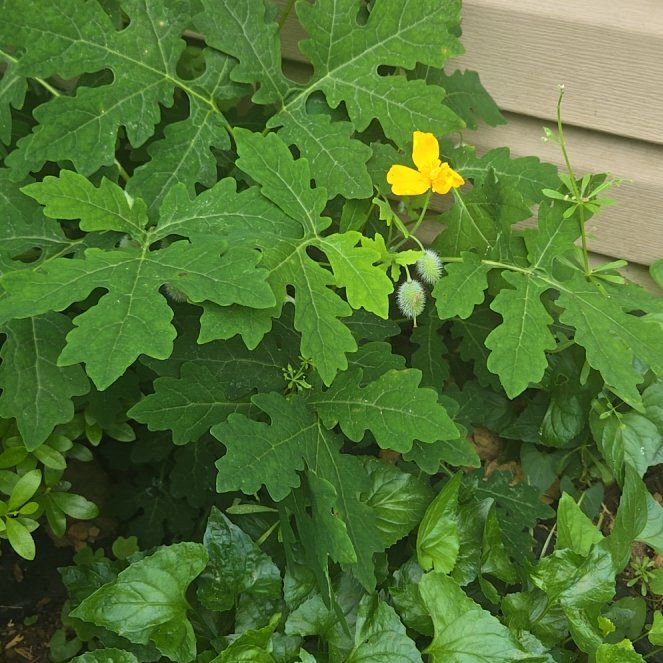
Stylophorum diphyllum
Reviewed by Kiersten Rankel M.S.
QUICK ANSWER
Fresh seed sown directly into the woodland garden the moment pods burst is the most reliable method and gives flowering plants in their second spring.
Division of a dormant clump in late summer roots in 2 to 3 weeks but only works on plants at least 3 years old.
Division of a dormant clump in late summer roots in 2 to 3 weeks but only works on plants at least 3 years old.
Stay on top of plant care
Get seasonal reminders for watering and fertilizing, personalized for your plants.
Try Greg Free
Pick your method
Tap one to jump to the walkthrough.
From seed
Best for naturalizing in a shaded woodland bed
Division
Best for moving a clump to a new shaded spot
From seed
Time
Sow fresh, germinate next spring
Level
Beginner
Success rate
High
You'll need
Pollinated plants ready to drop seed
Paper bags for collection
A shaded woodland bed prepared with leaf mold
Light mulch (shredded leaves)
A water can with a fine rose
1
Watch the pods daily in early summer
Celandine Poppy seed pods ripen in late May or early June. The fuzzy green pods turn pale yellow then split open suddenly. Once they split, the seed is gone within hours, scattered by wind and ants.
2
Bag the pods just before they open
Slip a paper bag over the pod cluster while still green-yellow but starting to soften. Tie the bag loosely around the stem with twine. The pods burst inside the bag and the seeds collect at the bottom.
3
Sow within 48 hours of collection
Celandine Poppy seed is recalcitrant. It loses viability within a week of drying out and never germinates if stored.
The only reliable approach is to sow within 2 days of collection. Clear a patch of woodland garden, sprinkle the seed across the surface, and press it lightly with the flat of your hand.
The only reliable approach is to sow within 2 days of collection. Clear a patch of woodland garden, sprinkle the seed across the surface, and press it lightly with the flat of your hand.
4
Cover with leaf mold
Sift a quarter inch of leaf mold or shredded leaves over the seed. Seed must contact the surface but stay dark and damp. Do not bury deeper than a quarter inch or germination drops sharply.
5
Water gently and forget about it
Water with a fine rose to settle the leaf mold. The seed needs all of summer, fall, and winter to break dormancy. Do not water again unless drought stretches more than a few weeks.
6
Watch for spring germination
Seedlings emerge the following March or April with two notched cotyledons. Thin to one seedling every 6 inches by lifting extras with a teaspoon. Plants flower in their second spring after sowing.
WATCH FOR
No germination the spring after sowing even though seed was sown fresh. The seedbed dried out completely during summer or the leaf mold blew away exposing the seed. Mark the bed clearly and treat the area as a permanent woodland planting. Seed that survives one summer and gets adequate winter moisture germinates the following spring on schedule.
Division
Time
2–3 weeks to root
Level
Intermediate
Success rate
Moderate
You'll need
Sharp spade
Sterile garden knife
Bucket of water
A shaded planting hole amended with leaf mold
Mulch (shredded leaves or pine bark fines)
1
Wait for late summer dormancy
Celandine Poppy goes dormant in July or August when summer heat shuts the foliage down. The roots are still alive but the plant is at rest. This is the only safe window to divide because spring division kills the plant outright.
2
Mark the clump before foliage disappears
Push a stake into the soil next to the clump while the leaves are still partly visible. Once the leaves wither completely, the clump becomes invisible against the soil and you will dig in the wrong place.
A labeled stake saves the whole operation.
A labeled stake saves the whole operation.
3
Lift the entire rootball
Dig a wide circle 6 inches out from the stake and 8 inches deep. Lift the rootball gently. The roots are brittle, fleshy, and orange-yellow when broken, similar to bloodroot. Handle with care.
4
Separate by hand
Wash the rootball in a bucket of water to expose the natural divisions. Each section needs at least one growing point and a handful of roots. Pull pieces apart by hand at the natural seams. Use a sterile knife only if hand separation does not work.
5
Replant immediately in shade
Each division should go straight into a shaded hole amended with leaf mold. Bury the growing point at the same depth it grew before, with the orange roots fanned out below. Backfill, firm, and water in deeply.
6
Mulch and water through fall
Cover the planting with 2 inches of shredded leaves or pine bark fines. Water once a week through fall whenever the top inch of soil is dry. New leaves push the following spring on the normal schedule if the divisions kept consistent moisture into winter.
WATCH FOR
No leaves appear the spring after dividing. Either the divisions had no growing point, or the soil dried out during fall, or the orange roots snapped during handling. Wait through the second spring before declaring the division a failure. Celandine Poppy occasionally skips a season after disturbance and pushes leaves the following year if a viable bud survived underground.
Stay on top of plant care
Get seasonal reminders for watering and fertilizing, personalized for your plants.
Try Greg Free
About This Article

Kiersten Rankel M.S.
Botanical Data Lead at Greg · Plant Scientist
Editorial Process
Propagation methods verified against Stylophorum diphyllum growth data from Greg's botanical database, cross-referenced with USDA hardiness zone data and published horticultural research.
22+ Greg users growing this plant
USDA hardiness zones 4a–9a