Plant Care
›
Propagation
›
Bay Laurel
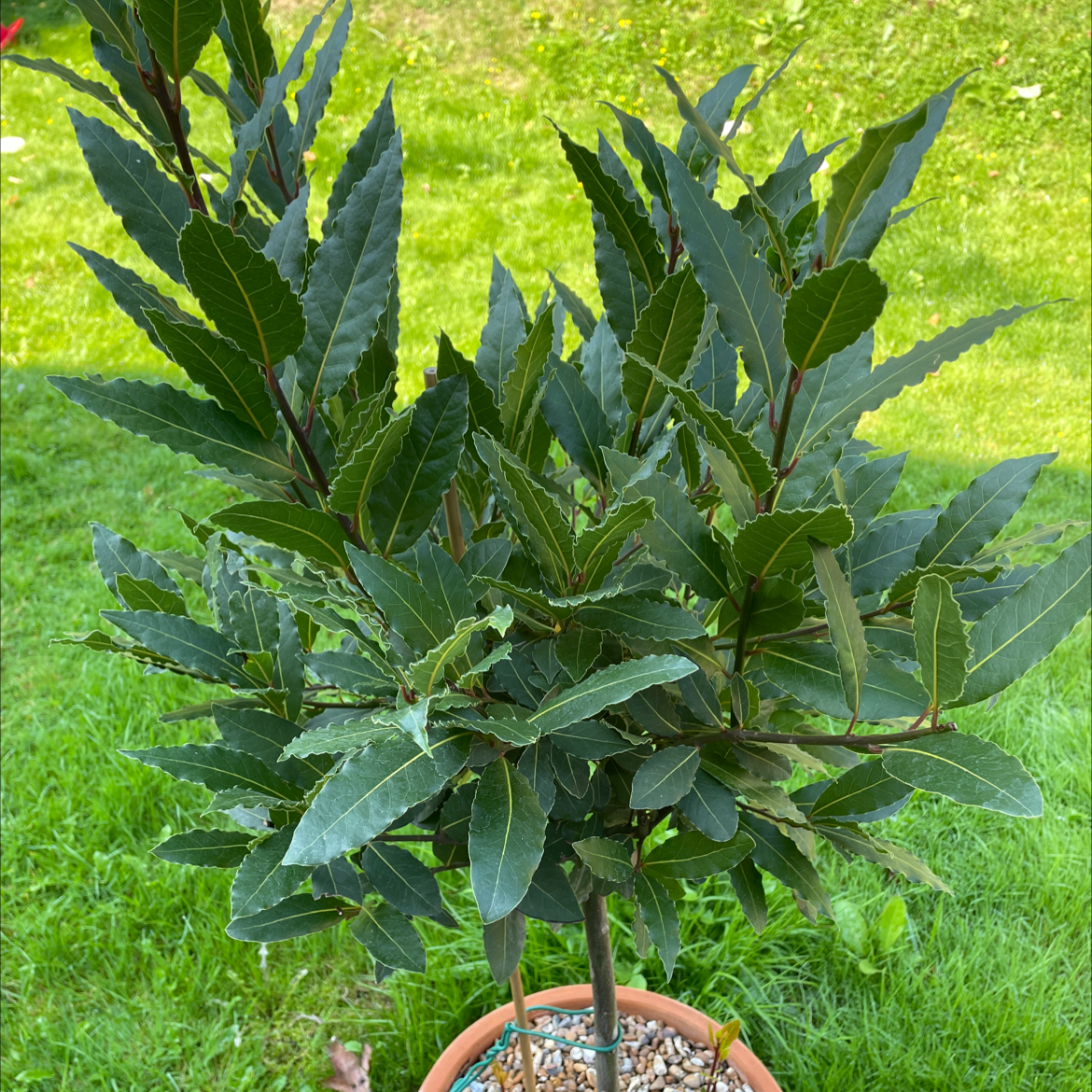
Laurus nobilis
Reviewed by Kiersten Rankel M.S.
QUICK ANSWER
Semi-hardwood cuttings taken in late summer are the most reliable home method and root over 2 to 3 months with bottom heat. Hardwood cuttings taken in winter are easier to handle but root slower at 4 to 6 months.
Ground layering of a low branch takes 8 to 12 months but works without any extra equipment. Seed propagation works only with fresh seed and takes 1 to 6 months to germinate, with very slow growth after.
Ground layering of a low branch takes 8 to 12 months but works without any extra equipment. Seed propagation works only with fresh seed and takes 1 to 6 months to germinate, with very slow growth after.
Stay on top of plant care
Get seasonal reminders for watering and fertilizing, personalized for your plants.
Try Greg Free
Pick your method
Tap one to jump to the walkthrough.
Semi-hardwood cuttings
Best in late summer when this year's growth has firmed up
Hardwood cuttings
Best for winter pruning material with no special equipment
Ground layering
Best when a low branch can reach the soil
From seed
Best for growing many plants from a fresh berry crop
Semi-hardwood cuttings
Time
8–12 weeks
Level
Intermediate
Success rate
Moderate
You'll need
Sterile pruning shears
Rooting hormone (recommended)
4-inch pots with drainage
Perlite and peat mix (50/50)
Clear plastic bag or humidity dome
Heat mat (optional but helpful)
1
Pick this year's firm growth
In August or early September, look for shoots that grew this year and have started to harden at the base. The tip should still be green and flexible while the bottom is woody and tan. Avoid soft floppy tips and old gray wood.
2
Cut a 4 to 6 inch piece
Cut just below a leaf node with sterile shears. Strip the bottom two-thirds of leaves and shorten any large remaining leaves by half to reduce moisture loss.
Bay leaves are leathery and lose water slowly, but a fresh cutting still wilts fast in dry air. Keep cuttings in a damp paper towel until you pot them.
Bay leaves are leathery and lose water slowly, but a fresh cutting still wilts fast in dry air. Keep cuttings in a damp paper towel until you pot them.
3
Dip in rooting hormone
Bay laurel roots reluctantly without hormone. Tap the cut end against rooting powder, then knock off the excess. A thin coating works better than a thick clump.
4
Insert into the perlite mix
Push each cutting 2 inches into the moistened perlite and peat blend. Firm the mix around the stem so the cutting stands on its own. Space cuttings 2 inches apart in a shared pot.
5
Cover and place on warmth
Tent a clear plastic bag over the pot, propped up with chopsticks so leaves do not touch the plastic. Set it on a heat mat at 70 to 75 degrees in bright indirect light, never direct sun.
Check the medium once a week. It should feel like a wrung-out sponge. Mist if the surface looks dry.
Check the medium once a week. It should feel like a wrung-out sponge. Mist if the surface looks dry.
6
Pot up at 8 to 12 weeks
Tug gently after 8 weeks. Resistance means roots have formed. Once roots reach 1 to 2 inches, move each cutting to a 4-inch pot of well-draining potting mix and grow on in bright indirect light for the first month.
WATCH FOR
Leaves dropping while the stem stays firm and green. The cutting is losing water faster than the cut end can absorb it. Mist the inside of the bag, lower the light intensity, and trim the remaining leaves smaller. A bare stem with a green core can still root if you act within a week.
Hardwood cuttings
Time
4–6 months
Level
Beginner
Success rate
Moderate
You'll need
Sterile pruning shears
Rooting hormone
Deep pot or trench in protected ground
Coarse sand or gritty soil mix
Mulch for outdoor cuttings
1
Take cuttings in late winter
Between December and February, cut pencil-thick pieces 6 to 8 inches long from last year's wood. The wood should be fully firm and gray-brown. Make the bottom cut just below a node and the top cut just above a node so you can tell which end is which.
2
Wound and dip the bottom end
Slice a thin sliver of bark off one side at the base, about half an inch long. This exposes the cambium and gives roots more surface to emerge from. Dip the wounded end in rooting hormone.
3
Insert two-thirds deep
Push each cutting into a deep pot of gritty mix or directly into a sheltered trench, leaving only the top 2 inches above the surface. Bay laurel hardwood cuttings root slowly and need stable conditions, so a protected spot near a wall works well.
4
Mulch and forget for 3 months
Cover the surface with 2 inches of mulch to keep the bottoms cool and moist. Water once during a dry winter week. Do not move the cuttings or check on them, since shifting disturbs new roots.
Hardwood cuttings live off stored energy in the wood. Patience is the main ingredient here.
Hardwood cuttings live off stored energy in the wood. Patience is the main ingredient here.
5
Check for callus and roots in spring
By April or May, look for swelling at the base and tiny white root nubs. Cuttings that have not callused by late spring usually fail. Remove any with black soft bases.
6
Pot up rooted cuttings
Once you see new green growth pushing from the top buds and roots fill the bottom, lift carefully and pot into a 6-inch container of standard potting mix. Grow on in part shade for the first summer.
WATCH FOR
No swelling at the base by late spring with the wood still gray and dry. The cutting has not formed callus and will not root. Pull it up and try again next winter with fresher wood from a vigorous mother plant. Old hardened wood from the interior of an old shrub roots much worse than wood from a young vigorous branch.
Ground layering
Time
8–12 months
Level
Beginner
Success rate
High
You'll need
Flexible low branch on the parent plant
Sharp knife
U-shaped landscape staple or wire
Compost-rich soil
Sterile pruning shears for separation
1
Find a low pliable branch
In spring, pick a branch that you can bend down to touch the soil without breaking. The section that meets the ground should be 1 to 2 years old, firm but still flexible.
2
Wound the underside
About 12 inches back from the tip, slice a small upward cut halfway through the branch on the underside. This wound is where roots will form. Twist the cut slightly to keep it from healing flat.
3
Pin to the soil and bury
Press the wounded section onto loose compost-rich soil and pin it down with a landscape staple or bent wire. Cover with 3 inches of soil, leaving the leafy tip sticking out.
Bay laurel roots from the branch where it contacts moist earth. Keeping the soil damp through summer is the only ongoing task.
Bay laurel roots from the branch where it contacts moist earth. Keeping the soil damp through summer is the only ongoing task.
4
Water through the first growing season
Keep the buried section evenly moist all summer. Add a layer of mulch on top to slow evaporation. The branch stays attached to the parent through this stage and gets all the water and food it needs from the mother plant.
5
Check for roots after one full year
The following spring, gently scrape away soil to look for white roots growing from the buried section. A strong layered branch will have a tangled root mass 4 to 6 inches across.
6
Sever and transplant
Cut the branch on the parent side of the new roots with sterile shears. Lift the rooted section with a generous root ball and plant in a prepared hole or large pot. Water deeply and shade for the first two weeks.
WATCH FOR
Soil pulled away from the branch after heavy rain or wind, leaving the wounded section exposed to air. Roots cannot form on a dry exposed cut. Re-cover with fresh soil, re-pin firmly, and add a heavier layer of mulch to anchor everything in place.
From seed
Time
1–6 months germination
Level
Intermediate
Success rate
Low
You'll need
Fresh ripe black bay berries (current season)
Bowl of warm water for soaking
Seed-starting mix
4-inch pots or seed tray
Plastic bag or humidity cover
1
Collect and clean fresh seed
Bay seed loses viability fast, so use berries from the current autumn harvest. Squeeze the dark fleshy pulp off the seed under running water. Discard any seeds that float, as they are usually empty.
2
Soak for 24 to 48 hours
Drop the cleaned seeds into a bowl of warm water and let them soak for 1 to 2 days, changing the water once. This softens the hard seed coat and speeds germination.
Bay seeds with a dry brittle coat can sit dormant for many months. Soaking shortens that lag dramatically.
Bay seeds with a dry brittle coat can sit dormant for many months. Soaking shortens that lag dramatically.
3
Sow half an inch deep
Push each seed half an inch into seed-starting mix in 4-inch pots. Water gently until the surface is evenly damp. Cover with plastic to hold humidity around the seed.
4
Keep at 65 to 70 degrees
Place pots in a warm spot with bright indirect light. Cooler temperatures stretch germination toward the 6-month end of the range. A heat mat helps but is not required.
5
Wait patiently and check weekly
Some seeds sprout in 4 to 6 weeks. Many take 3 to 6 months. Keep the mix lightly damp the whole time and resist throwing out a tray that looks empty.
Remove the cover as soon as the first seedlings appear so the others get airflow.
Remove the cover as soon as the first seedlings appear so the others get airflow.
6
Grow seedlings slowly
Bay seedlings put out one or two leaf pairs in their first year. Pot up to 4-inch containers when the second pair of true leaves appears. Expect a 3 to 4 year wait before plants reach kitchen-harvest size.
WATCH FOR
Seeds rotting and turning soft in the soaking water or in the sowing mix. The seed coat was damaged or the seed was never viable. Drain off old water during soaking, throw out any seeds that smell sour, and keep sowing mix damp but never soggy.
Stay on top of plant care
Get seasonal reminders for watering and fertilizing, personalized for your plants.
Try Greg Free
About This Article

Kiersten Rankel M.S.
Botanical Data Lead at Greg · Plant Scientist
Editorial Process
Propagation methods verified against Laurus nobilis growth data from Greg's botanical database, cross-referenced with USDA hardiness zone data and published horticultural research.
973+ Greg users growing this plant
USDA hardiness zones 8a–10b