Plant Care
›
Propagation
›
Baby Bunny Bellies
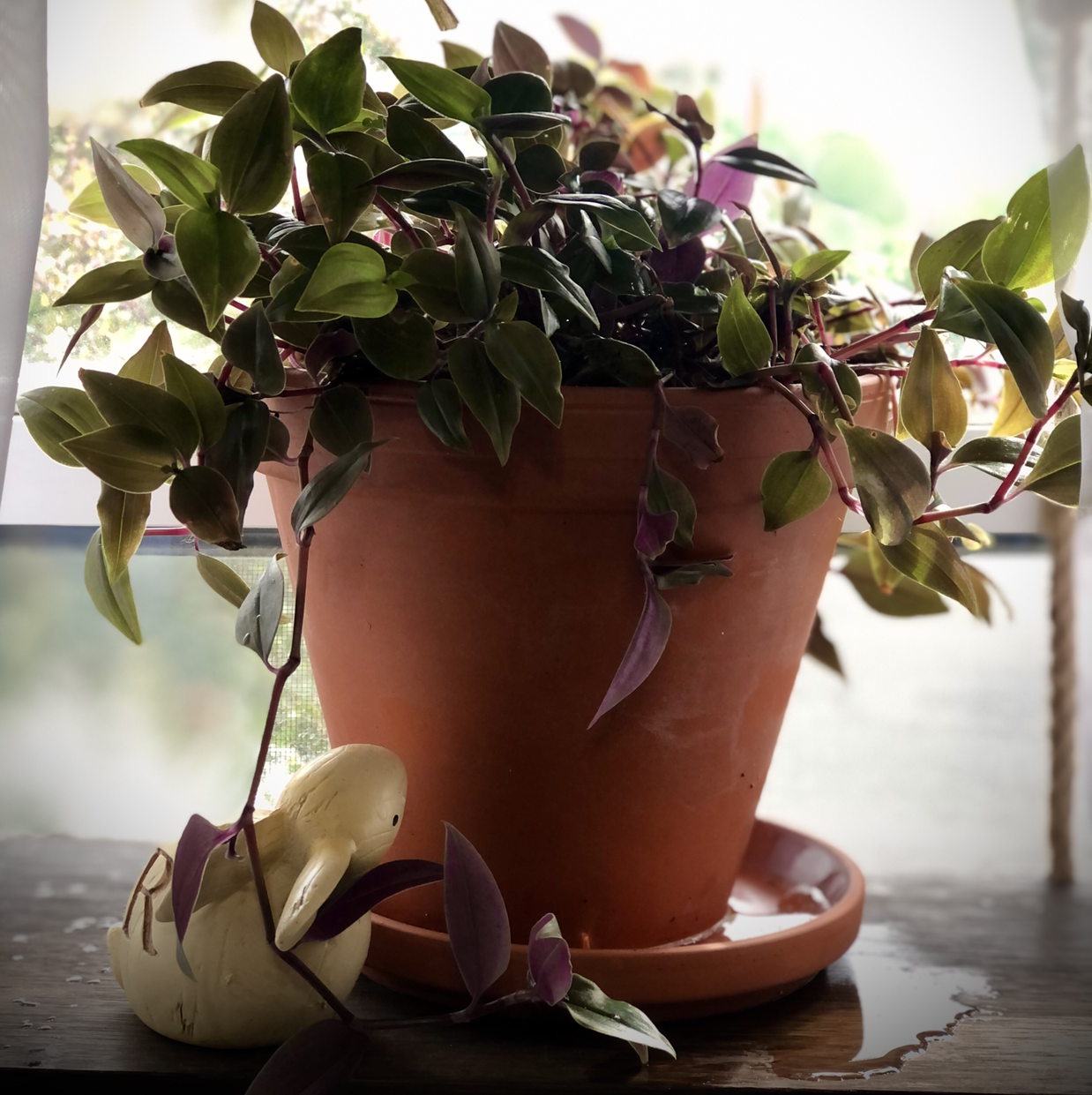
Tradescantia chrysophylla
Reviewed by Kiersten Rankel M.S.
QUICK ANSWER
Water cuttings are the easiest method and root in 1 to 2 weeks, with the bonus that you can watch progress through the glass. Soil cuttings skip the water-to-soil transition and root in 2 to 3 weeks but you cannot see the roots forming.
Division of a full pot is fastest at 1 week to recover but only works once the plant has produced multiple stems from the soil line.
Division of a full pot is fastest at 1 week to recover but only works once the plant has produced multiple stems from the soil line.
Stay on top of plant care
Get seasonal reminders for watering and fertilizing, personalized for your plants.
Try Greg Free
Pick your method
Tap one to jump to the walkthrough.
Water propagation
Best for beginners who want to watch roots form
Soil propagation
Best for skipping the risky water-to-soil transition
Division
Best when the parent pot has multiple stems crowding from the soil line
Water propagation
Time
1–2 weeks
Level
Beginner
Success rate
High
You'll need
Clear glass jar or vase
Filtered water (or tap left to sit 24 hours)
Sterile shears or a sharp knife
Bright indirect light
1
Find a healthy stem
Look for a stem with 3 or more nodes, the small bumps along the stem where leaves attach. Pick a section where the leaves are dark olive-green on top with that signature soft fuzzy purple underside. Avoid stems that are leggy or have yellowing leaves.
2
Cut just below a node
Use sterile shears to cut a 4 to 6 inch piece, making the cut about a quarter inch below the lowest node. Roots will emerge directly from this node once it sits in water. Strip off any leaves that would otherwise be submerged.
3
Place node-down in water
Drop the cutting into a glass with at least one node fully submerged. The leaves should stay above the water line, since fuzzy Tradescantia leaves rot quickly when wet.
Use a narrow vase if your cutting is short, since it keeps the stem upright without pinning the leaves to the rim.
Use a narrow vase if your cutting is short, since it keeps the stem upright without pinning the leaves to the rim.
4
Set in bright indirect light
Place the jar in a spot with bright indirect light. Direct sun cooks Tradescantia cuttings in a clear glass and accelerates algae growth in the water. East-facing windows work well.
5
Refresh water every 4 to 5 days
Pour out the cloudy water, rinse the jar, and refill with fresh room-temperature water. Roots should appear from the submerged nodes within 7 to 10 days as fine white threads.
Baby Bunny Bellies roots are thin and brittle. Be gentle when handling the cutting during water changes.
Baby Bunny Bellies roots are thin and brittle. Be gentle when handling the cutting during water changes.
6
Pot up at 1 to 2 inches of root
Once the longest roots reach 1 to 2 inches, transfer to a 4-inch pot of well-drained potting mix. Make a finger hole, settle the roots in, firm gently, and water in. Keep the soil consistently damp for the first 2 weeks while roots adjust.
WATCH FOR
Mushy translucent stem at the water line with green tissue above. The submerged section is rotting from too-warm water or a dirty jar. Re-cut a quarter inch above the rotted area with a sterile blade, rinse the jar, and start over with fresh cool water.
Soil propagation
Time
2–3 weeks
Level
Beginner
Success rate
High
You'll need
Sterile shears
4-inch pot with drainage holes
Light well-drained potting mix
Pencil or chopstick to make holes
Clear plastic bag (optional)
1
Take a 4 to 6 inch cutting
Cut just below a node from a healthy vigorous stem. Strip leaves from the bottom 2 inches of the cutting. The exposed node is where roots will emerge once it is in soil.
2
Let the cut end air-dry briefly
Set the cuttings on a paper towel for 30 to 60 minutes. The cut surface seals slightly and resists rot once buried.
This short dry-down is not the same as the multi-day callous that succulents need. Tradescantia just needs the wound to dry to the touch.
This short dry-down is not the same as the multi-day callous that succulents need. Tradescantia just needs the wound to dry to the touch.
3
Insert into damp potting mix
Make a hole with a pencil 1 to 2 inches deep, slip the cutting in, and firm the mix around it so the stem stands on its own. You can plant several cuttings around the edge of one 4-inch pot for a fuller display.
4
Water in lightly and place in bright indirect light
Water just enough to settle the soil around the stems. Avoid soaking the pot, since Tradescantia stems rot fast in saturated mix. Set the pot in bright indirect light and skip direct sun for the first 2 weeks.
5
Tent loosely if your air is dry
If indoor humidity is below 40 percent, drape a clear plastic bag loosely over the pot, propped up with chopsticks so it does not touch the leaves. Vent for 10 minutes daily to keep air moving and prevent mold on the fuzzy leaves.
6
Check for resistance at 2 to 3 weeks
Tug gently after 2 weeks. Resistance means roots have anchored. New growth at the tip is the second confirmation. Once you see fresh leaves, treat the cutting as a normal plant and water when the top inch of soil dries.
WATCH FOR
Fuzzy gray mold on the leaves under the humidity tent. The trapped air is too still for this fuzzy-leaved species. Remove the bag entirely and rely on regular watering instead. Snip off any moldy leaves with sterile shears so the rest of the cutting can keep going.
Division
Time
1–2 weeks to recover
Level
Beginner
Success rate
High
You'll need
Mature multi-stem parent plant
Sterile pruning shears
Two or more new pots with drainage
Fresh well-drained potting mix
Watering can
1
Unpot the parent plant
Water the parent the day before to make the root ball easier to handle. Tip the pot on its side, support the base of the stems, and slide the plant out gently. Loosen the soil with your fingers to see how the stems connect at the roots.
2
Identify the natural divisions
Baby Bunny Bellies grows multiple separate stems from the soil line, each with its own roots. Look for clumps of 3 or more stems that share a section of root and gently tease those clumps apart by hand.
If two clumps will not separate by hand, slice between them with sterile shears rather than tearing roots.
If two clumps will not separate by hand, slice between them with sterile shears rather than tearing roots.
3
Trim damaged roots
Snip off any black mushy roots and any extremely long straggly roots with sterile shears. Healthy roots are pale tan and firm. Each new division should keep at least 3 stems and a fist-sized root mass.
4
Pot each division
Plant each division into a fresh 4 to 6 inch pot with well-drained mix at the same depth it was growing before. Firm the soil and water in. Pots should not be much bigger than the root mass, since oversized pots stay wet and invite rot.
5
Recover in bright indirect light
Set the new pots in bright indirect light for the first 2 weeks. Skip fertilizer until you see new growth, which usually takes 1 to 2 weeks. Water when the top inch of soil dries to the touch.
WATCH FOR
Wilted leaves drooping for more than 3 days after dividing. The plant lost too many roots during separation and cannot keep up with leaf demand. Move to lower light, mist leaves daily, and trim back the longest stems by a third to reduce the load. New growth signals recovery.
Stay on top of plant care
Get seasonal reminders for watering and fertilizing, personalized for your plants.
Try Greg Free
About This Article

Kiersten Rankel M.S.
Botanical Data Lead at Greg · Plant Scientist
Editorial Process
Propagation methods verified against Tradescantia chrysophylla growth data from Greg's botanical database, cross-referenced with USDA hardiness zone data and published horticultural research.
621+ Greg users growing this plant
Citations:
Royal Horticultural Society
Royal Horticultural Society