Plant Care
›
Propagation
›
Desert Rose Plant
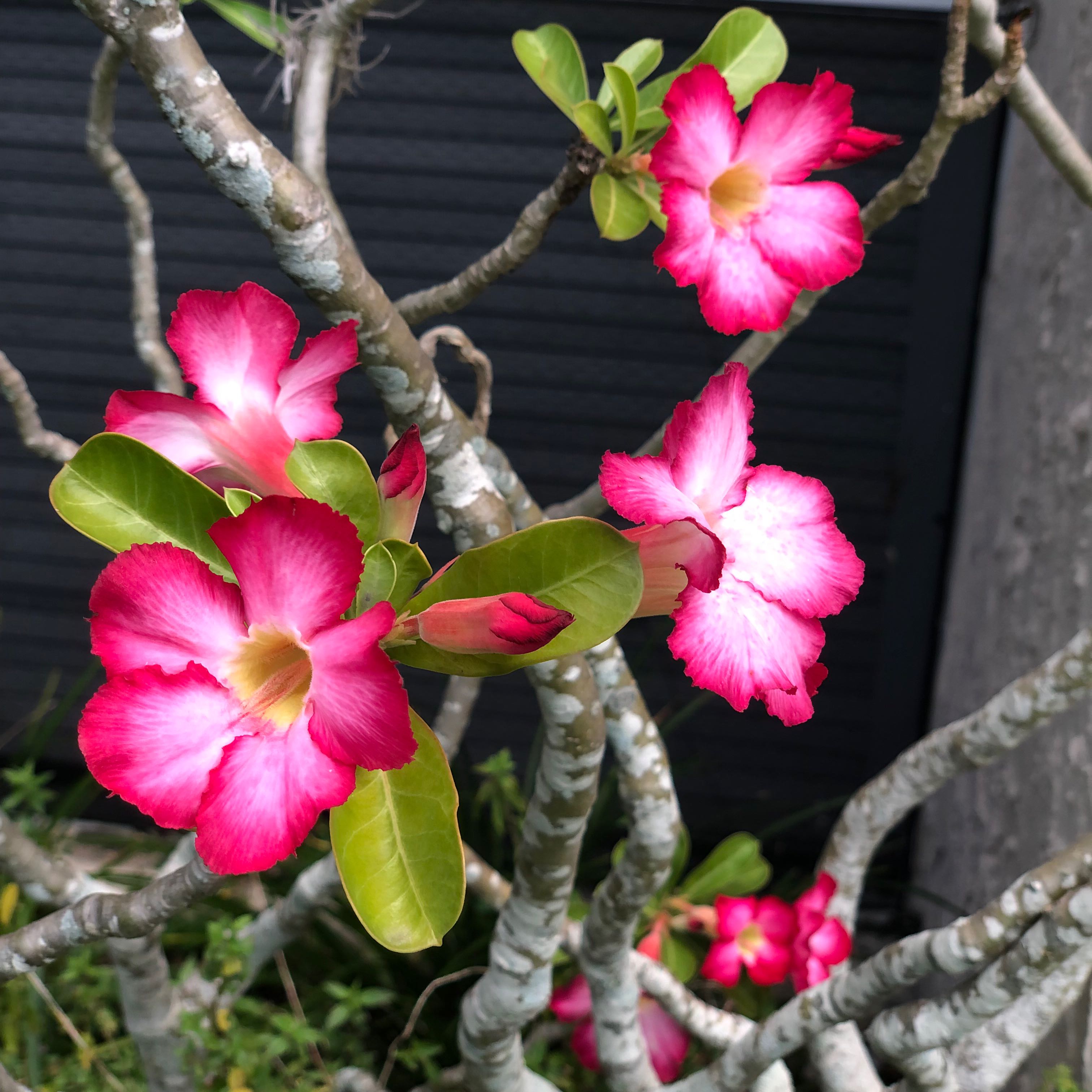
Adenium obesum
Reviewed by Kiersten Rankel M.S.
QUICK ANSWER
Seed starting is the only method that produces the swollen base most growers buy this plant for, and seedlings form a small caudex within 6 to 12 months.
Stem cuttings root in 4 to 6 weeks and bloom faster but always grow as a normal-stemmed shrub with no caudex.
Stem cuttings root in 4 to 6 weeks and bloom faster but always grow as a normal-stemmed shrub with no caudex.
Stay on top of plant care
Get seasonal reminders for watering and fertilizing, personalized for your plants.
Try Greg Free
Pick your method
Tap one to jump to the walkthrough.
From seed
Best for growing the swollen caudex base from scratch
Stem cuttings
Best for faster flowering, but no caudex will form
From seed
Time
6–12 months to caudex
Level
Intermediate
Success rate
Moderate
You'll need
Fresh Adenium seeds (under 1 year old)
A shallow tray with drainage
A 50/50 mix of cactus mix and perlite
A clear plastic dome or bag
A seedling heat mat
1
Source fresh seeds
Adenium seeds are torpedo-shaped with feathery tufts on each end and lose viability within a year. Buy from a specialty seller with a current harvest date, or shake ripe seed pods from a mature plant. Trim the feathery tufts off so seeds sit flat.
2
Sow flat on the surface
Fill the tray with the cactus and perlite mix. Lay each seed flat on the surface and press it down so it makes contact with the soil. Sprinkle a thin layer of perlite on top, just enough to barely cover. Water from below by setting the tray in a shallow dish of water for 10 minutes.
3
Add a dome and bottom heat
Cover with a clear dome to hold humidity. Set the tray on a heat mat at 80 to 85 degrees Fahrenheit. Adenium seeds need warm soil to germinate. Below 75 degrees they sit and rot.
4
Watch for sprouts in 5 to 10 days
Germination is fast when the temperature is right. The first thing you see is a green loop pushing up out of the seed casing. The seed casing often stays stuck on the seedling for a few days, do not pull it off, it will fall on its own.
5
Remove the dome after the first true leaves
Once the seedling has 2 sets of small green leaves, take off the dome. Keep on the heat mat for another 2 weeks. Move to direct sun for at least 4 hours a day, indoors at a south window or outdoors in warm weather.
6
Water carefully and feed lightly
Water only when the surface dries, which may be every 4 to 5 days for tiny seedlings. Feed with a quarter-strength balanced fertilizer monthly.
The caudex starts swelling within 6 months as a soft pinkish bulge at the base. By 12 months you should see a recognizable little bottle shape.
The caudex starts swelling within 6 months as a soft pinkish bulge at the base. By 12 months you should see a recognizable little bottle shape.
WATCH FOR
Seedlings flop over and the stem turns black at soil level. That is damping off from too much moisture or poor airflow. Lift the dome to vent for an hour each day, water from below only, and ensure the soil drains within seconds. Seedlings that catch damping off rarely recover, but spacing out healthy seedlings prevents it from spreading.
Stem cuttings
Time
4–6 weeks
Level
Intermediate
Success rate
Moderate
You'll need
Sterile shears or a sharp knife
A 4-inch pot with excellent drainage
A 50/50 mix of cactus mix and perlite
Rooting hormone (recommended)
Disposable gloves
A bright sunny window
1
Cut a 6 to 8 inch tip in spring
Wear gloves because the milky sap is irritating to skin. Choose a healthy branch tip with no flower buds. Cut cleanly with sterile shears at a slight angle. Strip off the lower leaves so 3 inches of bare stem remain.
2
Rinse the cut and let it callous
Wipe the milky sap off the cut end with a damp paper towel. Set the cutting on a dry surface in shaded warmth for 5 to 7 days until the cut end forms a hard dry skin.
A full callous is critical for this species. Cuttings planted while still wet rot every time.
A full callous is critical for this species. Cuttings planted while still wet rot every time.
3
Dip in rooting hormone and plant
Tap the calloused end into rooting hormone powder and shake off excess. Push the cutting 2 inches deep into the dry cactus mix. Press the soil firmly so the cutting stands on its own.
4
Wait 10 days before the first water
Place the pot in bright indirect light at warm room temperature. Do not water at all for the first 10 days. The cutting will draw on stored moisture while new roots form.
5
Water lightly and move to full sun
After 10 days, water just enough to dampen the soil. Let it dry fully between waterings. Once you see new leaves push out at the top after 4 to 6 weeks, move the pot to direct sun and switch to standard desert rose care.
WATCH FOR
The base of the cutting turns soft and brown. That is rot from watering before roots formed or from a callous that was too thin. Pull the cutting, slice an inch above the rotted section with a sterile blade, callous for 10 days this time, and try again in fresh dry mix.
Stay on top of plant care
Get seasonal reminders for watering and fertilizing, personalized for your plants.
Try Greg Free
About This Article

Kiersten Rankel M.S.
Botanical Data Lead at Greg · Plant Scientist
Editorial Process
Propagation methods verified against Adenium obesum growth data from Greg's botanical database, cross-referenced with USDA hardiness zone data and published horticultural research.
7,560+ Greg users growing this plant
USDA hardiness zones 11a–12b