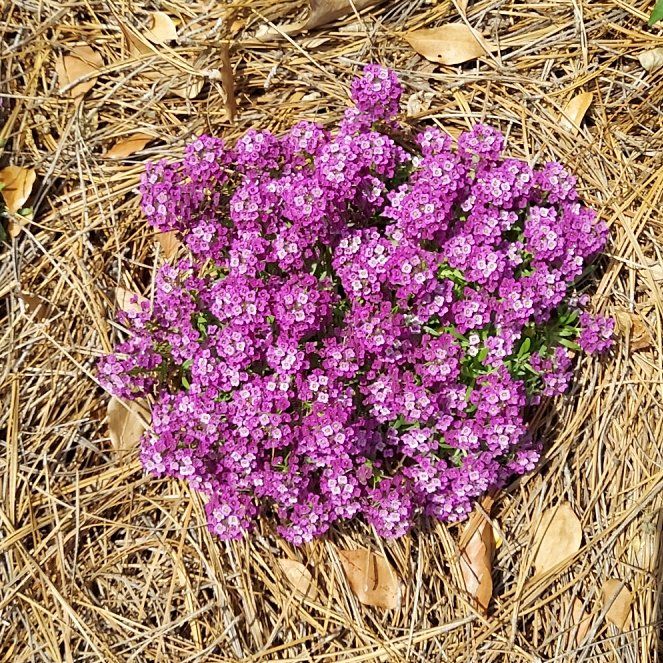
Red Creeping Thyme

What's Eating Your Red Creeping Thyme?

Thymus serpyllum 'Coccineus'
Reviewed by Kiersten Rankel M.S.
Quick Answer

For red creeping thyme, the most likely culprits are spider mites (pale specks and dusty bronzing across the mat in hot dry summers) and root weevils (notched semi-circles chewed from leaf edges, with hidden larvae feeding on roots and crowns). Aphids cluster on the magenta flower stalks during summer bloom but rarely cause lasting damage to the mat.

Stay on top of plant care
Get seasonal reminders for watering and fertilizing, personalized for your plants.
Try Greg Free

What does the damage look like?

Tap the closest match to jump straight to the fix.

Pests, ranked by impact

Spider mite infestation on a stem with fine silk webbing and pale speckled leaf damage

Spider mites

Damage
High
Removal
Moderate
What it looks like

Almost invisible without a hand lens. Yellow-green to red specks on the underside of the tiny oval leaves and along the woody creeping stems. Hot dry summers and drought stress trigger explosive populations on red creeping thyme even though the thymol-rich oils deter most other pests.

What the damage looks like

Tiny pale dots stipple the upper leaf surface, then whole patches of the mat turn dusty bronze and brittle. Fine webbing between leaves and stems in heavy infestations. The dense low creeping habit means defoliated patches don't refill quickly and thin spots can persist into the next season.

How to get rid of them
Option 1

Hose blast the mat at dawn for 3 weeks

Hold a hose nozzle 12 inches above the affected patches and rinse the mat hard at dawn. Cool water knocks mites off the woody stems and into the soil where they can't climb back fast. Repeat every 3 days for 3 weeks. The wet foliage also breaks the dry-air conditions mites need to breed.

Option 2

Neem oil at dusk, every 5 days for 3 rounds

1

Mix 2 tablespoons cold-pressed neem oil and 1 teaspoon dish soap per gallon of water.

2

Spray the entire mat at dusk, paying attention to the underside of leaves where mites cluster on the woody creeping stems.

3

Repeat every 5 days for 3 rounds. That covers the full egg-to-adult life cycle.

Option 3

Deep water the mat once a week through summer

Drought-stressed thyme is mite-vulnerable thyme. Soak the planting area to 4 inches deep once a week during hot dry stretches. The Mediterranean roots want infrequent deep watering rather than daily sips. A healthy mat with turgid leaves is much harder for mites to colonize.

Small leaf weevil resting on a green leaf

Root weevils

Damage
Medium
Removal
Hard
What it looks like

Adult weevils are 6 to 10 mm long, dull black or brown, with a short snout. Hide under the mat by day and feed at night. The white C-shaped grubs live in the soil under the creeping stems and feed on roots and crowns. An iconic pest of thyme and strawberry plantings.

What the damage looks like

Crescent-shaped notches chewed from the edges of the tiny oval leaves, like a hole punch took bites. The leaf damage is mostly cosmetic. The real concern is the larvae underground, which can hollow out crowns and cause patches of the mat to wilt and brown even with adequate water.

How to get rid of them
Option 1

Beneficial nematodes drench in spring and fall

1

Order Heterorhabditis bacteriophora nematodes (Arbico Organics or NemaSeek, ~$25 for a small planting).

2

Mix per package directions and water into the mat at dusk when soil is 55 degrees or warmer.

3

Apply in early spring and again in early fall. The nematodes hunt and kill weevil larvae in the soil under the creeping stems.

Option 2

Hand-pick adults at night with a flashlight

1

Walk the planting an hour after sunset with a headlamp.

2

Adult weevils feed on the leaf edges and drop when disturbed. Place a white sheet under the mat and tap the foliage. They fall out and stand out against the sheet.

3

Drop them into a jar of soapy water. Repeat every 2 to 3 nights for 2 weeks during peak adult emergence in late spring and early summer.

Option 3

Avoid heavy mulch directly over the mat

Thick mulch over a creeping thyme planting holds moisture against the woody stems and gives weevil larvae a sheltered place to feed on crowns. Keep mulch in pathways around the mat instead. The exposed soil at the base of the stems also dries between waterings, which discourages crown rot in the same conditions weevils favor.

Dense colony of aphids clustered on a plant stem

Aphids

Damage
Low
Removal
Easy
What it looks like

Tiny pear-shaped insects 1 to 3 mm long, in shades of green, brown, or black. Cluster on the slender flower stalks and developing buds during the magenta summer bloom. Rarely settle on the thymol-rich foliage of the mat itself.

What the damage looks like

Distorted or stunted flower stalks with a sticky shiny film on the buds. Heavy clusters can reduce the bloom display but the mat itself recovers quickly once aphids are knocked back. Black sooty mold sometimes grows on the residue but washes off with rain.

How to get rid of them
Option 1

Strong water blast every 2 to 3 days for 1 week

Hold a hose nozzle 12 inches from the affected flower stalks and spray at high pressure. Most aphids dislodge and don't make it back to the mat. Repeat every 2 to 3 days for a week through peak bloom. The fastest, cheapest fix and works without chemicals.

Option 2

Let beneficials do the work

Red creeping thyme's summer bloom attracts ladybugs, lacewings, and hoverflies, which are the natural predators of aphids. If pressure is light, leave it alone for a week. The pollinator-friendly mat usually balances itself within 7 to 10 days. Avoid broad-spectrum sprays that wipe out the beneficials.

Stay ahead of all of them

Four habits that keep red creeping thyme pests rare and the mat dense and healthy.
1

Walk the mat after every hot dry stretch

Spider mites breed fastest in heat and drought. A 30-second scan after a week of 90-degree weather catches the dusty-bronze patches while they're still local to one section. Tip a few stems and look at the underside of the tiny leaves for specks.

2

Water deeply once a week, never daily

Mediterranean creeping thyme wants its roots to dry between waterings. Deep weekly soaks build the strong root system that resists weevil grubs. Daily light watering keeps the crown wet, invites root rot, and stresses the mat into mite vulnerability.

3

Apply beneficial nematodes every spring and fall

A spring and fall nematode drench keeps root weevil larvae from ever building up in the soil under the creeping stems. Cheap insurance for a planting that's hard to dig up and replace once weevils establish. Lean on the deer- and rabbit-resistance of thyme oils for the rest of the year.

4

Edge the mat once a year to keep stems woody

Trim back the outer 2 to 3 inches of the mat in early spring before flush. The cut stems thicken and harden, which is exactly the texture mites and weevils have a harder time colonizing. A dense woody mat is also more foot-traffic-tolerant, which is why most gardeners plant red creeping thyme between pavers in the first place.

Stay on top of plant care
Get seasonal reminders for watering and fertilizing, personalized for your plants.
Try Greg Free

About This Article

Kiersten Rankel M.S.
Botanical Data Lead at Greg · Plant Scientist
About the Author
Kiersten Rankel holds an M.S. in Ecology & Evolutionary Biology from Tulane University. A certified Louisiana Master Naturalist, she has over a decade of experience in science communication, with research spanning corals, cypress trees, marsh grasses, and more. At Greg, she curates species data and verifies care recommendations against botanical research.
See Kiersten Rankel's full background on LinkedIn.
Editorial Process
Pest identification and treatment guidance verified against Thymus serpyllum 'Coccineus' field reports from Greg's botanical database, cross-referenced with university extension sources and published horticultural research.