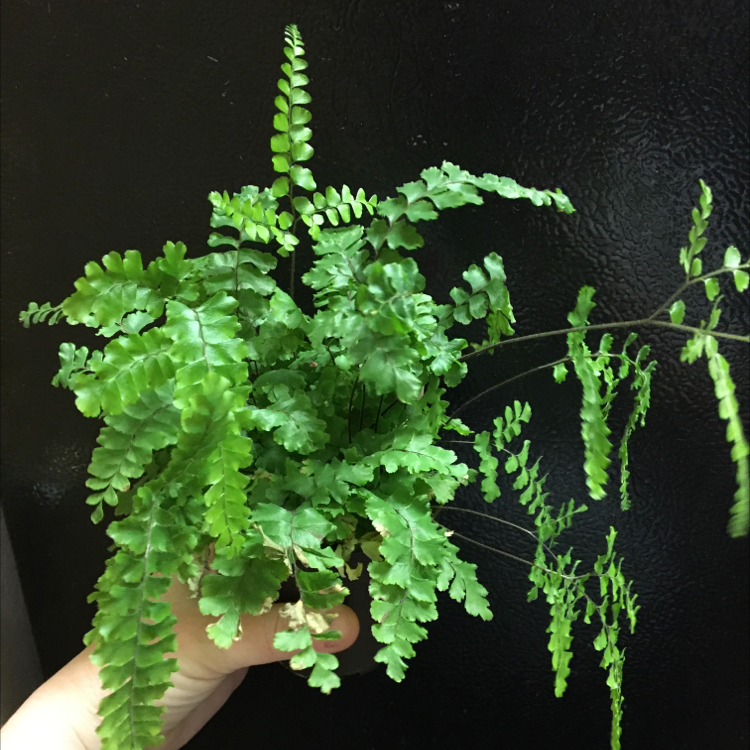
Boston Fern

What's Eating Your Boston Fern?

Nephrolepis exaltata
Reviewed by Kiersten Rankel M.S.
Quick Answer

For Boston fern, the most likely culprit by far is spider mites, which explode in dry indoor air and can defoliate the dense fronds in 2 to 3 weeks. Mealybugs hide deep in the leaf bases where pinnae meet the rachis. Scale insects cling along the rachis and pinna undersides. Fungus gnats show up because Boston ferns like damp soil.

Stay on top of plant care
Get seasonal reminders for watering and fertilizing, personalized for your plants.
Try Greg Free

What does the damage look like?

Tap the closest match to jump straight to the fix.

Pests, ranked by impact

Spider mite infestation on a stem with fine silk webbing and pale speckled leaf damage

Spider mites

Damage
Critical
Removal
Hard
What it looks like

Almost invisible without a hand lens. Yellow-green to red-orange specks running along the underside of pinnae and on the rachis. The dense humid-loving canopy plus dry indoor heating air creates ideal mite weather, and a population can double every 3 days.

What the damage looks like

Pinnae go pale and dusty-looking, then bronze, then crisp and drop in clouds when touched. Fine webbing strung between pinnae and along the rachis. A neglected Boston fern in dry winter air can be skeletonized in 2 to 3 weeks.

How to get rid of them
Option 1

Shower the fronds, every 4 days for 3 weeks

1

Move the fern to the shower or sink. Boston ferns love a thorough rinse.

2

Spray cool water on the underside of every frond for 60 seconds, working from the rachis outward through the pinnae.

3

Repeat every 4 days for 3 weeks. Knocked-off mites cannot reattach quickly, and the bath humidity slows survivors.

Option 2

Insecticidal soap, water-based only, weekly for 3 weeks

Use ready-to-use insecticidal soap (Safer or Bonide, ~$10) on the underside of every frond at lights-out. Skip neem oil and horticultural oil on Boston fern, which scorch the delicate pinnae. Repeat every 7 days for 3 weeks. Test on one frond first if your fern has thin or new growth.

Option 3

Raise humidity above 60%

Run a humidifier within a few feet of the fern for 60 to 70% relative humidity. Boston fern is a tropical understory plant and wants the moisture anyway. Dry forced-air heat is the climate that lets mites breed faster than you can clean them off.

Common myth

Neem oil is the safe houseplant treatment for everything.

Boston fern is the exception. Neem and horticultural oils coat the soft pinnae and cause brown scorch patches that don't recover. Stick with plain water rinses and water-based insecticidal soap on this plant.

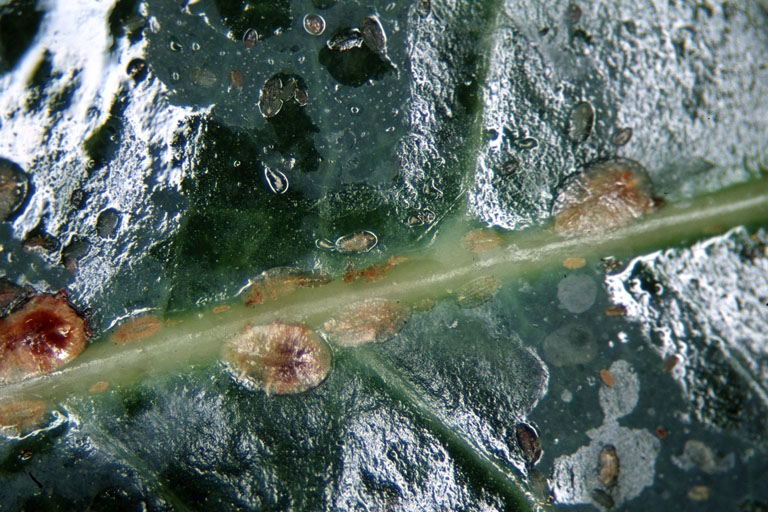
Cluster of long-tailed mealybugs (Pseudococcus longispinus) showing the white cottony wax on a leaf

Mealybugs

Damage
High
Removal
Hard
What it looks like

Soft white insects covered in cottony fluff, 2 to 4 mm long. Cluster deep at the leaf bases where pinnae attach to the central rachis, and along the runners that creep over the soil surface. The dense canopy hides them for weeks before you notice.

What the damage looks like

White cottony tufts visible at the rachis when you part the fronds. A sticky shiny film on lower fronds. Affected pinnae yellow and drop. New fronds emerge stunted because the cluster sits where new growth pushes out.

How to get rid of them
Option 1

Cotton swab dipped in 70% isopropyl alcohol

Part the fronds and dab every visible mealybug along the rachis, leaf bases, and runners. The alcohol melts the waxy coating and kills on contact. Repeat every 3 days for 3 weeks to catch newly hatched eggs hiding in protected pockets at the base.

Option 2

Insecticidal soap drench into the crown

Spray ready-to-use insecticidal soap (Safer, ~$10) directly into the base of the plant where the rachis meets the soil. Soak the runners too. Repeat weekly for 4 weeks because mealybug eggs hatch in protected base pockets over time.

Option 3

Isolate the fern from your collection

Move the fern at least 6 feet from other houseplants. Mealybugs spread by crawling and Boston fern's runners give them easy bridges to neighboring pots. Wipe nearby surfaces and any tools that touched the infested plant.

Brown soft scale (Coccus hesperidum) clustered on a plant stem

Scale insects

Damage
Medium
Removal
Moderate
What it looks like

Hard or soft brown bumps stuck along the rachis and on the underside of pinnae, 1 to 2 mm wide. Look like tiny barnacles glued in place. Easy to confuse with the round spore-bearing dots (sori) on healthy fern undersides, but sori are arranged in neat rows and scale bumps are scattered randomly.

What the damage looks like

Yellowed patches on pinnae around each cluster. A sticky shiny film on lower fronds, sometimes with sooty black mold growing on the residue. Heavy infestations cause slow frond drop over months. Recoverable with treatment because Boston fern pushes new fronds quickly.

How to get rid of them
Option 1

Wipe with a soft cloth and 70% alcohol, weekly for 3 weeks

1

Soak a soft cloth in 70% isopropyl alcohol.

2

Run the cloth along the rachis of every affected frond, gently rubbing each visible bump off. Boston fern stems are tougher than the pinnae and tolerate this well.

3

Repeat weekly for 3 weeks to catch newly hatched crawlers before they form their waxy seal.

Option 2

Insecticidal soap spray, weekly for 3 weeks

Spray insecticidal soap (Safer or Bonide, ~$10) on every frond, focusing on the rachis and pinna undersides. Skip horticultural oil on Boston fern because it scorches the pinnae. Apply at lights-out, every 7 days for 3 weeks. Soap smothers the unprotected crawler stage.

Option 3

Trim out heavily infested fronds at the base

Boston fern recovers quickly from frond loss because it pushes new growth from the rhizome. If a frond has more than a dozen scale bumps, cut it off at the soil line and bag it. Fewer egg-layers, less treatment work later.

Adult dark-winged fungus gnat (Sciaridae) close-up

Fungus gnats

Damage
Low
Removal
Easy
What it looks like

Tiny dark flies, 1 to 3 mm long, hovering near the soil and flying up when you water. Larvae are barely-visible white worms in the top inch of damp soil. Boston fern likes consistently moist soil, so a small population is almost expected.

What the damage looks like

Adults are mostly a nuisance. Boston fern tolerates the damp soil fungus gnats need, and the fern's roots are not damaged at the populations you see at home. The flies are the bigger annoyance than the harm to the plant.

How to get rid of them
Option 1

Yellow sticky traps near the soil

Stick yellow cards (Trappify, ~$10) just above the soil surface. Adults stick to them on takeoff and landing. Replace when the cards fill up. This alone usually pulls the population down to near-zero within 2 weeks.

Option 2

Mosquito Bits sprinkled on soil

Mosquito Bits (Bt-i, ~$15) is a bacteria-based larvicide that kills fungus gnat larvae specifically. Sprinkle a tablespoon on the soil and water in lightly during your next watering. Safe for Boston fern, pets, and beneficial soil microbes. Reapply monthly while the fern stays consistently moist.

Common myth

Let the soil dry out to kill fungus gnats.

Works for monstera or pothos. Fails Boston fern. Letting the soil dry to kill larvae also dries out the rhizome and crisps every pinna on the plant. Use sticky traps and Bt-i instead and keep the soil evenly moist.

Stay ahead of all of them

Four habits that keep Boston fern pests rare and the dense canopy lush.
1

Rachis and runner check, every Sunday

Mealybugs and scale hide where pinnae attach to the central rachis and along the runners spreading over the soil. Part the fronds and look for 30 seconds. The dense canopy buys these pests weeks of cover otherwise.

2

Run a humidifier through heating season

Spider mites need dry air to explode. Boston fern needs humid air to thrive. A humidifier set for 60 to 70% relative humidity solves the biggest threat to this plant and keeps the pinnae from crisping at the same time.

3

Quarantine new houseplants for 2 weeks

Mealybugs and scale travel home from the nursery on the plant you bought. Boston fern's dense canopy makes incoming pests almost impossible to spot, so two weeks of isolation catches anything before it spreads.

4

Shower the fronds monthly

A monthly rinse in the shower or sink knocks off early spider mites, washes away dust, and gives the fern the humidity bath it loves. Catches infestations the week they start instead of the week they explode.

Stay on top of plant care
Get seasonal reminders for watering and fertilizing, personalized for your plants.
Try Greg Free

About This Article

Kiersten Rankel M.S.
Botanical Data Lead at Greg · Plant Scientist
About the Author
Kiersten Rankel holds an M.S. in Ecology & Evolutionary Biology from Tulane University. A certified Louisiana Master Naturalist, she has over a decade of experience in science communication, with research spanning corals, cypress trees, marsh grasses, and more. At Greg, she curates species data and verifies care recommendations against botanical research.
See Kiersten Rankel's full background on LinkedIn.
Editorial Process
Pest identification and treatment guidance verified against Nephrolepis exaltata field reports from Greg's botanical database, cross-referenced with university extension sources and published horticultural research.