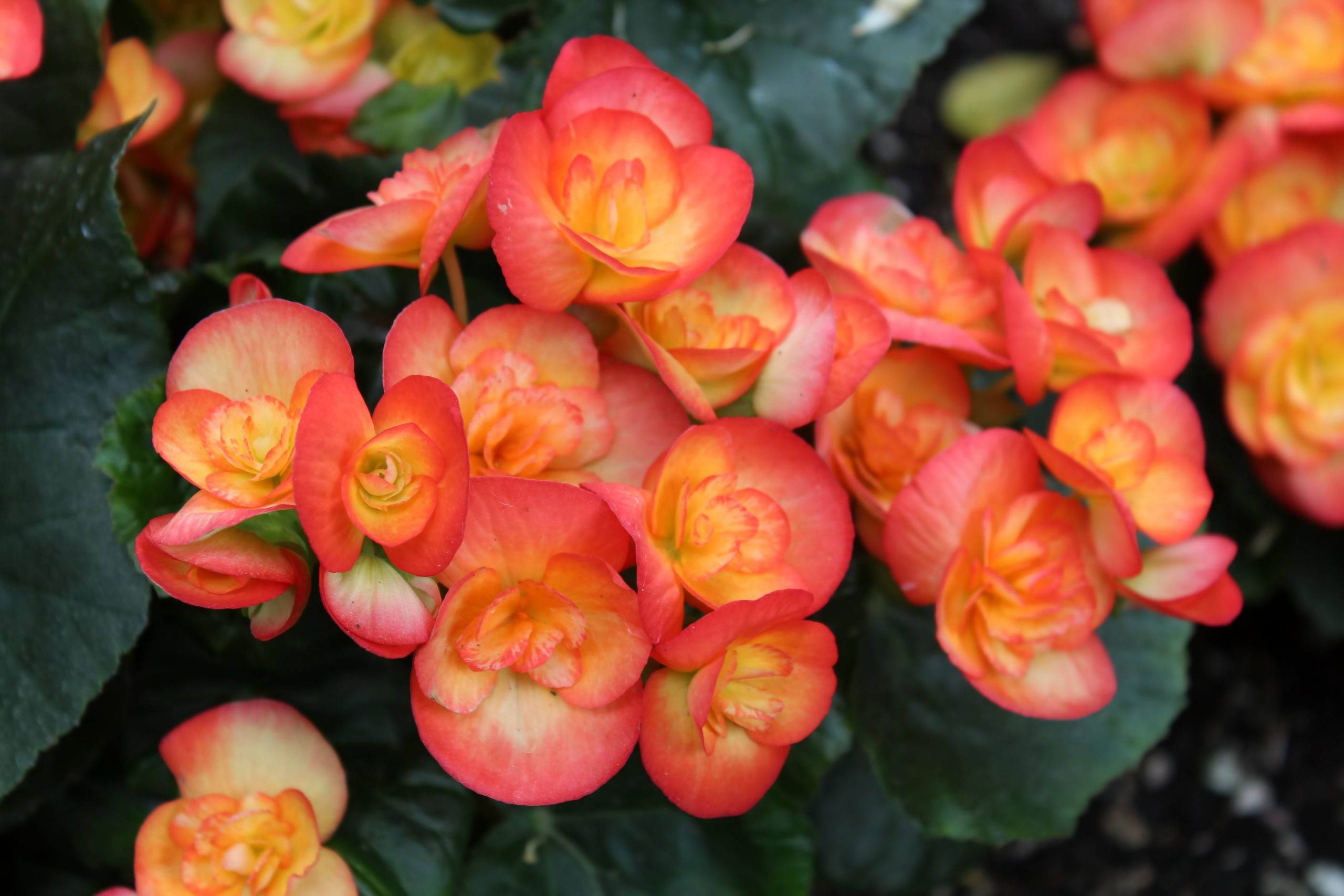
How to Water Tuberous Begonia
Begonia x tuberhybrida
Reviewed by Kiersten Rankel M.S.
Quick Answer
Water tuberous begonia every 3 to 5 days in spring and summer, when the top inch of soil is dry. Stop watering once the foliage dies back in fall and start again in spring.
Water at the soil line, never on the leaves or flowers. The crown rots easily in soggy soil or after wet foliage in cool weather.

Stay on top of plant care
Get seasonal reminders for watering and fertilizing — personalized for your plants.
How Often and How Much to Water
Adjust the sliders below for your pot size, light, and setting. The numbers assume a peat-free moisture-retaining mix and a pot with drainage.
Setting
Every
9days
Use
1cup
Your Watering Rhythm Across the Year
Soil dries faster in the growing season, which varies by region. Slow down watering in the off-season to avoid overwatering.
Pacific
Mountain
Midwest
Northeast
Southeast
JFMAMJJASOND
Growing season
Growing season
9days
Resting season
3–4weeks
How to Water Your Tuberous Begonia
Steady moisture without crown wetness is the goal. Tuberous begonias have a thick fleshy underground tuber that sits at the soil surface, and water pooling on top of it is what causes most failures.
1
Water in the morning so any droplets dry through the day. Cool wet leaves and a wet crown overnight are how begonias rot.
2
Pour at the soil line, never on the foliage or flowers. The big showy blooms turn brown the moment they get wet.
3
Keep pouring slowly until water runs out the drainage holes. Drain the saucer after 10 minutes so the tuber is not sitting in standing water.
4
Avoid splashing the dimple at the top of the tuber. Water that pools there is the most common rot starter.
Should You Water Your Tuberous Begonia Today?
Tuberous begonias need consistent moisture but rot at the crown if water sits on the tuber. Check the soil at the side of the pot rather than directly over the top of the tuber.
Hold off
Leaves firm and held up on their stems
Flowers crisp and bright
Top inch of soil still feels damp
Soil sits tight against the pot wall
Pot feels heavy when lifted
Ready for water
Leaves drooping from the stem joints
Flowers wilting before fully open
Top inch of soil dry and crumbly
Visible gap between soil and pot wall
Pot feels almost empty
If Something Looks Off
Both extremes show up as wilting and bud drop. Tuberous begonias are far more often killed by overwater than underwater, so check the tuber and soil before adding more water.
Underwatered
Soil
Bone-dry through the pot and pulled back from the walls
Leaves
Whole plant droops at the stems and flowers wilt early
Pace
Steady wilt over a day or two that recovers within hours of a soak
Next steps
Set the pot in a basin of room-temperature water for 15 to 20 minutes. Bottom watering avoids wetting the tuber
Drain fully and place back in bright but not direct sun
Expect stems to lift and leaves to firm within 4 to 8 hours
Existing damage will not reverse but the green leaves still photosynthesize. Wait for new growth before fertilizing
Overwatered
Soil
Stays soggy for days with a sour smell
Stem
Stems soft or rotting at the soil line, tuber dimple wet and dark
Leaves
Mass yellowing with grey fuzzy patches and bud drop before opening
Pace
Sudden collapse that worsens even after you stop watering
Next steps
Stop watering and check for fungus gnats around the soil. Tiny black flies hovering at the surface are a near-certain sign the soil has stayed wet too long
Slide the plant out of the pot and check the tuber. Cut away any soft brown sections back to firm flesh and dust the cuts with cinnamon to seal
Repot in fresh peat-free moisture-retaining mix with the top of the tuber sitting just above the soil line
Wait until the top inch of soil is dry before the first watering, usually 5 to 7 days
Increase airflow around the plant. Crowded begonias indoors are much more prone to mildew
Got More Questions?
What do I do with the tuber over winter?
Once frost or cool fall weather kills back the foliage, stop watering and let the soil go fully dry. Cut off the spent stems at the soil line.
Lift the tuber from the soil, brush it clean, and store it in a paper bag or box with dry peat or vermiculite at 45 to 55F through winter. Replant in fresh mix in late winter or early spring as new sprouts appear.
Why are my flowers turning brown and dropping?
Wet petals are the most common cause. Tuberous begonia flowers are thin and turn translucent brown when they get wet from overhead watering or rain.
Water at the soil line only. If the plant is outside in a stretch of rainy weather, expect bloom damage and fresh flowers will replace the lost ones once the rain clears.
Can I use tap water?
Yes for most regions. Tuberous begonias tolerate ordinary tap water without problems.
If your water is very hard you may see white mineral crust on the soil over time. Pour a few extra cups of water through the pot every few months to wash it through. Pour at the soil line so spray does not hit the leaves.
How long can I leave it before a vacation?
About 4 to 5 days during summer. Soak deeply at the soil line the morning you leave and move the plant out of the brightest sun so it dries more slowly.
For longer trips, set the pot inside a deeper saucer with a half inch of water. The plant will wick from below without wetting the tuber. Drain the saucer the day you get home.
Why are my leaves yellow and the buds dropping?
The most common cause is inconsistent watering. Wide swings from soaked to bone-dry stress the plant and it drops buds before they open.
Water on a steady rhythm rather than letting the soil swing. Keep the pot away from cold drafts and heating vents while buds are forming.
How long should I wait to water after planting the tuber?
Water lightly after planting just to settle the soil around the tuber, then wait until you see green shoots emerging before watering again, usually 1 to 2 weeks.
A newly planted tuber in damp soil is very vulnerable to rot. Once shoots are an inch or two tall, drop into the regular spring rhythm of soaking when the top inch dries.
Stay on top of plant care
Get seasonal reminders for watering and fertilizing — personalized for your plants.
About This Article

Kiersten Rankel M.S.
Botanical Data Lead at Greg · Plant Scientist
Editorial Process
Watering guidance verified against Begonia x tuberhybrida growth data from Greg's botanical database, cross-referenced with USDA hardiness zone data and published horticultural research.
4,470+ Greg users growing this plant
USDA hardiness zones 9a–11b