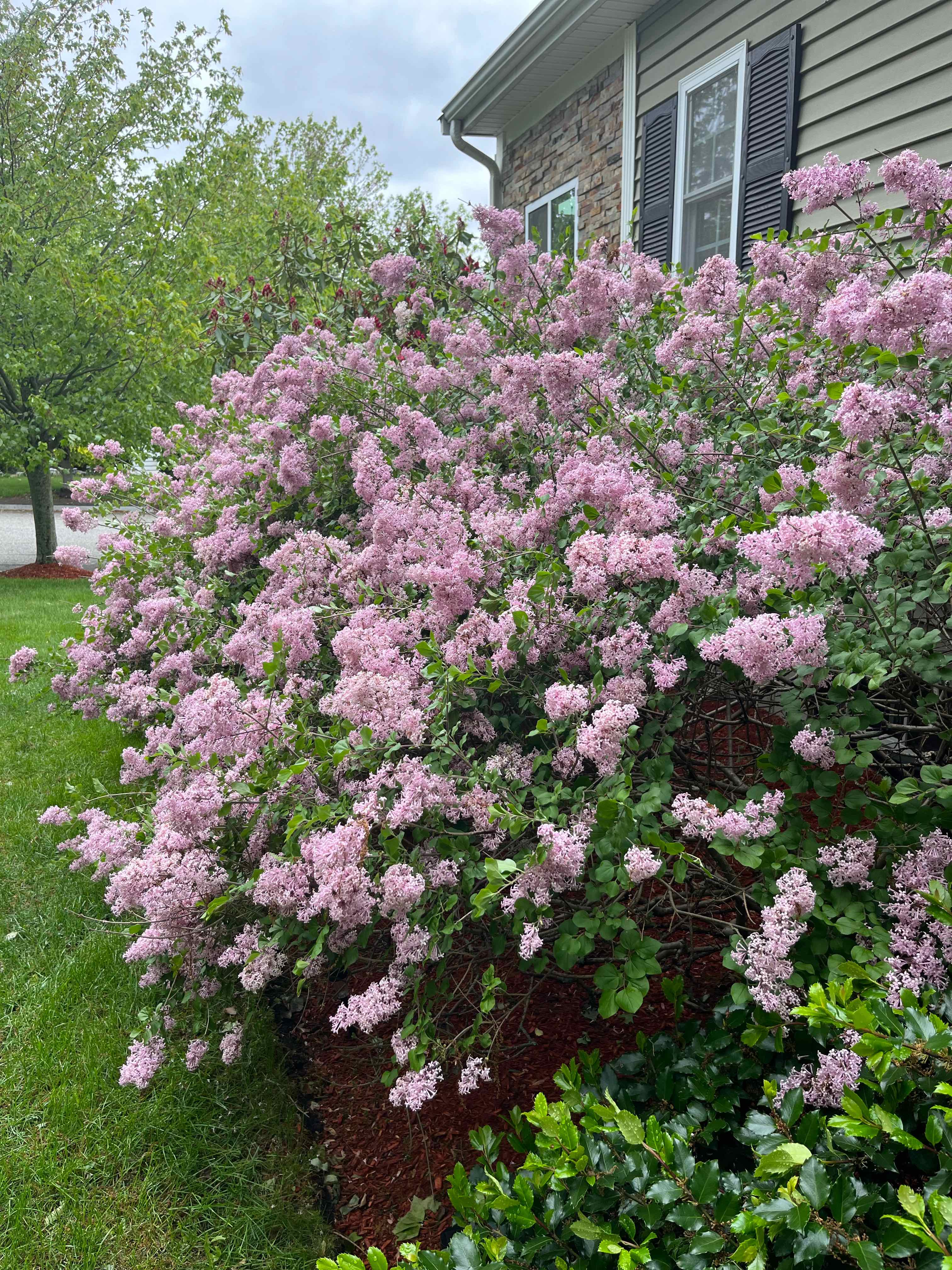
How to Water Lilac
Syringa vulgaris
Reviewed by Kiersten Rankel M.S.
Quick Answer
Water young Lilacs deeply every 7 to 10 days through their first two summers when the top 2 inches of soil are dry. Established Lilacs only need extra water in real droughts.
Soak slowly at the dripline, never against the trunk. Lilacs bloom best with steady spring moisture and a drier summer.

Stay on top of plant care
Get seasonal reminders for watering and fertilizing — personalized for your plants.
How Often and How Much to Water
Adjust the sliders below for your pot size, light, and setting. The numbers assume a well-draining mix with organic matter and a pot or site with drainage.
Setting
Every
9days
Use
1cup
Your Watering Rhythm Across the Year
Soil dries faster in the growing season, which varies by region. Slow down watering in the off-season to avoid overwatering.
Pacific
Mountain
Midwest
Northeast
Southeast
JFMAMJJASOND
Growing season
Growing season
9days
Resting season
3–4weeks
How to Water Your Lilac
Soak deeply at the dripline of the shrub, then let the top inches dry before the next round. Lilacs hate soggy roots and bloom best when summer water tapers off naturally.
1
Water at the dripline of the shrub, not against the trunk. Wet trunk bases invite fungal collar rot.
2
Soak slowly with a hose at low flow or a soaker hose for 20 to 30 minutes so water reaches deep roots.
3
Mulch a few inches around the base, leaving a gap of bare soil right at the trunk so it stays dry.
4
Water in the morning so any splashes onto leaves dry by afternoon. Lilacs are prone to powdery mildew on wet foliage in muggy weather.
Should You Water Your Lilac Today?
Always check before you water an established Lilac. These shrubs bloom best with a slightly drier summer and giving them too much water during dormancy is the fastest way to rot the roots.
Hold off
Leaves feel firm and held outward
Soil at the dripline still feels damp 2 inches down
No drought stress in nearby grass or perennials
Recent rain in the last week
Plant is fully dormant in winter
Ready for water
Leaves looking dull and limp in the morning
Tips of branches drooping
Soil at the dripline dry 3 inches down
Cracks forming in the surface soil
Other plants in the bed showing wilt
If Something Looks Off
Underwater and overwater both show as wilting leaves on a Lilac. The soil dryness and the speed of decline are how you tell them apart.
Underwatered
Soil
Dry several inches down and cracking at the surface
Leaves
Older leaves yellowing and edges crisping in summer
Pace
Slow wilt over weeks that bounces back within a day or two of a deep soak
Next steps
Soak deeply at the dripline, letting water reach 6 to 8 inches deep
Mulch around the base if you have not already, leaving the trunk clear
Expect leaves to firm up within a day or two
Existing crispy edges will not heal but new growth comes in clean
Overwatered
Soil
Stays soggy for over a week or has standing water
Stem
Soft or darkening bark at the trunk base
Leaves
Whole shrub yellowing all at once with stunted new growth
Pace
Sudden decline that worsens even after you stop watering
Next steps
Stop watering and let the soil dry out fully
Improve drainage by adding organic matter to surrounding soil or, for a potted Lilac, repot in a well-draining mix
Wait until the top 4 inches of soil are dry before any more water
Remove leaves that have yellowed completely. The shrub usually pushes new growth from the base if the rot is shallow
Got More Questions?
Why is my Lilac not blooming?
The most common cause is too little sun. Lilacs need at least 6 hours of direct sun a day to set blooms.
Other common causes are heavy summer watering or fertilizing, both of which push leafy growth at the expense of flowers, and pruning at the wrong time. Prune just after bloom in spring, never in fall.
How often should I water a newly planted Lilac?
Deeply every 7 to 10 days through the first two summers, more often in real heat or sandy soil. Young Lilacs have not built deep roots yet and dry out fast.
A 2 to 3 inch layer of mulch around the base helps a lot. After the second summer, most established Lilacs only need extra water in real drought.
Do established Lilacs need supplemental watering?
Rarely. Established Lilacs are tough drought-tolerant shrubs once their roots are deep, usually after 2 to 3 years.
Only water during a real summer drought, when grass and perennials nearby are also showing stress. Overwatering an established Lilac is a more common problem than underwatering.
Why does my Lilac have powdery white spots on the leaves?
That is powdery mildew, a fungal disease that loves humid weather and wet leaves. It is mostly cosmetic and rarely kills a Lilac, though it makes the leaves look ratty.
Prune to improve airflow inside the shrub and water at the soil line, never overhead. Pick a mildew-resistant cultivar next time you plant since some varieties are far more prone than others.
Can I grow a Lilac in a pot?
Yes, dwarf varieties like Bloomerang and Tinkerbelle do fine in 15 to 20 gallon containers. They need more frequent watering than in-ground plants and a well-draining mix.
Plan to repot every 2 to 3 years and water deeply every 4 to 7 days in summer. They will need winter protection in colder zones since the roots are more exposed in a pot.
Should I water my Lilac in winter?
No, almost never. Lilacs are deciduous and dormant in winter, with no leaves and very low water needs. Watering in winter risks rotting the roots in cold soil.
For a potted Lilac, check the soil monthly. If it has been bone-dry for several weeks and the soil is not frozen, give a light drink. Otherwise leave it alone until spring.
Stay on top of plant care
Get seasonal reminders for watering and fertilizing — personalized for your plants.
About This Article

Kiersten Rankel M.S.
Botanical Data Lead at Greg · Plant Scientist
Editorial Process
Watering guidance verified against Syringa vulgaris growth data from Greg's botanical database, cross-referenced with USDA hardiness zone data and published horticultural research.
1,072+ Greg users growing this plant
USDA hardiness zones 3a–7b