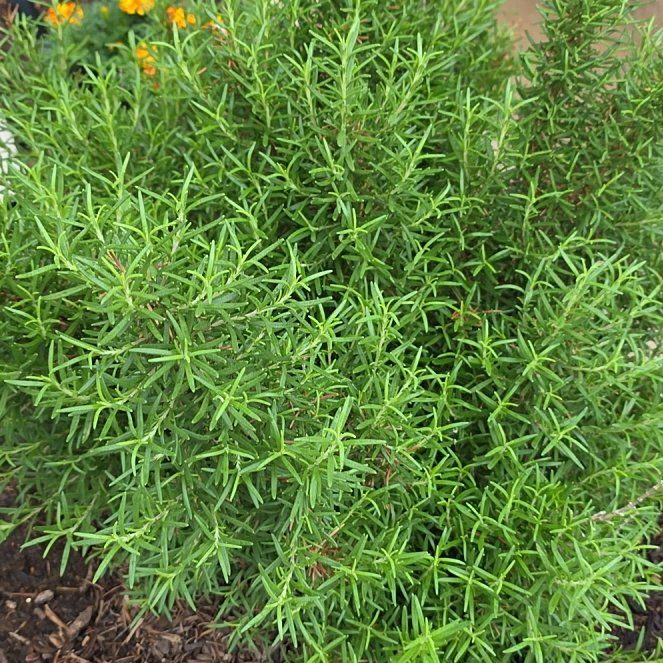
How to Water Rosemary
Salvia rosmarinus
Reviewed by Kiersten Rankel M.S.
Quick Answer
Water your Rosemary every 10–14 days from May through September, when the top 2 inches of soil are dry. Stretch to every 3–4 weeks from late November through February.
Soak deeply, then let it dry hard. Rosemary dies from soggy roots far more often than from a missed watering.

Stay on top of plant care
Get seasonal reminders for watering and fertilizing — personalized for your plants.
How Often and How Much to Water
Adjust the sliders below for your pot size, light, and setting. The numbers assume a gritty fast-draining mix and a pot or site with drainage.
Setting
Every
9days
Use
1cup
Your Watering Rhythm Across the Year
Soil dries faster in the growing season, which varies by region. Slow down watering in the off-season to avoid overwatering.
Pacific
Mountain
Midwest
Northeast
Southeast
JFMAMJJASOND
Growing season
Growing season
9days
Resting season
3–4weeks
How to Water Your Rosemary
Soak deeply, then let it dry hard. Rosemary evolved on rocky Mediterranean hillsides and resents constantly damp soil far more than the occasional dry spell.
1
Pour at the soil line around the base. Keep water off the woody stems and the silvery foliage when you can.
2
Soak slowly until water runs out the bottom of the pot or pools briefly on garden soil. Stop there.
3
For outdoor plants water in the morning so the foliage and crown dry by evening. Wet leaves overnight invite fungus.
4
Empty the saucer after 10 minutes. Rosemary roots will rot if they sit in standing water.
Should You Water Your Rosemary Today?
Always check before you pour. Rosemary tolerates a long dry stretch but a few extra waterings on already-damp soil is what kills it.
Hold off
Soil 2 inches down still feels damp
Foliage looks firm and silvery
New growth tips look fresh and pale
Pot feels heavy when you lift it
Soil sits tight against the pot wall
Ready for water
Top 2 inches of soil are bone-dry
Foliage looks dull or slightly limp
Tips of soft new growth wilting
Visible gap between soil and pot wall
Pot feels almost empty
If Something Looks Off
Underwater and overwater both leave Rosemary looking sad and gray. The difference is in the soil and the speed of decline.
Underwatered
Soil
Bone-dry through the pot and pulled away from the sides
Leaves
Tips of new growth wilt first while older needles stay firm
Pace
Slow decline that perks up within a day of a deep soak
Next steps
Set the pot in a basin of room-temperature water for 20 to 30 minutes
Drain fully and return to its usual sunny spot
Expect new growth tips to firm back up within 12 to 24 hours
Existing crispy needles won't reverse but the plant still photosynthesizes from green parts. Wait for new growth before fertilizing
Overwatered
Soil
Stays dark and damp for days with a sour smell
Stem
Browning and softening at the soil line
Leaves
Whole plant turns gray-green then black from the inside out
Pace
Sudden collapse that worsens even after you stop watering
Next steps
Stop watering immediately and move to the brightest airiest spot you have
Pop out of the pot and trim any dark mushy roots back to firm white tissue
Repot in fresh gritty fast-draining mix in a clean terracotta pot
Wait until the top 3 inches of soil are bone-dry before the first watering
Remove any stems that have already blackened at the base
Got More Questions?
Why does my Rosemary die in winter even when I barely water it?
Indoor winter Rosemary usually dies from low light combined with damp roots, not cold. Without strong sun the plant stops drinking but the soil stays wet for weeks.
Move it to your sunniest south-facing window, run a small fan for airflow, and only water when the top 2 inches of soil are bone-dry. Most indoor winter losses are root rot disguised as cold damage.
Can I bottom-water my Rosemary?
You can but you usually don't need to. Rosemary likes a deep top-down soak that flushes the soil. Bottom watering tends to leave the top inch dry while keeping the lower roots wetter than they prefer.
If the soil has gone hydrophobic and water just runs off, sit the pot in water for 15 minutes to rewet it, then drain fully and go back to top watering.
Does Rosemary care about tap water?
Tap water is fine. Rosemary is not sensitive to chlorine or fluoride at typical municipal levels, and the small amount of mineral content in tap water mimics the limestone-rich soils it grows in naturally.
How long can my Rosemary go without water if I'm on vacation?
An established Rosemary in a 6 inch pot or larger handles 3 to 4 weeks easily, especially if you give it a deep soak and move it out of direct afternoon sun before you leave.
Seedlings and freshly potted plants are less forgiving. For trips longer than a week, ask a neighbor to check the soil at the 2 week mark.
Should I mist my Rosemary?
No. Rosemary is from a dry climate and damp foliage invites powdery mildew. If your indoor air is bone-dry, run a small humidifier or just give the plant good airflow. Misting solves nothing and creates a fungus problem.
Why is my Rosemary's soil staying wet for days?
Either the pot is too big, the mix holds too much water, or the plant has stopped drinking because of low light or root damage.
Downsize to a snug terracotta pot, switch to a gritty cactus or Mediterranean herb mix with extra perlite, and check the roots for any soft brown sections. A small healthy Rosemary in the right mix should dry out within a week even in cool weather.
Stay on top of plant care
Get seasonal reminders for watering and fertilizing — personalized for your plants.
About This Article

Kiersten Rankel M.S.
Botanical Data Lead at Greg · Plant Scientist
Editorial Process
Watering guidance verified against Salvia rosmarinus growth data from Greg's botanical database, cross-referenced with USDA hardiness zone data and published horticultural research.
13,832+ Greg users growing this plant
USDA hardiness zones 8a–11b