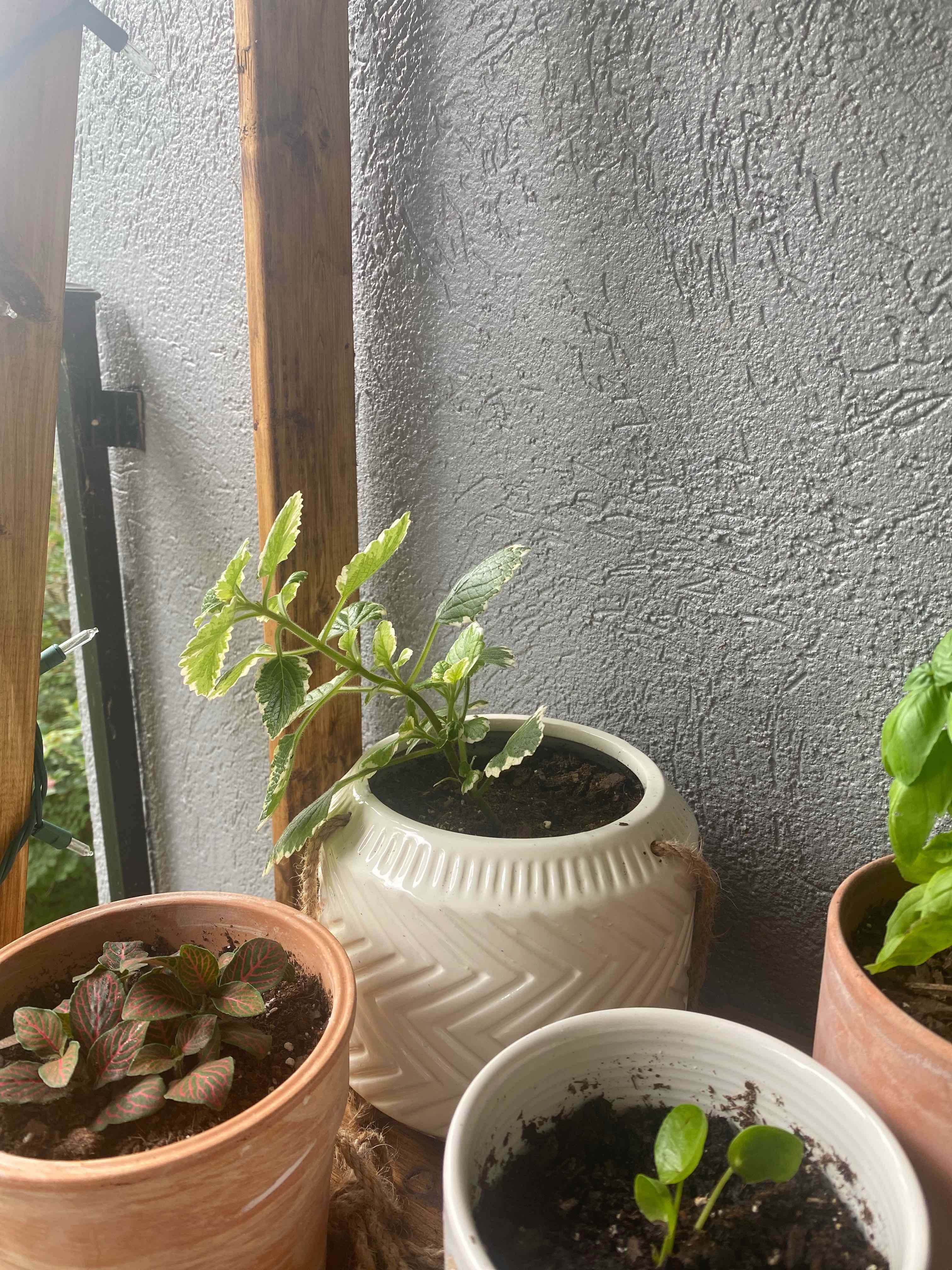
Best Soil for White-Edged Swedish Ivy
What Soil Does White-Edged Swedish Ivy Need?
Native to Southern India and Southeast Asia, White-Edged Swedish Ivy grows as a trailing herb in warm, humid conditions with good drainage. Its fibrous roots need a soil that stays lightly moist but drains freely, since sitting in wet mix causes the stems to rot at the base. A light, airy potting mix with good drainage is the foundation for healthy trailing growth.
White-Edged Swedish Ivy is a soft-stemmed trailing plant with a fibrous, shallow root system that prefers a light, open mix rather than dense, heavy potting soil. Its stems and roots are prone to rot if kept too wet, so drainage is the main priority when choosing a growing medium. Standard all-purpose potting mix works as a base but typically holds more moisture than this plant prefers on its own.
Adding perlite to the mix is the most effective way to improve drainage and ensure air reaches the root zone after each watering. A ratio of roughly two parts potting mix to one part perlite gives you good structure with quick drainage. Some growers also add a small amount of coconut coir to help hold just enough moisture without creating the soggy conditions that lead to stem rot.
This plant does not need a particularly rich or nutrient-dense soil. An overly fertile mix can actually push soft, leggy growth rather than compact, bushy trailing vines. A moderate-quality mix with regular light fertilizing during the growing season keeps it healthy without overdoing the nutrients.
What Soil Mix Should I Use for My White-Edged Swedish Ivy?

What pH Does My White-Edged Swedish Ivy Need?
White-Edged Swedish Ivy grows best in a slightly acidic pH range of 6.0 to 6.5. This is the window where most common nutrients are readily available to the plant and where it tends to put on steady, healthy growth. You can check your mix with a basic soil pH meter or test strips, both available at garden centers for just a few dollars.
When pH drifts above 7.0, you may notice pale, yellowing leaves as iron and other micronutrients become harder for the roots to take up. Below 5.5, the soil can release minerals at levels that become harmful to the roots, often showing up as brown leaf edges or slow, stunted growth. Most quality potting mixes land within the acceptable range right out of the bag, so issues are more likely to develop over time as the mix ages.
When Should I Replace My White-Edged Swedish Ivy's Soil?
Plan to refresh the soil for White-Edged Swedish Ivy every 1 to 2 years. As a trailing perennial that grows steadily through the warm months, it fills its container relatively quickly and the mix compacts and loses structure over time. Once the potting mix starts retaining water longer than it should, it becomes a risk for root and stem rot.
Spring is the ideal time to repot, just before active growth picks up. When refreshing, trim back any leggy stems at the same time and choose a pot only slightly larger than the previous one. An oversized pot holds excess moisture around the roots, which this plant does not tolerate well. Fresh potting mix gives the roots a clean start and restores the drainage the plant needs.
What Soil Amendments Does White-Edged Swedish Ivy Need Outdoors?
White-Edged Swedish Ivy is a fast-spreading ground cover from tropical Asia that roots easily in loose, well-drained soil. Its shallow roots need a light, airy top layer with enough organic matter to stay evenly moist.
If you're planting outdoors in a warm climate, amend clay soil with compost and perlite so the roots can spread without fighting compaction. Sandy soil drains well enough but add compost to give the roots something to hold onto. This plant fills in quickly in a partially shaded spot with rich, loose soil.
Got More Questions?
About This Article
