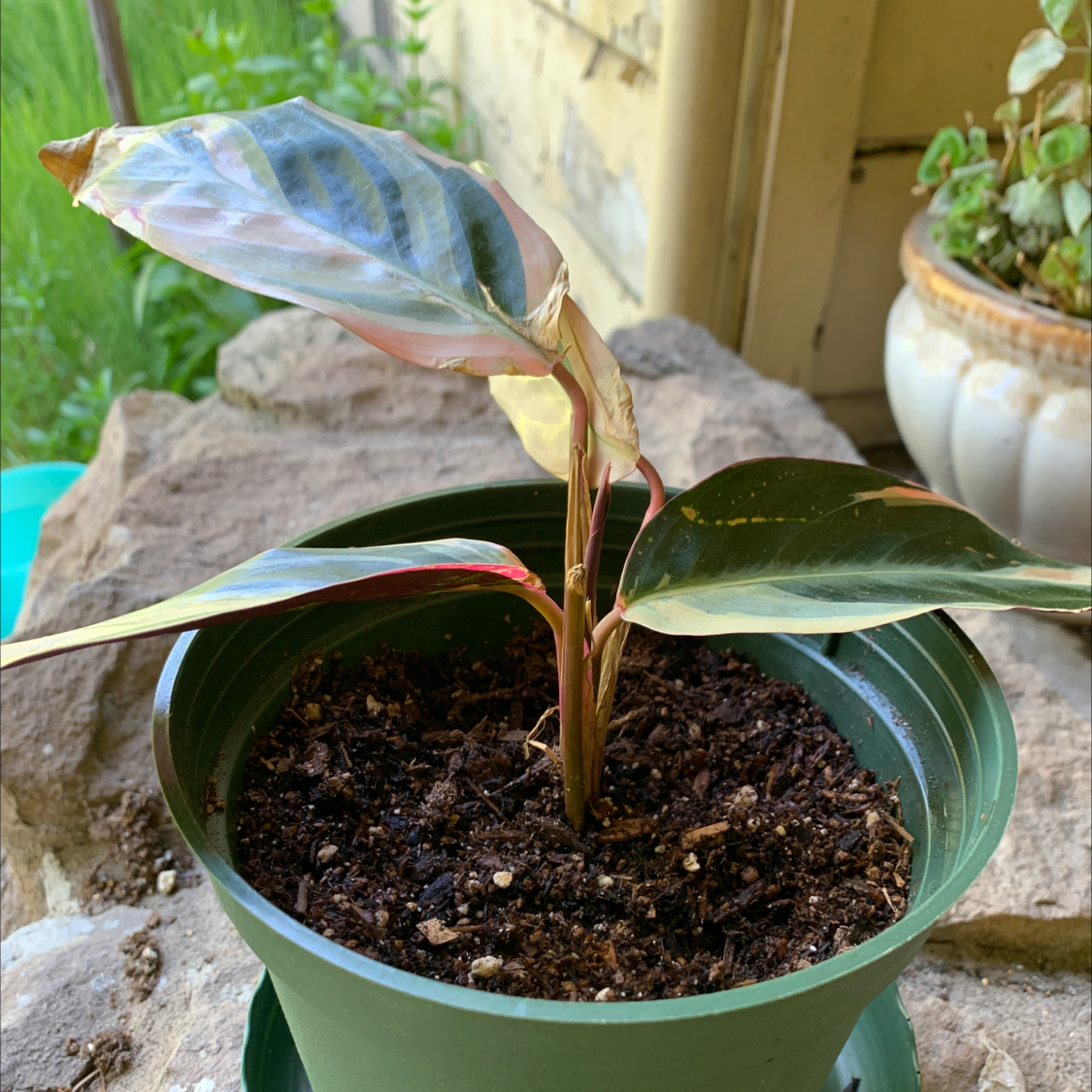
Best Soil for Triostar Stromanthe
What Soil Does a Triostar Stromanthe Need?
Triostar Stromanthe is a prayer plant family member from tropical South America, where it grows in the damp, humus-rich floor of humid forests. It wants consistently moist soil with good structure, never bone dry, never waterlogged, and appreciates the kind of rich, airy ground that forest floors naturally provide.
Triostar Stromanthe has fibrous, shallow roots that are sensitive to both drought and extended wetness. The soil needs to do two things at once: hold enough moisture to keep the roots consistently damp, and drain well enough that the roots never sit in standing water. Standard potting mix on its own can work, but it often holds too much moisture or compacts over time in a way that cuts off airflow.
A better approach is to enrich a quality potting mix with compost and loosen it with perlite. Compost adds organic matter that retains moisture evenly while also supporting beneficial soil biology. Perlite keeps the structure open so water moves through rather than pooling. A small amount of coconut coir is also useful here, it holds moisture well, doesn't compact as quickly as peat, and is more sustainable.
Avoiding fully peat-based or coir-heavy mixes that become hydrophobic when they dry out is important for Stromanthe, since these plants are sensitive to even brief dry periods. The goal is a consistently moist but never saturated root environment. Keep the pot in a saucer without letting it sit in standing water.
What Soil Mix Should I Use for My Triostar Stromanthe?

What pH Does My Triostar Stromanthe Need?
Triostar Stromanthe prefers slightly acidic soil between 6.0 and 6.5. This mild acidity keeps nutrients available and matches the naturally acidic forest floor soils of its South American homeland. You can verify your mix's pH with a soil test strip or a basic pH meter, both are available at garden centers for under $15.
If pH climbs above 7.0, nutrient uptake slows and the plant may show pale, washed-out leaves or poor growth despite regular fertilizing. Below 5.5, excess acidity can damage the fine root system and cause browning leaf tips in addition to the leaf tip burn that Stromanthe is already prone to from low humidity. Keeping pH in range supports the plant's vibrant foliage color.
When Should I Replace My Triostar Stromanthe's Soil?
Triostar Stromanthe is a clumping grower that benefits from repotting every 1–2 years in spring. Organic-rich mixes decompose over time, and as they break down the soil structure collapses, reducing drainage and aeration. When the soil starts draining slowly or staying wet much longer than it used to, it's time for a change.
This plant is sensitive to disturbance, so repot gently and avoid exposing the roots to air for long. Shake off the old mix carefully, place in fresh soil, and water thoroughly to settle the roots. Avoid fertilizing for 4–6 weeks after repotting to prevent root burn on newly disturbed roots.
How Do I Prepare Garden Soil for a Triostar Stromanthe?
Triostar Stromanthe has shallow, fibrous roots that need consistently moist soil without ever sitting in standing water. Think of the damp, humus-rich floor of a tropical forest and aim for that balance.
Clay soil needs serious loosening. Work in generous amounts of compost, coco coir, and fine bark to improve drainage while keeping things damp. In sandy ground, mix in compost and leaf mold to slow drainage down enough that the roots can actually drink. A sheltered, shaded spot with rich organic soil will keep those pink and white leaves looking their best.
Got More Questions?
About This Article
