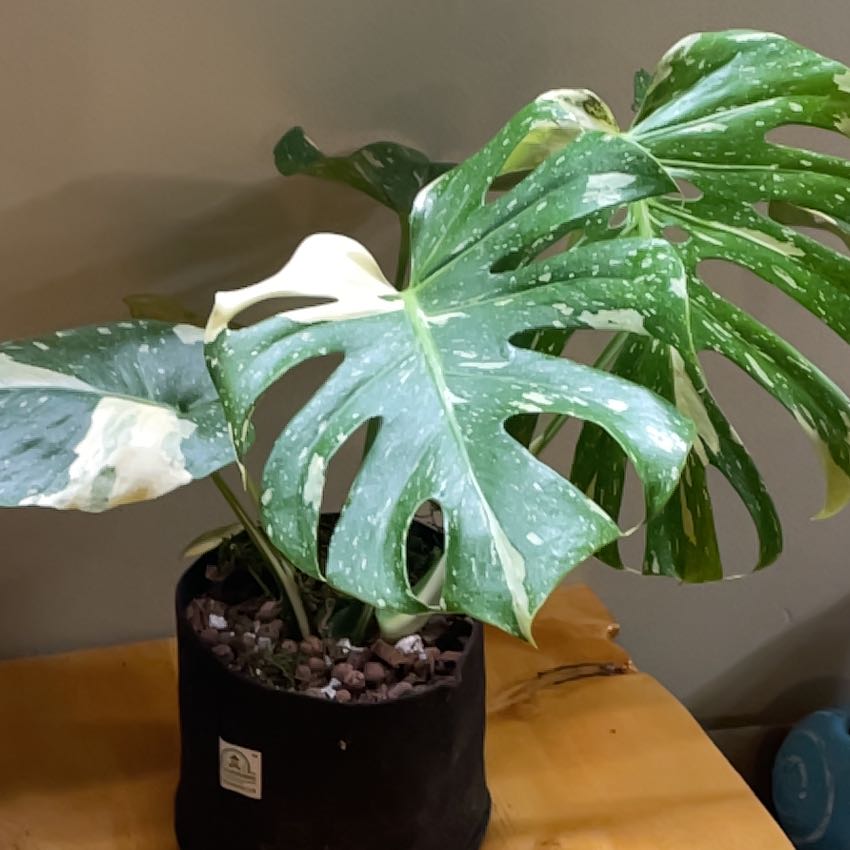
Best Soil for Thai Constellation Monstera
What Kind of Soil Does a Thai Constellation Monstera Need?
Thai Constellation is a tissue-culture cultivar of Monstera deliciosa, sharing the same semi-epiphytic growth habit as the species. In the wild, Monstera roots climb tree trunks and cling to bark, absorbing moisture and nutrients from decomposed organic matter in highly aerated conditions. The soil mix needs to replicate that chunky, open structure rather than a dense, waterlogged medium.
Thai Constellation Monstera is an expensive and slow-to-replace plant, which makes getting the soil right especially important. Root rot from heavy, poorly draining soil is the most common way these plants decline, and because they grow more slowly than standard Monstera deliciosa, they take longer to recover from root stress. A chunky, airy mix is not optional for this cultivar.
Orchid bark is the defining ingredient in a good aroid mix for Thai Constellation. The chunks create air pockets around the roots that allow oxygen exchange, mimicking the bark-clinging conditions of their natural habitat. Perlite adds further drainage and aeration, while potting soil provides the moisture retention and nutrients the plant draws on between waterings.
The variegation in Thai Constellation leaves is caused by cells that lack chlorophyll, which means the plant produces less energy from photosynthesis than a fully green Monstera. This makes it slightly more sensitive to stressors including root rot and soil issues. Starting with the right mix and avoiding overwatering is the most effective way to keep this plant healthy long-term.
What Soil Mix Should I Use for My Thai Constellation Monstera?

What pH Does My Thai Constellation Monstera Need?
Thai Constellation Monstera prefers a slightly acidic soil pH between 5.5 and 6.5, matching the mildly acidic conditions of the decaying organic matter and forest floor debris its roots naturally inhabit. This range keeps iron, calcium, and other nutrients accessible without risking lockout. Use a soil pH meter or test strips to verify your mix, particularly if you are combining multiple amendments from different brands.
When pH drifts above 7.0, Monstera plants show classic signs of iron deficiency: new leaves emerge pale or yellowish with the veins staying green. In a slow-growing variegated plant, this can be hard to distinguish from normal variegation at first, but the pattern is distinctly between the veins rather than at leaf edges or in patches. Soil pH below 5.0 can impair root function and cause overall slow, stunted growth that looks like a light or watering problem.
When Should I Replace My Thai Constellation Monstera's Soil?
Thai Constellation Monstera grows more slowly than standard Monstera deliciosa, but the bark and organic components of its mix still break down over time. Plan to refresh the mix every 18 to 24 months. As the bark breaks down into finer particles, the airy texture that defines a good aroid mix is lost and drainage slows. This is when root issues are most likely to develop.
Because Thai Constellation is a slow grower, it may not become root-bound as quickly as you expect. Do not repot on a fixed schedule based on pot size alone. Instead, check the mix texture and drainage every spring. If it drains well and the roots are not circling the pot, skip the repot and wait another season. When you do repot, use completely fresh mix rather than refreshing partially.
What Soil Amendments Does a Thai Constellation Monstera Need in the Ground?
If you're planting a Thai Constellation Monstera outdoors in a warm climate, its roots need the same loose, airy soil as a standard Monstera but with a bit more attention to drainage. The variegated leaves photosynthesize less efficiently, so the plant is slightly less forgiving of root stress from soggy conditions.
For clay soil, mix in orchid bark, perlite, and compost until the texture feels chunky and open. The roots should be able to breathe easily. Sandy soil benefits from compost and leaf mold to improve moisture and nutrient retention. Plant in a sheltered spot with bright filtered light, since the cream-colored variegation burns quickly in direct sun. A support structure like a tree trunk or trellis encourages larger leaf growth.
Got More Questions?
About This Article
