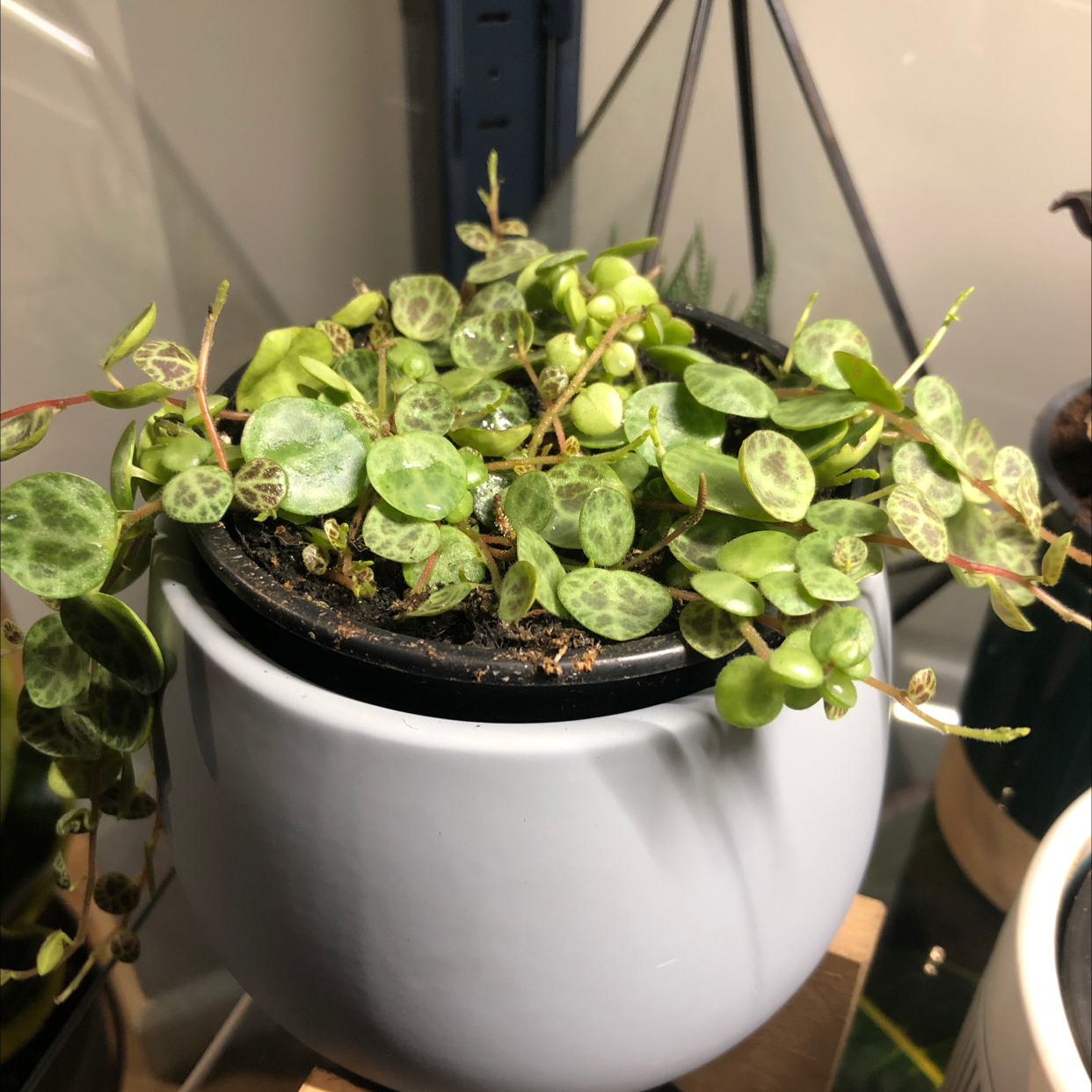
Best Soil for String of Turtles
What Soil Does a String of Turtles Need?
String of Turtles comes from the humid forests of Ecuador, where it trails along mossy surfaces and the bark of trees. Its roots are fine and delicate, they need a mix that drains quickly after watering but holds just a little residual moisture, since the plant isn't a true desert succulent.
String of Turtles looks like a succulent but behaves a little differently. Its tiny leaves hold some water, giving it moderate drought tolerance, but its thread-like roots are surprisingly sensitive to overwatering. The mix needs to drain fast enough that the roots never sit in moisture for long, but it shouldn't be as gritty and lean as a cactus blend.
A good approach is to start with a quality all-purpose potting mix as the base, then lighten it significantly. Perlite is the most important amendment here, it opens up the structure and creates air pockets that prevent the fine roots from suffocating. Fine orchid bark (smaller grade, not chunky) adds a bit of structure without making the mix too coarse for such a small plant. Coarse chunky bark is too big relative to String of Turtles' root system and creates uneven moisture pockets.
Avoid heavy, peat-dominant mixes that stay wet for days. A standard African violet mix is an often-recommended starting point because it's slightly coarser and dries more quickly than regular potting soil, and the texture suits the fine root system well.
What Soil Mix Should I Use for My String of Turtles?

What pH Does My String of Turtles Need?
String of Turtles prefers slightly acidic soil in the range of 5.5–6.5. This matches the naturally acidic forest floor conditions of its native Ecuador habitat. A $10 soil pH meter from a garden center is the easiest way to check, just dampen the soil and insert the probe.
When pH rises above 7.0, String of Turtles may show interveinal yellowing as iron and manganese become harder to absorb. When it drops below 5.0, the roots can be damaged by excess acidity. Because this plant is often grown in small pots with infrequent repotting, pH drift from tap water or fertilizer salts can happen gradually. If leaves start looking washed out despite good care, a pH check is a smart first step.
When Should I Replace My String of Turtles Soil?
String of Turtles is a slow grower (growth rate: 1 on a scale of 1–3), so it won't outgrow its pot quickly. That said, the fine perlite-and-bark mix tends to break down and compact after 12–18 months, reducing drainage over time. When the soil starts staying wet noticeably longer after watering, it's time for a refresh.
Because the plant's trailing stems are delicate, repotting is best done in spring when growth is active. Use a small, shallow pot and handle the roots gently. Fresh mix restores the drainage structure the plant depends on and gives you a chance to check for any root rot that may have developed unnoticed.
What Soil Amendments Does a String of Turtles Need Outdoors?
String of Turtles has delicate, shallow roots that rot easily in heavy or waterlogged soil. If you're planting outdoors in a warm climate, the goal is a light, airy top layer that lets water pass through quickly while keeping just a hint of moisture.
Mix perlite, orchid bark, and a small amount of compost into the top few inches of soil. Clay ground will need extra bark and coarse sand to keep things open. Sandy soil is a better starting point, but add a thin layer of leaf mold so the tiny roots have something to hold onto.
Got More Questions?
About This Article
