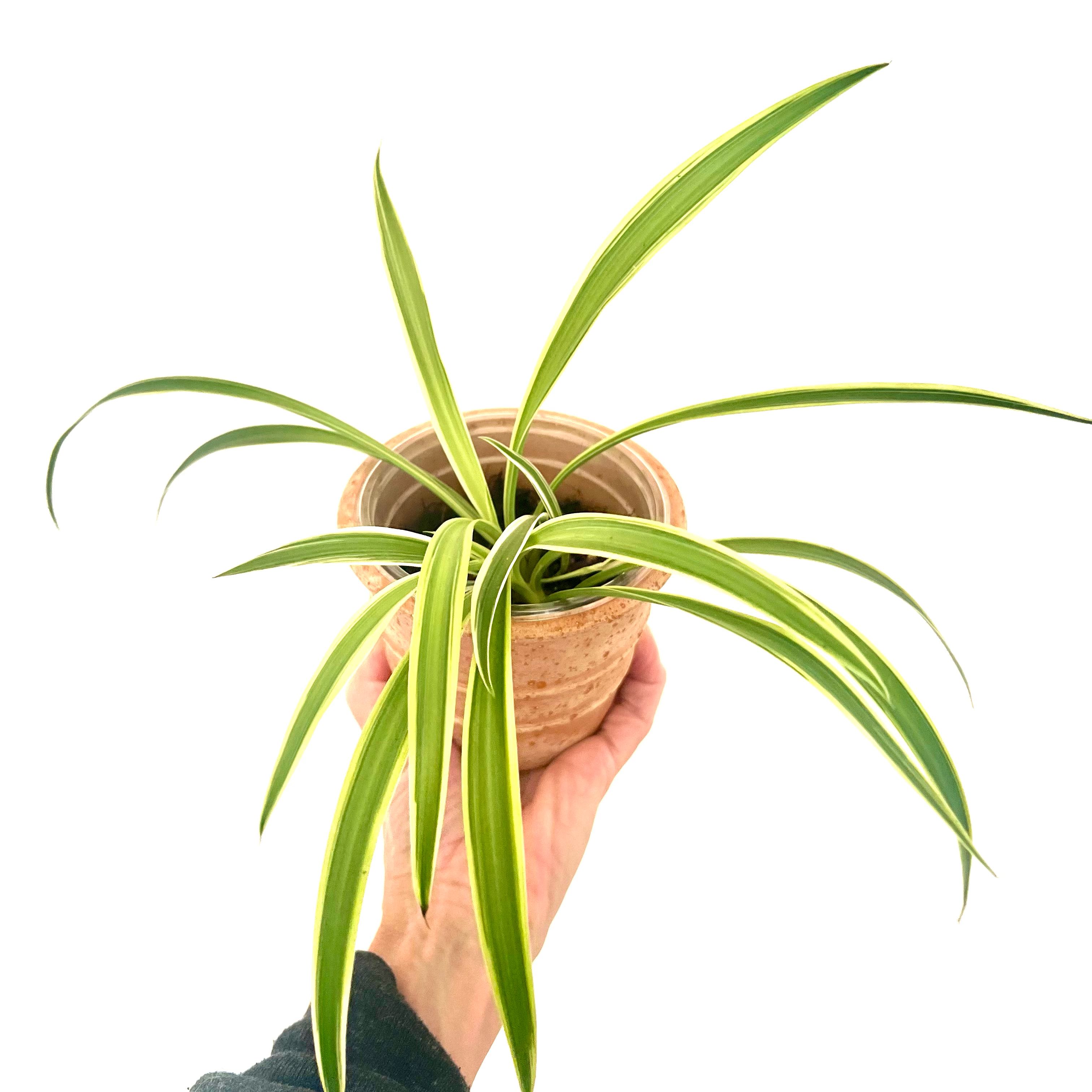
Best Soil for Spider Plant
What Soil Does a Spider Plant Need?
Spider Plants are native to tropical and southern Africa, where they grow along forest edges and rocky slopes in loose, well-draining soils. They're one of the most adaptable houseplants you can grow, but they still perform best in a light, airy mix that doesn't stay soggy around their thick, water-storing roots.
Spider Plants store water in their thick, fleshy roots, which means they can handle short dry periods but are prone to rot if the soil stays wet for too long. A standard all-purpose potting mix is a good starting point, but most commercial mixes benefit from a bit of perlite to prevent compaction and improve drainage.
The fleshy roots also create physical pressure against the pot walls as the plant grows, pushing the soil toward the edges and sometimes compressing it in the center. This natural process makes fresh, loose soil particularly helpful at repotting time. A well-draining mix also helps prevent the fluoride sensitivity that spider plants occasionally show as brown leaf tips, since salts and fluoride flush out more easily from an open, draining mix.
Spider Plants are forgiving enough that you don't need anything fancy. Avoid moisture-retentive specialty mixes and very dense soils. Almost any quality potting mix with good drainage will get the job done.
What Soil Mix Should I Use for My Spider Plant?

What pH Does My Spider Plant Need?
Spider Plants prefer a slightly acidic to neutral pH between 6.0 and 7.0, and they're fairly flexible within that range. Most commercial potting mixes fall right in this window. A basic soil pH meter or test strips will confirm where you stand if you're mixing your own blend.
Spider Plants can show fluoride toxicity as brown leaf tips, which is sometimes confused with pH problems. When pH rises above 7.5, fluoride becomes more available in the soil and can accumulate in the leaf tips, causing browning. Keeping the pH slightly acidic and flushing with plain, non-fluoridated water occasionally helps prevent this.
When Should I Replace My Spider Plant's Soil?
Spider Plants grow at a moderate pace and fill pots relatively quickly due to their expanding root mass. Plan to repot every one to two years, replacing the soil at the same time. The fleshy roots can become so dense that they push most of the soil out of the pot, leaving little room for nutrients or water retention.
Spring or summer, during active growth, is the best time to refresh the mix. If you see roots bulging out of the drainage holes or pushing up above the soil surface, that's the clearest sign it's time. Even without visible roots, old compacted soil loses its drainage over time and needs refreshing.
What Soil Prep Does a Spider Plant Need in the Garden?
Spider Plants are famously tough, but their thick, tuberous roots do best in soil that drains freely. Soggy ground causes root rot even in this otherwise forgiving plant.
In clay soil, mix in compost and coarse sand or grit to open up the structure. For sandy soil, a good helping of compost adds the moisture retention these roots appreciate without making things heavy. Spider Plants are not fussy about sun exposure and will grow in anything from full sun to partial shade, though they color up best with some bright indirect light.
Got More Questions?
About This Article
