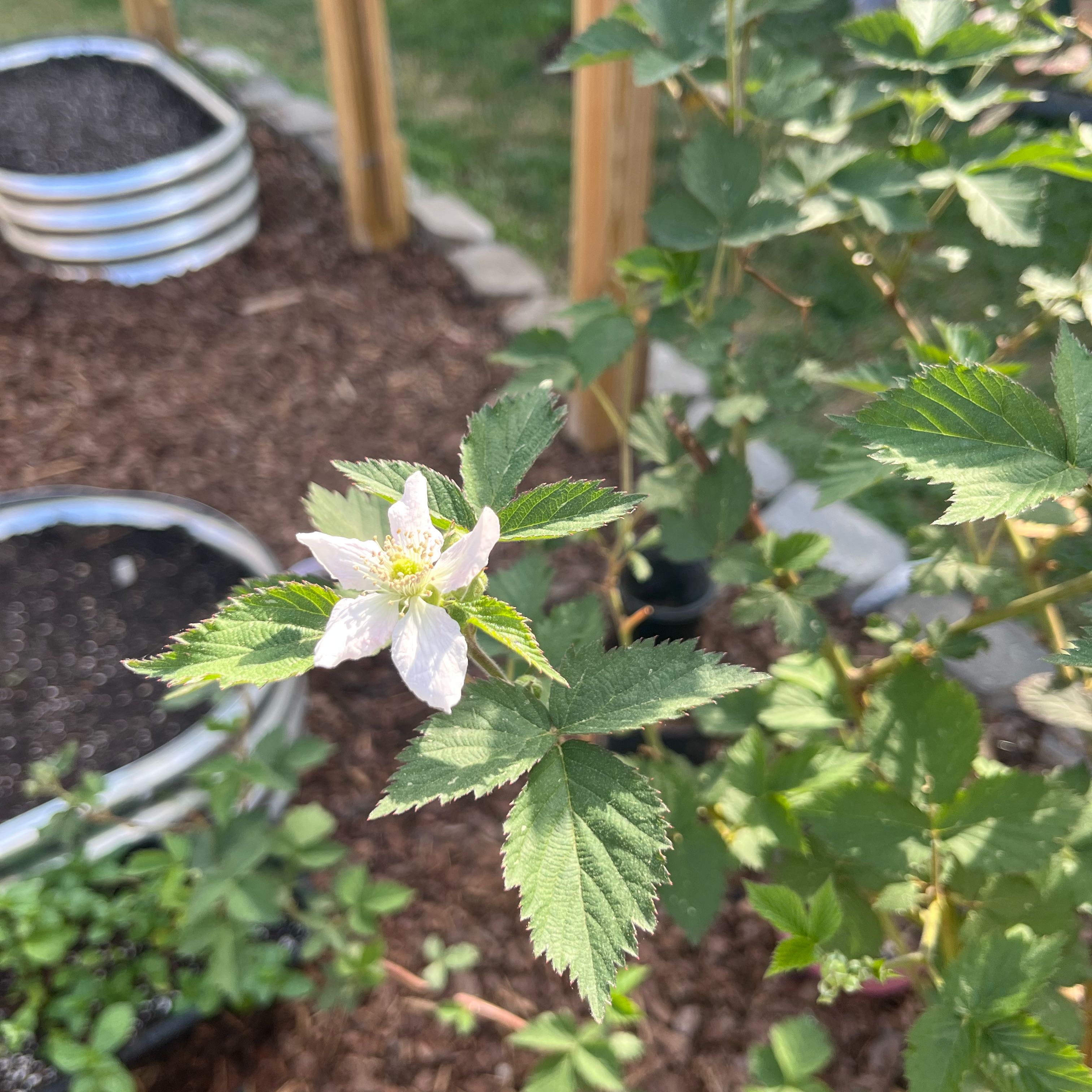
Best Soil for Allegheny Blackberry
What Soil Does Allegheny Blackberry Need?
Allegheny Blackberry is native to the woodlands and forest edges of eastern North America, where it grows in loamy, slightly acidic soil with good moisture and plenty of organic matter. It's a vigorous, adaptable bramble that tolerates a range of soil types but produces the most fruit when the soil is well-draining and rich.
Allegheny Blackberry is primarily an outdoor garden plant, and its soil needs are all about the planting bed rather than container mix. It grows best in loamy soil, the sweet spot between clay (too dense, holds too much water) and sand (too loose, doesn't hold enough moisture or nutrients). Loam drains well after rain but retains enough moisture between rainfalls to keep the roots supplied.
Organic matter is the most important amendment for blackberries. Before planting, work 3–4 inches of compost into the top 12 inches of soil across the planting area. Compost improves the structure of both clay and sandy soils, adds long-lasting nutrients, and supports the beneficial soil biology that healthy bramble roots depend on. Well-rotted manure is another good option and can be worked in at the same time.
Allegheny Blackberry has a fibrous, spreading root system that grows fairly shallow but wide. Good drainage is critical, standing water after rain is a real problem and can cause root rot and cane dieback. Avoid planting in low spots that collect water. If your soil is heavy clay, raised rows or raised beds with amended soil work well. Very sandy soil can be improved with repeated compost additions over multiple seasons.
What Soil Mix Should I Use for My Allegheny Blackberry?

What pH Does My Allegheny Blackberry Need?
Allegheny Blackberry does best in moderately acidic soil with a pH of 5.5–6.5. This acidity helps make nutrients, especially iron and manganese, readily available to the plant and supports strong cane growth and fruit production. Test your soil pH with a meter or a mail-in soil test kit from your local cooperative extension office before planting, it's worth knowing your baseline.
If pH climbs above 7.0, the canes may show interveinal yellowing (leaves yellow but veins stay green), which is a sign of iron deficiency caused by alkaline-locked nutrients. Below 5.0, the plant may struggle with excess manganese and slow nutrient uptake. Adjusting pH before planting is much easier than trying to correct it after the plant is established.
When Should I Refresh My Allegheny Blackberry's Soil?
Blackberries are perennial brambles that stay in place for many years, so 'refreshing soil' means top-dressing rather than full replacement. Apply 2–3 inches of compost around the base of the canes each spring, before growth really takes off. This replenishes organic matter that breaks down over winter and keeps the soil loose and productive season after season.
Every 3–4 years, it's worth doing a soil test to check pH and nutrient levels. Blackberries are productive for 10–15 years in a well-managed site, and regular organic top-dressing is the main maintenance practice that keeps yields high over time. Mulching with straw or wood chips between the rows also helps maintain moisture, regulate soil temperature, and slow weeds.
How Do I Amend Garden Soil for Allegheny Blackberry?
Allegheny Blackberry sends out vigorous roots that need loose, slightly acidic soil to produce well. These plants are native to the eastern woodlands and thrive in the kind of rich, well-drained ground you find at a forest edge.
Amend clay soil with compost, aged pine bark, and a handful of sulfur if your pH runs above 6.5. Sandy ground needs a thick layer of compost and leaf mold worked in deeply to hold moisture during fruiting season. Plant in a sunny spot where the soil stays evenly moist but never pools after rain.
Got More Questions?
About This Article
