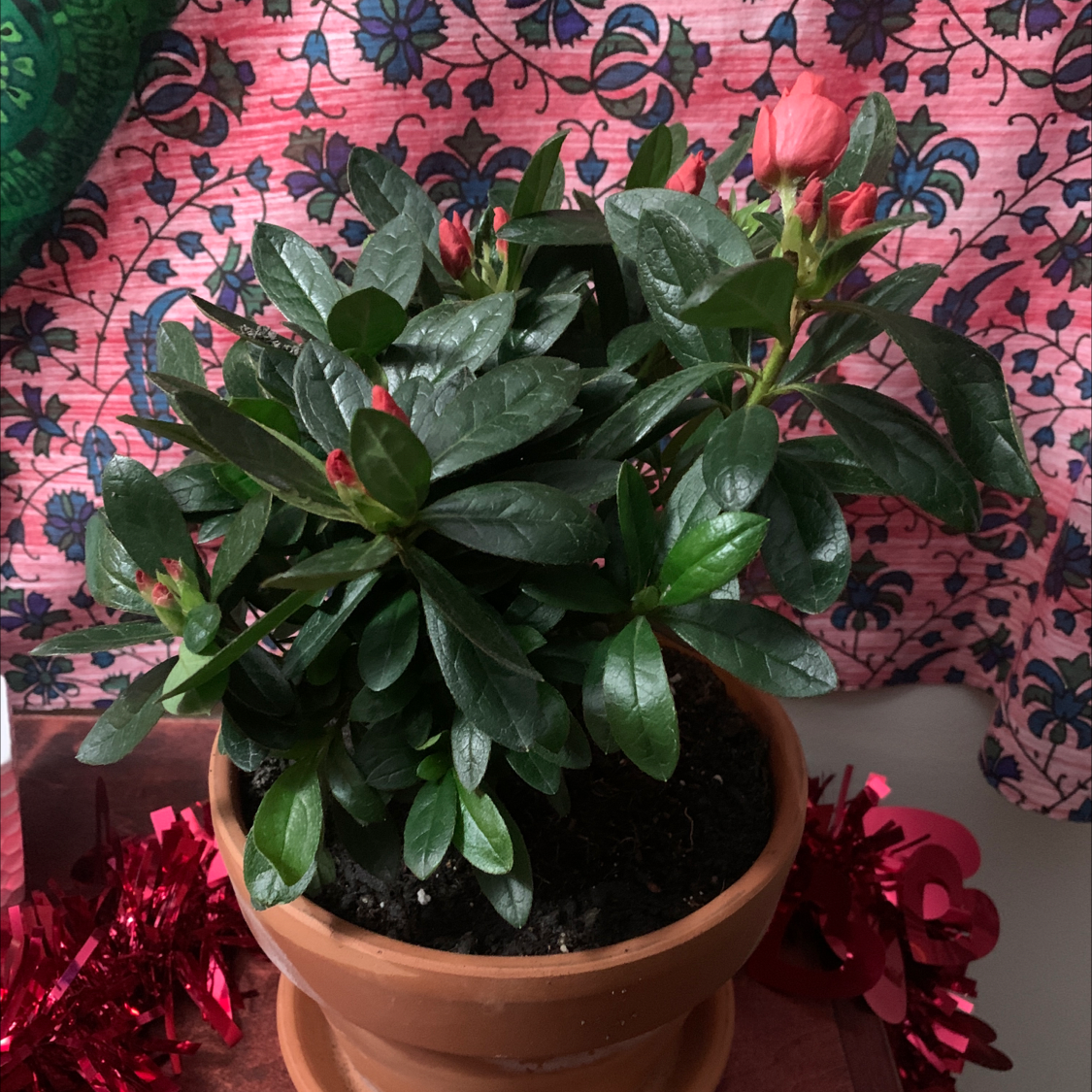
Best Soil for Rhododendron
What Soil Does a Florist Azalea Need?
Rhododendron simsii, the Florist Azalea, is native to mountainous forests in East Asia where the soil is naturally acidic, rich in organic matter, and consistently moist but free-draining. Its fine, shallow, fibrous roots are extremely sensitive to alkaline conditions and compacted growing media. Getting the pH right is not optional for this plant.
Florist Azalea is one of the most pH-sensitive plants you can grow. It belongs to the ericaceous plant group, along with blueberries, camellias, and heathers, all of which require acidic soil to function. The roots of ericaceous plants rely on specific fungi and soil chemistry to absorb iron, manganese, and other nutrients. Put them in alkaline soil and those uptake pathways break down almost immediately.
Standard potting soil is formulated at a pH of 6.0–7.0, which is too alkaline for an azalea. You need to use ericaceous potting mix specifically, which is formulated to sit at pH 4.5–5.5. Most garden centers stock ericaceous mix, or it can be ordered easily online. If you can't find it, you can acidify regular potting mix by blending in pine bark fines or peat moss and adding a small amount of sulfur, but starting with a purpose-made ericaceous mix is far easier and more reliable.
The roots of Florist Azalea are very fine and shallow, spreading near the soil surface rather than diving deep. They need a medium that is open and airy, not dense. Adding perlite to the ericaceous mix improves drainage without raising pH, which is important since many amendments used to open up soil structure are alkaline.
What Soil Mix Should I Use for My Florist Azalea?

What pH Does My Florist Azalea Need?
Florist Azalea requires a strongly acidic pH of 4.5–5.5. This is well below the range most houseplants prefer. Within this range, iron and manganese are available to the plant, and the root fungi (mycorrhizae) that ericaceous plants depend on can function. Check the pH of your mix with a soil meter or test strips before potting up, and test again every 6 months since tap water can gradually raise pH over time.
When pH climbs above 6.0, iron becomes locked in the soil and leaves quickly turn yellow between the veins while veins stay dark green. This is iron chlorosis, and it appears fast in azaleas. By the time you notice it, the plant is already stressed. Using hard, alkaline tap water is one of the most common ways to raise soil pH inadvertently. If your tap water is hard, water with rainwater or use an acidifying fertilizer formulated for ericaceous plants.
When Should I Replace My Florist Azalea's Soil?
Florist Azalea's ericaceous mix breaks down within 1–2 years, losing its acidic structure as organic matter decomposes. Repot every 1–2 years in early spring, just before new growth begins. Choose a pot only slightly larger than the current one. Azaleas prefer to be somewhat root-bound and struggle in oversized containers that hold excess moisture.
When repotting, use fresh ericaceous mix entirely. Don't top off with standard potting soil or blend it with leftover non-acidic mix. After repotting, water thoroughly with rainwater or distilled water rather than alkaline tap water.
What Soil Amendments Does a Rhododendron Need in the Ground?
Rhododendrons have shallow, fine roots that need acidic, well-drained soil rich in organic matter. Alkaline or compacted ground will yellow the leaves and slowly starve the plant no matter how much you fertilize.
Amend clay soil with pine bark fines, compost, and sulfur to improve drainage and bring the pH down toward 5.0 to 6.0. Sandy soil needs compost, peat moss, and shredded bark to hold moisture near those shallow roots. Mulch heavily with pine needles or bark after planting to keep the soil cool, moist, and acidic over time.
Got More Questions?
About This Article

Royal Horticultural Society