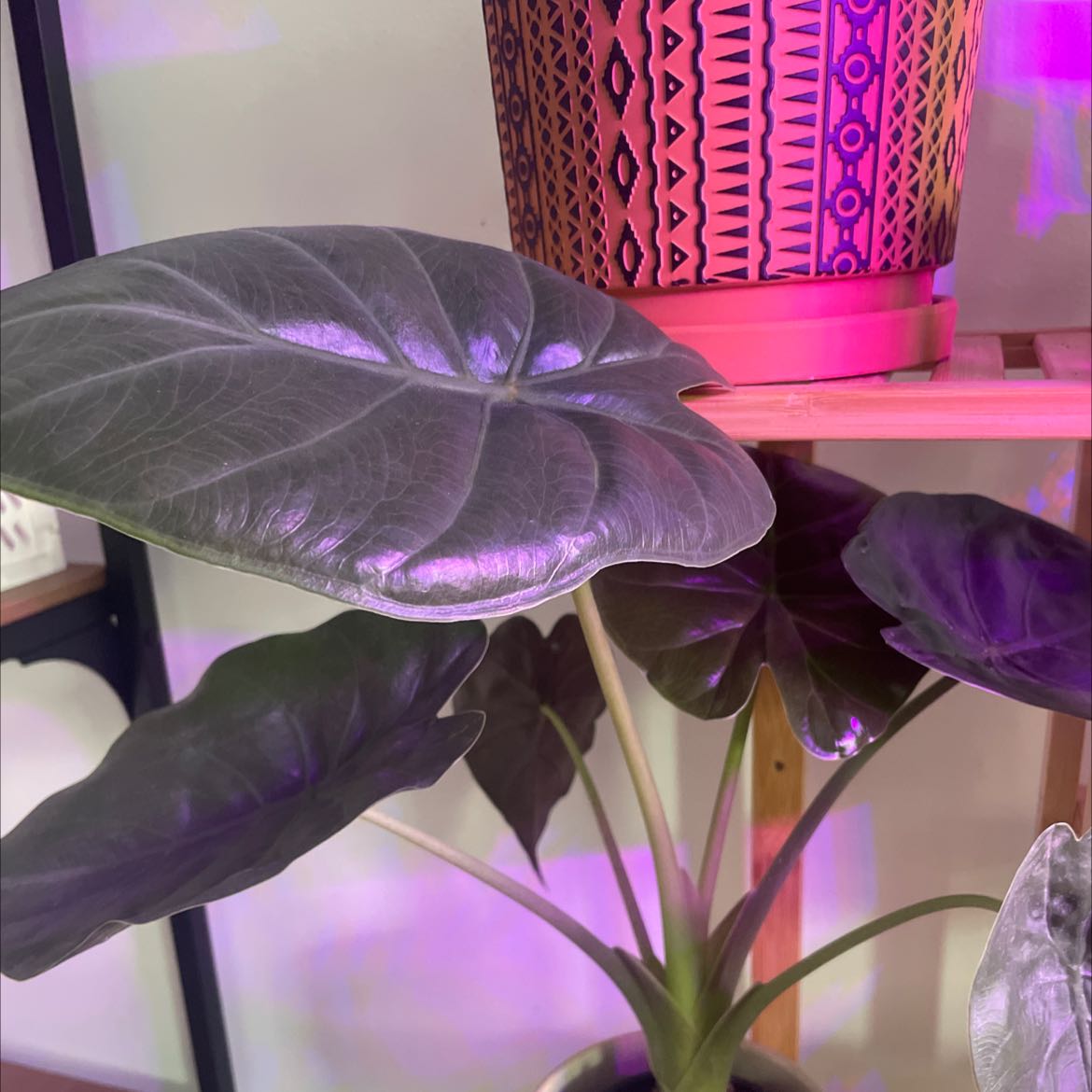
Best Soil for New Guinea Shield
What Soil Does a New Guinea Shield Need?
New Guinea Shield is an Alocasia from the humid tropical forests of New Guinea, where it grows in rich, loose forest-floor soil with excellent drainage and high humidity. The thick rhizomatous roots need plenty of oxygen around them, so the mix must stay chunky and airy rather than compact and dense.
Alocasias like the New Guinea Shield have a reputation for being finicky, and most of that reputation comes from incorrect soil. The roots are thick and fleshy, which makes them efficient at absorbing water but also quick to rot when the soil stays wet too long. A mix that balances moisture retention with fast drainage and good aeration is the key.
An aroid-style mix is the right approach: potting soil as the base, orchid bark to keep the mix chunky and well-aerated, and perlite for fast drainage. The bark pieces create air pockets between roots that allow oxygen to reach them constantly, which prevents the anaerobic conditions that cause rot. The result is a mix that holds a little residual moisture but never stays wet or compacted.
Avoid dense, heavy potting soils and moisture-retaining formulas designed for moisture-loving plants. Alocasias are often mistaken for plants that want constantly wet soil because they come from humid climates, but it's the humidity in the air they need, not saturated roots. A well-aerated mix that dries out moderately between waterings is far more important than soil that stays wet.
What Soil Mix Should I Use for My New Guinea Shield?

What pH Does My New Guinea Shield Need?
New Guinea Shield prefers slightly acidic soil with a pH between 5.5 and 6.5. This matches the naturally acidic leaf litter and organic debris of tropical forest floors. A pH meter or test strip from a garden center will confirm your mix. Most quality potting soils fall in this range without adjustment, though adding orchid bark can shift pH slightly over time as the bark decomposes.
When pH rises above 7.0, Alocasias commonly show yellowing between the veins on younger leaves, a sign of iron or calcium deficiency caused by nutrient lockout at higher pH. Below 5.0, root function is impaired and the plant may stall in growth even with the right watering and light. Lightly acidic water or occasional use of diluted coffee water can help maintain the lower end of the ideal range.
When Should I Replace My New Guinea Shield's Soil?
The bark in an aroid mix breaks down in one to two years, at which point the mix loses the chunky structure that keeps roots aerated. When the mix starts to feel dense and sponge-like instead of loose and chunky, it's time for a soil refresh. Plan to repot every one to two years, ideally in spring.
New Guinea Shield goes dormant or drops leaves seasonally, which can look alarming but is normal. The best time to repot is after the resting period ends and new growth is appearing. Check for healthy white or pale roots at repotting time. Dark, mushy roots should be trimmed before potting into fresh mix.
How Do I Amend Garden Soil for a New Guinea Shield?
New Guinea Shield is a tropical Alocasia that pushes up large, dramatic leaves from a starchy corm. Its roots need loose, airy soil that drains freely but still holds some moisture between waterings.
In clay soil, dig a generous hole and backfill with a mix of compost, bark chips, and perlite to keep things open and prevent the corm from rotting. For sandy soil, work in compost and leaf mold so moisture and nutrients do not wash straight through. A partly shaded spot with rich, humusy soil will give this plant the conditions it wants.
Got More Questions?
About This Article

Royal Horticultural Society