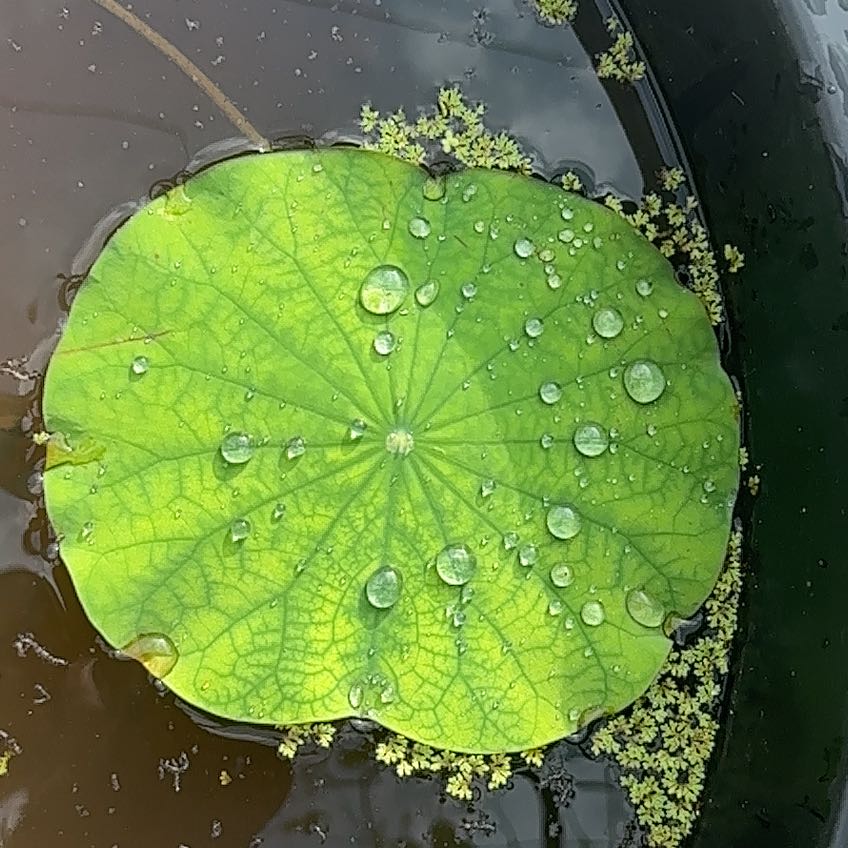
Best Soil for Sacred Lotus
What Soil Does a Sacred Lotus Need?
Sacred Lotus grows naturally in the muddy bottoms of ponds, lakes, and slow-moving waterways across Asia and Australia. It roots into dense, waterlogged clay or loam that stays permanently wet. Unlike almost every other container plant, it does not need or want drainage or aeration, it lives submerged.
Sacred Lotus is fundamentally different from every other plant on a soil article list. It is not grown in potting mix. It lives in a pond or tub garden with its roots in submerged soil and its leaves and flowers floating above the water surface. The soil you use must be dense enough to stay put underwater, heavy enough to anchor the thick rhizomes, and low enough in nutrients that it doesn't foul the water.
The classic substrate is heavy clay soil or a commercial aquatic planting medium. Avoid peat, compost, bark, or any rich organic amendment. Organic matter rots underwater, clouds the water, depletes oxygen, and can kill fish if you have any in the pond. A clean clay or clay-loam soil is ideal. Some growers mix in a small amount of coarse sand to help with rhizome anchoring, but the mix should still be dense and heavy.
For fertilization, use aquatic plant fertilizer tablets pushed directly into the soil near the roots rather than mixing fertilizer into the water. This delivers nutrients to the plant without polluting the pond. A soil depth of 6–12 inches in a wide, flat container with no drainage holes works best. Submerge the container so the growing tip of the rhizome sits about 2–4 inches below the water surface to start.
What Soil Mix Should I Use for My Sacred Lotus?

What pH Does My Sacred Lotus Need?
Sacred Lotus grows best when the pond water and substrate sit between pH 6.5 and 7.5, which is slightly acidic to neutral. This range supports healthy rhizome development and good bloom production. You can test pond water pH with aquatic test strips or a digital pH meter designed for water use, available at any pond or aquarium supply store.
When pH drifts too low (below 6.0), lotus growth slows and flowering may be reduced. When pH climbs above 8.0, the plant struggles to absorb iron and other trace nutrients, which shows up as yellowing leaves with green veins. Very hard tap water can push pond pH high over time. If you need to lower pH, adding a small amount of peat to the substrate (in a mesh bag to contain it) can help gradually acidify the water.
When Should I Refresh Sacred Lotus Soil?
Sacred Lotus soil doesn't break down the way potting mix does, but rhizomes grow vigorously and will eventually fill the container. Plan to divide the rhizomes and refresh the substrate every 2–3 years. Early spring, before new growth emerges, is the ideal time. Lift the container out of the pond, remove the rhizomes carefully, and replant the most vigorous sections in fresh clay soil in the same or a larger container.
If the water in your tub or pond turns persistently murky despite good management, it may mean organic matter has built up in the substrate. In that case, full soil replacement is the right move rather than waiting for the next division cycle.
How Do I Prepare Garden Soil for Sacred Lotus?
Sacred Lotus is an aquatic plant native to Asia and Australia, so preparing garden soil for it means preparing a pond bed or submerged container. The roots (technically rhizomes) grow in heavy, clay-rich mud at the bottom of still or slow-moving water.
Heavy clay soil is actually ideal for Lotus. Pack it into a wide, shallow container and set it in 6 to 12 inches of standing water. Do not use potting mix, sand, or bark since these float and cloud the water. A thin layer of gravel over the clay will help keep it in place. Choose the sunniest spot in your pond or water garden since Sacred Lotus needs at least six hours of direct sun to bloom.
Got More Questions?
About This Article
