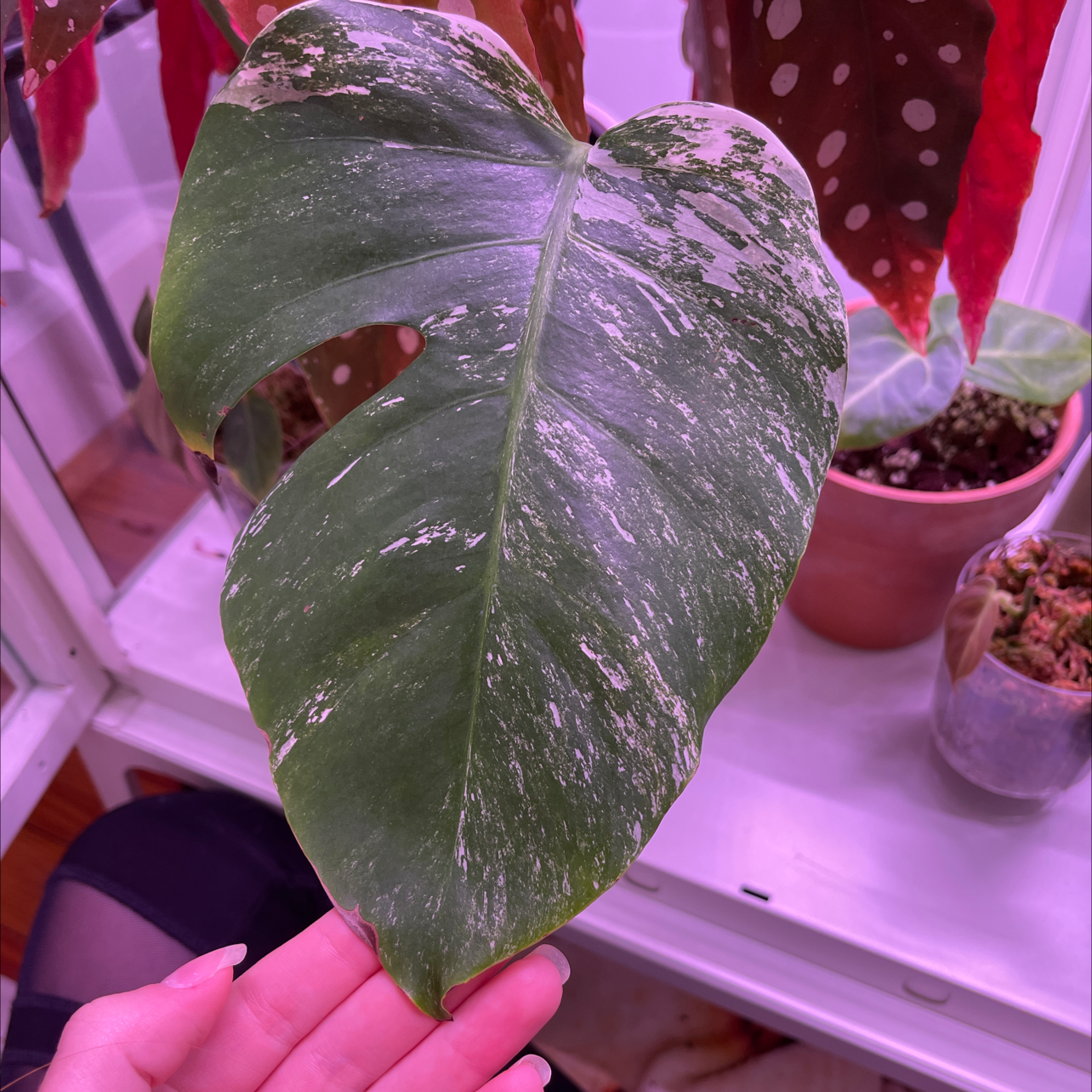
Best Soil for Monstera 'Albo'
What Soil Does a Monstera 'Albo' Need?
Monstera 'Albo' is a variegated form of Monstera deliciosa, a hemiepiphytic climber from the tropical rainforests of Central and South America. It roots in the rich, loose leaf litter of the forest floor and climbs toward canopy light. Its roots need constant moisture but are surrounded by aerated, chunky material that never stays waterlogged.
What makes the 'Albo' soil selection especially important is its variegation. The white and cream sections of the leaves contain no chlorophyll and cannot photosynthesize , all the plant's energy comes from the green portions. This means 'Albo' grows more slowly than a standard Monstera and has less energy to recover from root stress. Root rot that a regular Monstera might slowly bounce back from can be fatal to a plant with significant white variegation.
A chunky aroid mix is the right foundation. Orchid bark provides structure and air pockets, perlite ensures fast drainage, and a modest amount of potting soil or coco coir gives the roots something to grip and provides a small reservoir of moisture and nutrients. The mix should feel loose and chunky, not dense and earthy. When you water, it should drain through within 30 seconds , if water sits on the surface, the mix is too dense.
Avoid mixes that are primarily peat or coco coir alone, as these can compact over time and become hydrophobic when they dry out. Adding a small amount of horticultural charcoal (5–10%) helps with freshness and root health by reducing bacterial buildup in the mix over time. The 'Albo' is an expensive and collectible plant, so investing in the right mix from the start is worthwhile.
What Soil Mix Should I Use for My Monstera 'Albo'?

What pH Does My Monstera 'Albo' Need?
Monstera 'Albo' prefers a slightly acidic pH between 5.5 and 6.5, consistent with most tropical aroids. In this range, iron, calcium, and nitrogen are all available in forms the roots can absorb. Use a pH meter for the most reliable reading , test strips are less accurate in chunky mixes. Take a reading from moistened mix a few inches below the surface.
When pH drifts above 7.0, iron and manganese become locked out and you'll see yellowing with visible green veins on newer leaves. For a plant where healthy green sections are already limited by variegation, this can make the situation worse quickly. Below 5.0, the highly acidic conditions start to break down the bark chunks faster than expected and can damage fine root tips. Maintaining the right pH is straightforward , use a well-formulated aroid fertilizer and avoid alkaline tap water.
When Should I Replace My Monstera 'Albo' Soil?
Orchid bark, the main structural component of an aroid mix, breaks down into smaller particles over 1–2 years. As it degrades, the mix becomes denser, drains more slowly, and no longer provides the air pockets the roots depend on. For the 'Albo' specifically, staying on top of this is more important than for most aroids , root problems in a slow-growing variegated plant are harder to recover from.
Plan to refresh the soil every 12–18 months, or when you notice the mix has lost its chunky texture and started to feel more like dense potting soil. The best time to repot is in spring. When refreshing, inspect the root system carefully , white and healthy roots are what you want to see. Brown, mushy roots should be trimmed and the repotting done in completely fresh mix. A healthy root system repotted into fresh, chunky mix will respond with noticeably stronger new growth.
How Do I Amend Garden Soil for a Monstera Albo?
If you are planting a Monstera Albo outdoors in a warm climate, its climbing roots want loose, rich soil that drains freely. Because the white variegation means less chlorophyll, this plant relies more on healthy roots to fuel its growth.
Amend clay soil with bark chips, compost, and perlite to create a chunky, well-aerated bed. For sandy soil, mix in plenty of compost and leaf mold to give the roots something nutritious to grow through. Choose a sheltered, shaded spot where the soil stays moist but never puddles, and give it a tree trunk or post to climb.
Got More Questions?
About This Article
