Best Soil for Mint
What Kind of Soil Does Mint Need?
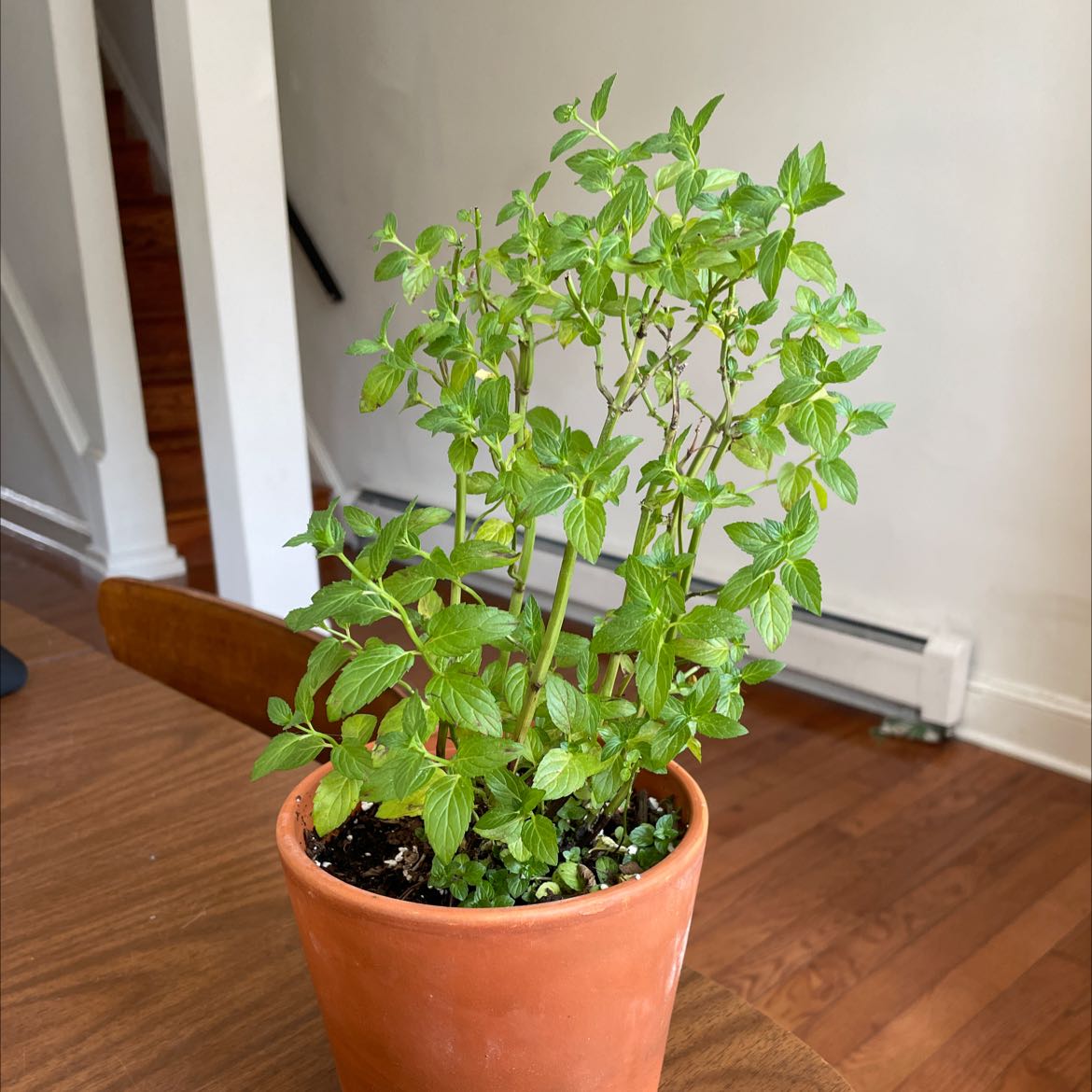
Mint comes from meadows and stream banks where it gets consistent moisture and fertile ground. It wants soil that stays damp but not waterlogged, with enough organic matter to feed its rapid, spreading growth.
Mint is a vigorous grower that rewards rich, moisture-retentive soil. Unlike drought-tolerant herbs, it does not want soil that dries out quickly. A standard all-purpose potting mix is a solid base because it holds moisture and nutrients well, but it can compact over time. Adding a handful of perlite (about 20%) keeps the structure open so roots can breathe and water doesn't sit.
Compost is mint's best friend. Blending in 20–30% compost or aged leaf mold gives the plant the steady supply of nutrients it needs to push out new stems. Garden soil straight from the ground is not ideal for containers because it compacts badly and often drains poorly.
If you're growing mint outdoors in a garden bed, be aware that it spreads aggressively through underground runners. Many gardeners grow it in a buried container or a dedicated raised bed to keep it from taking over. In that case, enrich the native soil with compost and make sure the area drains reasonably well after heavy rain.
What Soil Mix Should I Use for My Mint?

What pH Does My Mint Need?
Mint grows best in slightly acidic to neutral soil, somewhere between 6.0 and 7.0. This range keeps nutrients available and supports the herb's fast metabolism. You can check your soil's pH with an inexpensive test strip or a $10 meter from any garden center.
If the pH drifts too low (below 5.5), mint may develop yellowing leaves and sluggish growth as nutrients become locked out. Soil that's too alkaline (above 7.5) produces similar symptoms and can cause the leaves to lose some of their characteristic scent and flavor. Both problems are easy to fix once you know what you're dealing with.
When Should I Replace My Mint's Soil?
Mint is a fast, aggressive grower that exhausts potting mix nutrients quickly. Plan to refresh or repot your container mint every 1–2 years, or whenever growth seems to stall despite regular watering. Organic matter breaks down over time, and a depleted mix loses both its structure and its feeding power. Spring, just before the growing season kicks off, is the best time to repot.
In the garden, top-dress mint beds with a couple of inches of compost each spring to replenish what the plant has used. Garden soil doesn't need full replacement, but a yearly compost boost keeps the plants productive.
How Do I Prepare Garden Soil for Mint?
Mint is one of the easiest herbs to grow in the ground, and it spreads aggressively by underground runners. Its roots are not fussy, but they produce the most flavorful leaves in moist, rich soil.
For clay soil, mix in compost to lighten the texture and improve drainage just enough to prevent standing water. Sandy soil needs compost and organic matter worked in to hold the consistent moisture that Mint loves. Plant in a spot that gets morning sun and afternoon shade for the best flavor, and consider sinking a barrier around the bed to keep those runners from taking over.
Got More Questions?
About This Article
