Best Soil for Dragon Fruit
What Soil Does a Dragon Fruit Plant Need?
Dragon Fruit (Selenicereus monacanthus) is an epiphytic climbing cactus native to tropical Central and South America, where it clings to trees and rocky outcrops in habitats where its aerial roots experience excellent airflow and drainage. It's built for fast-draining, gritty substrates, not heavy, moisture-holding soil.
Standard potting mix is far too water-retentive for Dragon Fruit. This plant evolved growing up trees and over rocks in environments where rain moves through the root zone quickly and the substrate dries between events. Sitting in moist, dense soil is one of the fastest ways to rot Dragon Fruit roots.
The ideal mix is predominantly inorganic, heavy on coarse sand, perlite, or pumice, with just enough organic matter to hold a minimal amount of moisture and provide some nutrition. Cactus and succulent potting mixes available at garden centers are a practical starting point and usually need only a modest addition of perlite to be excellent for Dragon Fruit. Avoid anything with added moisture-retentive crystals, heavy peat, or bark designed for moisture-loving plants.
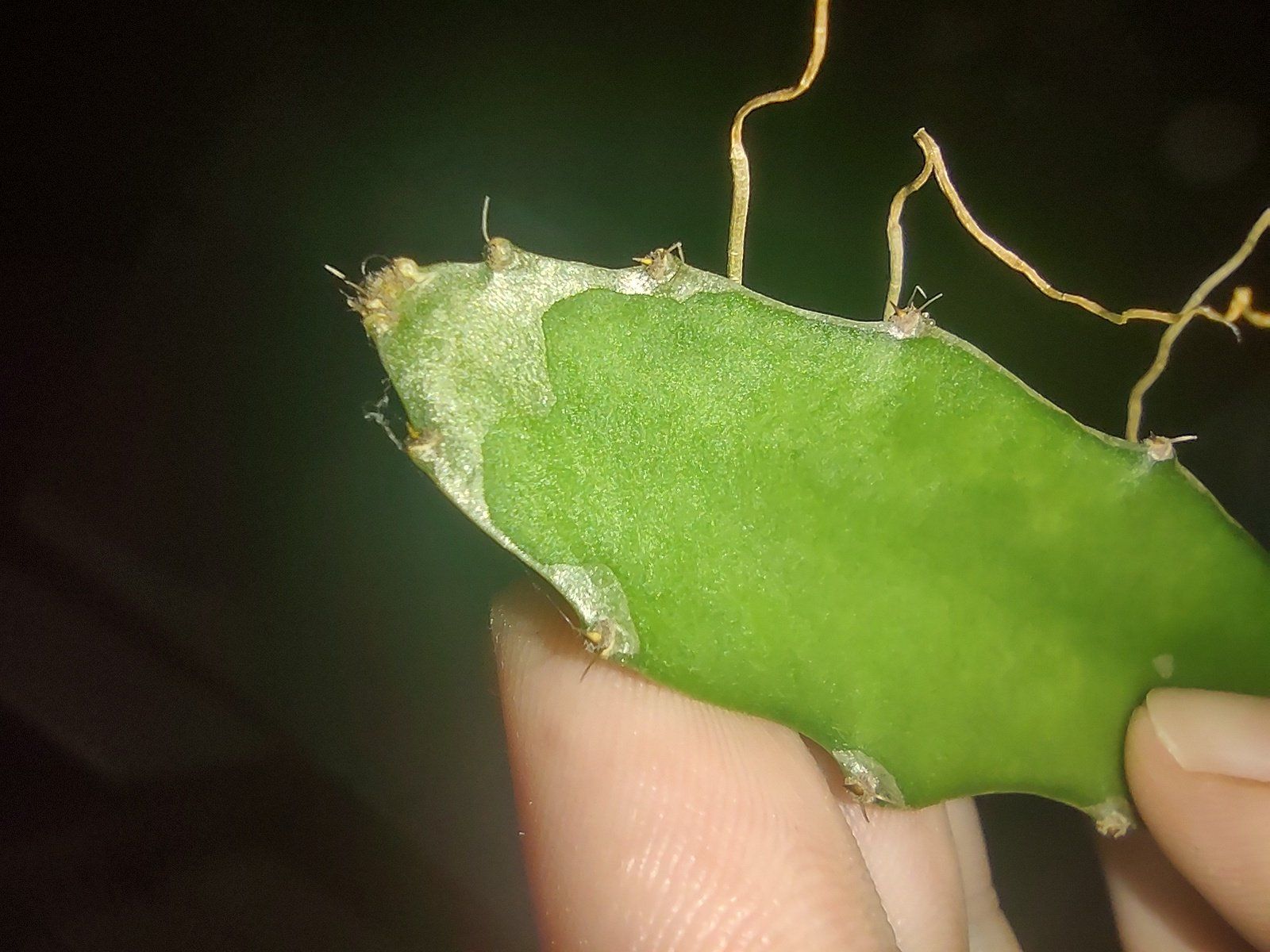
Because Dragon Fruit is an epiphytic cactus, its aerial roots also appreciate some air exposure. In large containers or raised beds, keeping the top layer of the mix loose and coarse helps roots stay aerated even as the deeper mix settles slightly over time.
What Soil Mix Should I Use for My Dragon Fruit?

What pH Does My Dragon Fruit Need?
Dragon Fruit prefers a slightly acidic to neutral pH between 6.0 and 7.0. Within this range, the plant can access phosphorus, calcium, and the trace elements it needs for root development and flower production. A soil pH meter or inexpensive test strips from a garden center are the quickest way to check before mixing or repotting.
When pH climbs above 7.5, Dragon Fruit may show interveinal yellowing on new pads as iron and manganese become less available. Below 5.5, the root system can suffer from aluminum and manganese toxicity in the soil, slowing growth and reducing fruiting. Fortunately, a well-draining cactus mix rarely develops extreme pH without intervention.
When Should I Replace My Dragon Fruit's Soil?
Dragon Fruit is a fast-growing climber when conditions are right, and container plants can become quite large within a few growing seasons. The mineral-heavy mix breaks down slowly compared to organic-rich mixes, so you can typically go two to three years before a full soil replacement is needed. However, check annually for compaction, especially the coarse top layer.
If you're growing in a large container or raised bed, topping off with fresh cactus mix each spring can extend the life of the base mix. Container-grown plants should be repotted when roots are visibly crowding the pot or when drainage has slowed noticeably. Root trimming and fresh mix in spring gives the plant a strong start for the flowering season.
What Soil Amendments Does a Dragon Fruit Need in the Ground?
Dragon Fruit is a climbing cactus with aerial roots that need loose, well-drained soil with a slightly acidic to neutral pH. Like most cacti, it cannot tolerate wet feet, and heavy ground around the roots will cause rot quickly.
For clay soil, dig wide and amend heavily with coarse sand, pumice, and a moderate amount of compost to create a gritty, fast-draining mix. Mounding the planting area above grade gives extra drainage insurance. Sandy soil is already well-suited to dragon fruit. Add a light layer of compost to provide nutrients as the plant establishes, but don't overdo it since lean soil is fine for this species. Plant in full sun next to a sturdy post or trellis, since the heavy stems need support as they climb.
Got More Questions?
About This Article
