Best Soil for Fatsia Plant
What Soil Does a Fatsia Plant Need?
Fatsia japonica originates in the shaded coastal forests of Japan and South Korea, where it grows in rich, humus-heavy soils that stay consistently moist thanks to forest cover and reliable rainfall. It needs soil that holds good moisture and fertility while still allowing excess water to drain away. Dense, poorly draining soil causes root decline, but overly dry, sandy soil leaves it stressed and struggling to push out those large, dramatic leaves.
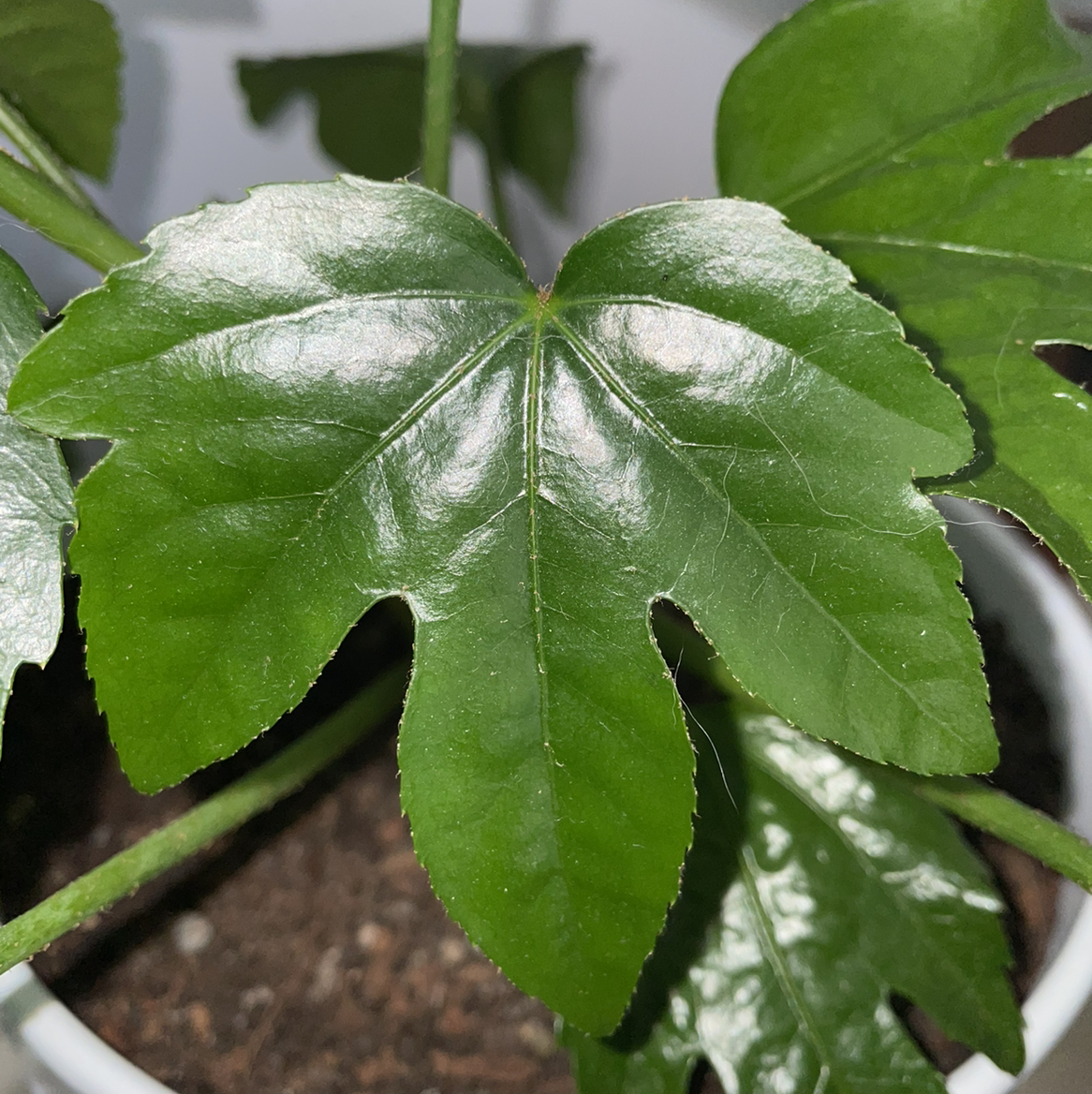
Fatsia Plant is a bold, architectural shrub that produces large, deeply lobed leaves, and it needs a soil that can support that kind of vigorous foliar growth. In its native Japanese coastal forests, it grows in deep, humus-rich soils that are consistently moist but rarely waterlogged. The fibrous root system is well-developed and explores a wide area, pulling moisture and nutrients from the surrounding soil.
For container-grown Fatsia, a rich potting mix with added compost gives the fertility the plant needs to produce those large leaves, while perlite ensures water moves through rather than sitting around the roots. Standard potting mix alone can work but tends to compact over time and may not hold enough nutrients for a Fatsia's appetite. The compost addition provides slow-release nutrition and improves moisture retention without making the mix heavy.
For in-ground plants in zones 8a through 10b, native soil often works well with some compost worked in, particularly in clay-heavy areas where drainage needs improvement. Fatsia is more tolerant of heavy, moist soils than many shrubs, but it still performs best when roots aren't sitting in standing water after rain. A pH on the slightly acidic side suits it well, reflecting the naturally acidic forest soils of its native range.
What Soil Mix Should I Use for My Fatsia Plant?

What pH Does My Fatsia Plant Need?
Fatsia Plant prefers a slightly acidic pH between 5.5 and 6.5, which reflects the naturally acidic organic soils of its native coastal forests. Within this range, it absorbs nutrients efficiently and maintains the deep green color those large leaves are known for. An inexpensive pH meter or test strips from a garden center will give you a quick reading from moistened soil near the root zone.
When pH climbs above 7.0, Fatsia often shows yellowing between the leaf veins, a sign that iron and manganese are becoming less available in the more alkaline conditions. Extended alkalinity can also slow the plant significantly and reduce the lush growth you'd expect from a healthy specimen. Below 5.0, toxicity from available aluminum and manganese can damage roots and cause browning at the leaf margins. Most quality potting mixes start within an acceptable range, but regular checking helps catch drift as the mix ages.
When Should I Replace My Fatsia Plant's Soil?
Fatsia Plant is a vigorous grower, especially when kept in good light indoors or planted in a sheltered outdoor spot. Plan to repot container plants every 1 to 2 years, replacing the potting mix with fresh material at each repotting. The compost and organic components in the mix break down over time, compacting and losing their drainage properties, which reduces the aeration the roots depend on.
For in-ground plants, soil refresh happens naturally through annual top-dressing with compost around the root zone. This mimics the decomposing leaf litter of Fatsia's natural forest habitat and keeps the soil biology active. Spring is the ideal time to repot or top-dress, just before the plant's main growth flush. Watch for any soil that has crusted or pulled away from pot edges, which signals the organic matter has broken down significantly.
How Do I Prepare Garden Soil for a Fatsia Plant?
Fatsia Plants are understory shrubs that thrive in rich, moist soil with good drainage. Their large, glossy leaves need a steady supply of water and nutrients from the ground, but standing water around the roots causes trouble.
Amend clay soil with compost and coarse bark to improve drainage while keeping things moist. Sandy soil dries out too quickly for Fatsia, so work in plenty of compost and leaf mold to hold moisture. A shaded or partially shaded spot with deep, humus-rich soil is where this plant really shines.
Got More Questions?
About This Article
