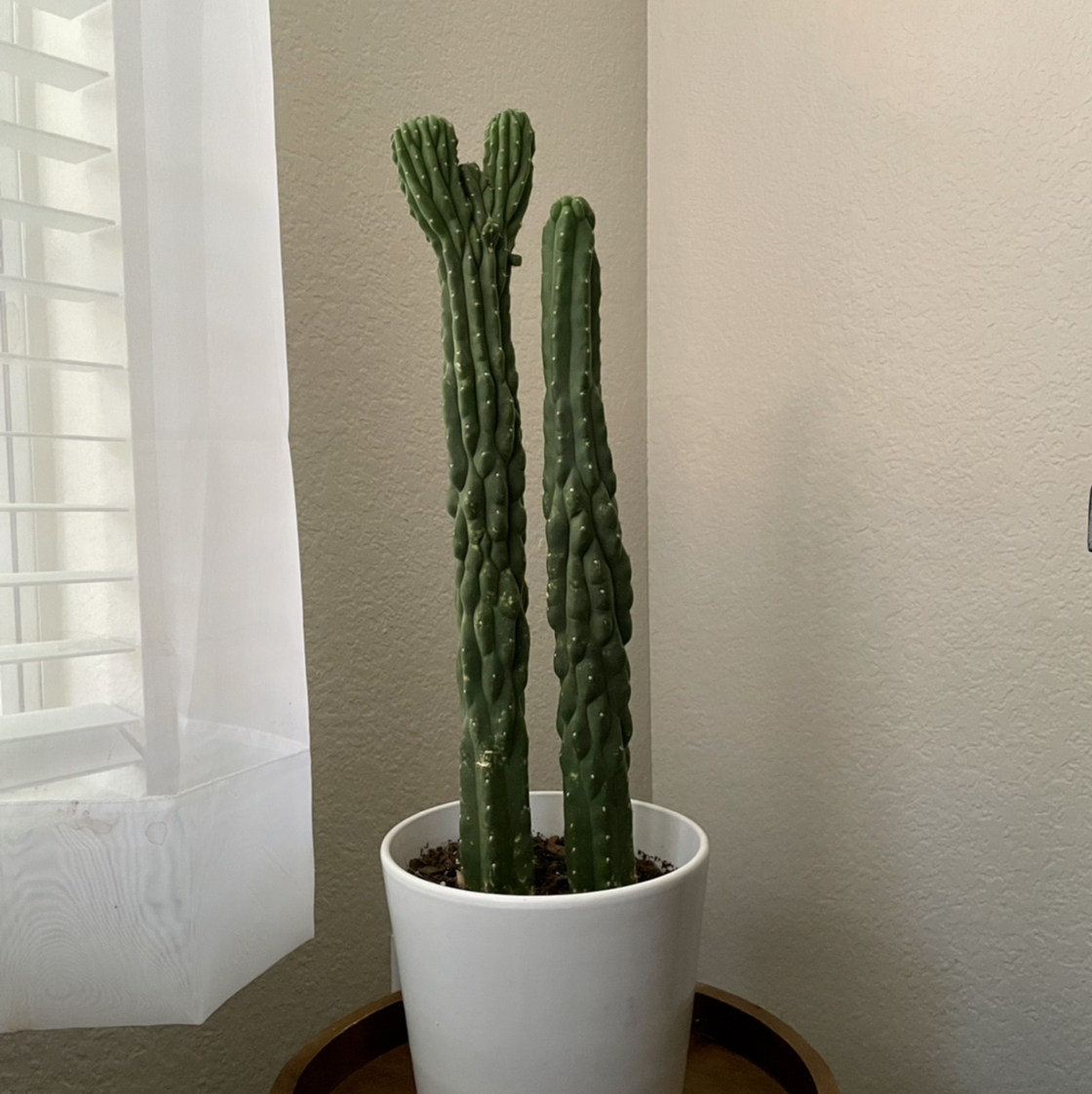
Best Soil for San Pedro Cactus
What Soil Does a San Pedro Cactus Need?
San Pedro cactus (Trichocereus macrogonus var. pachanoi) is native to the Andes of South America, where it grows in rocky, well-drained mountain soils with low organic matter and excellent drainage. Despite its tall, fast-growing columnar habit, it shares the same soil fundamentals as all cacti: dry roots between waterings, gritty texture, and near-zero tolerance for waterlogged conditions.
San Pedro is one of the faster-growing columnar cacti, capable of adding 12 or more inches per year under good conditions. This higher growth rate means it benefits from slightly more organic matter than smaller desert cacti , enough to hold some nutrients for its large, actively growing body , but drainage still dominates the soil requirements.
A standard cactus and succulent mix is a reasonable base, but most commercial cactus mixes are too heavy with peat or coco coir for an Andean columnar cactus. Amend heavily with perlite (30–40% of the total mix) or pumice to create the sharp drainage needed. A mix that drains in seconds and is fully dry within 2–3 days after watering is the target. Pumice is especially good for large, heavy columnar cacti because it also provides mineral micronutrients and doesn't compact over time the way perlite can.
For very large specimens in containers, the weight of the mix matters , pumice and perlite-heavy mixes are lighter than sand-heavy alternatives, which matters when you're dealing with a cactus that can reach 6 feet in a large pot. In any case, coarse particles are key: the mix should have visible texture, not feel like smooth mud when wet.
What Soil Mix Should I Use for My San Pedro Cactus?

What pH Does My San Pedro Cactus Need?
San Pedro cactus grows well in soil with a pH of 6.0–7.5, tolerating near-neutral to very slightly alkaline conditions better than most houseplants. This reflects its Andean habitat, where volcanic and rocky soils often trend toward neutral pH. An inexpensive soil pH meter or test strips will give you a reliable reading in a few seconds with moistened mix.
When pH rises above 8.0, iron becomes unavailable and the tips of the ribs may develop a yellowing or orange discoloration rather than the healthy blue-green color of well-grown specimens. Below 5.5, the soil becomes too acidic and can interfere with calcium uptake, which is important for structural integrity of the cactus body. Most commercial cactus mixes start in the right pH range and hold it well.
When Should I Replace My San Pedro Cactus's Soil?
Because San Pedro grows faster than most cacti, it tends to outgrow its pot on a 2–3 year cycle. When repotting is needed, it's a good opportunity to refresh the soil entirely rather than just sizing up the container. Mineral-heavy mixes hold up better than organic ones, so the mix may last 2–4 years before drainage noticeably declines.
The best time to repot San Pedro is in spring or early summer when the plant is entering its active growing season. Wear thick gloves , the spines are short but numerous and sharp. After removing from the pot, let the roots air-dry for 24–48 hours before repotting into fresh mix. This brief drying period helps any root tears seal before the mix is applied. Use a pot that allows about 2 inches of space around the root mass , too large a pot holds excess moisture and increases rot risk.
What Soil Amendments Does a San Pedro Cactus Need in the Ground?
San Pedro Cactus is a columnar cactus from the Andes that grows faster than most cacti and can handle more moisture than you might expect. Still, good drainage is essential to keep the roots healthy, especially during cooler months.
In clay soil, mix in coarse sand, perlite, and gravel generously until the soil drains quickly after watering. Sandy soil is a great starting point for San Pedro. Just add a moderate amount of compost to fuel its relatively fast growth. A sunny, open spot with soil that dries within a day or two of rain will keep this cactus thriving.
Got More Questions?
About This Article

Royal Horticultural Society