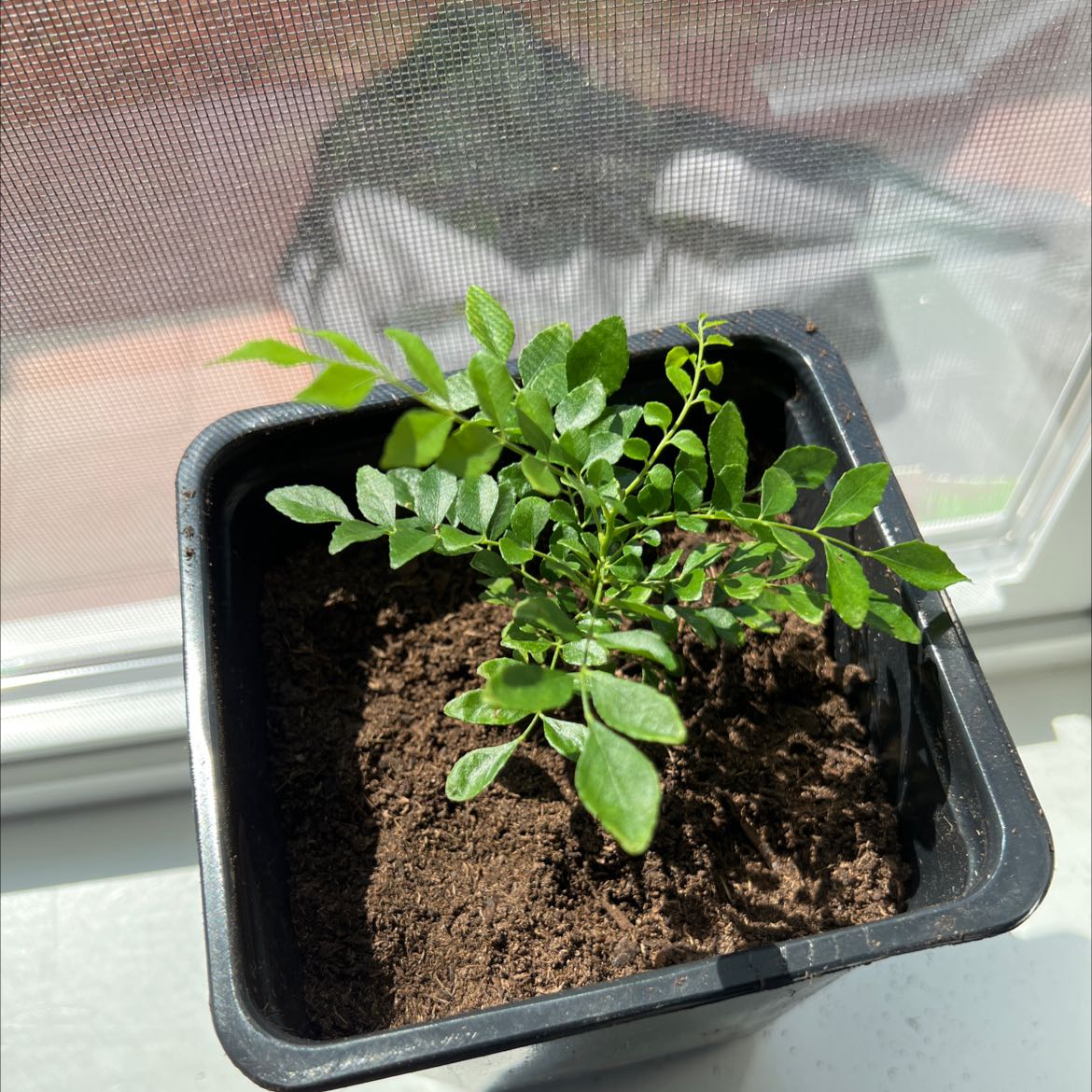
Best Soil for Curry Tree
What Soil Does a Curry Tree Need?
Native to tropical and subtropical Asia, Curry Tree grows in warm climates where soils are typically loamy and well-drained. It is not tolerant of wet, heavy soils — its roots need good oxygen flow and will rot in compacted or waterlogged conditions. Think of it as similar in soil needs to citrus or other tropical fruit trees.
Curry Tree does well in a loamy, moderately fertile mix that holds enough moisture for steady growth but never becomes waterlogged. In containers, a quality potting mix blended with coarse sand or perlite is a reliable base. The sand improves drainage and prevents the mix from compacting over time, which can suffocate roots in a container plant that may stay in the same pot for years.
Organic matter in the form of aged compost adds slow-release nutrients and improves water retention just enough to support the tree during active growth in warm months. Curry Tree is a light to moderate feeder compared to heavy fruiting trees, so extremely rich mixes are not necessary — a balanced, loamy blend is ideal.
Avoid mixes designed for water-loving plants or those with moisture-retaining crystals. The goal is soil that drains well enough that the pot does not stay soggy after watering, while still supplying consistent nutrition through the growing season.
What Soil Mix Should I Use for My Curry Tree?

What pH Does My Curry Tree Need?
Curry Tree prefers a slightly acidic soil pH in the range of 5.5–6.5. This is similar to citrus and reflects the naturally slightly acidic tropical soils of its Asian home range. You can check the pH with a meter or test strips from any garden center — especially useful before planting in a container where you can control the mix from the start.
If pH rises above 7.0, the tree may develop interveinal chlorosis — the leaves turn pale yellow while the veins remain green, a classic sign of iron deficiency that pH has locked out of availability. Dropping below 5.0 can cause manganese toxicity and stunted growth. Maintaining the slightly acidic sweet spot keeps the tree's distinctive aromatic leaves healthy and productive.
When Should I Replace My Curry Tree's Soil?
Repot container Curry Trees every 2–3 years or when roots begin circling the bottom of the pot or pushing through drainage holes. The organic components of the mix break down over time, reducing drainage and fertility. A mix that once drained quickly but now stays moist for days is ready to be replaced.
Spring is the best time to repot, as the tree enters its main growth cycle. Curry Tree can eventually become quite large in a container, so progressively larger pots over the years are necessary. At each repotting, remove old compacted soil, trim dead roots, and replace with fresh mix to keep the root system healthy.
How Do I Prepare Garden Soil for a Curry Tree?
Curry Trees have a deep taproot and prefer well-drained, slightly acidic soil with good fertility. Native to the forests of South and Southeast Asia, they are used to rich, loamy ground that does not stay waterlogged.
For clay soil, dig deep and amend with compost, coarse sand, and bark to give the taproot room to grow without hitting a compacted layer. Sandy soil benefits from generous compost and a layer of organic mulch to hold moisture and slowly release nutrients. A warm, sunny spot with protection from strong wind keeps the aromatic leaves growing vigorously.
Got More Questions?
About This Article
