Best Soil for Watermelon
What Soil Does Watermelon Need?
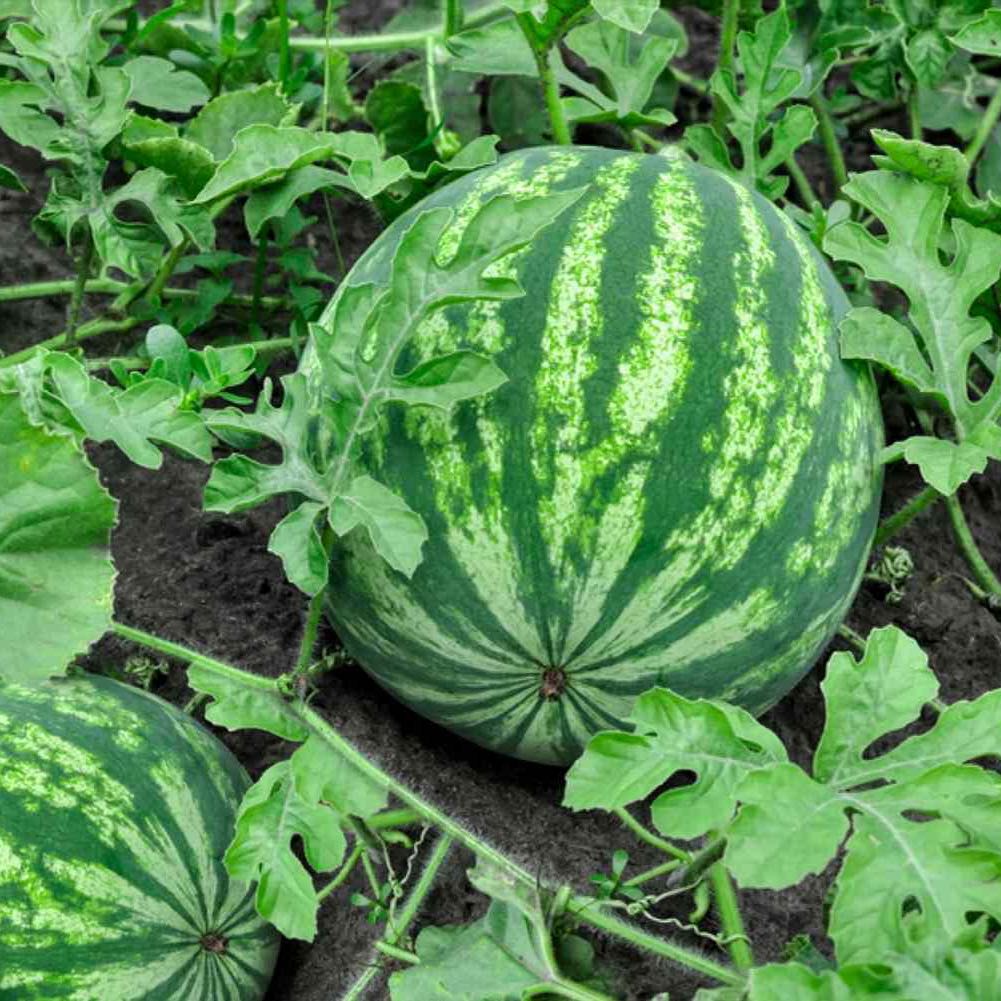
Watermelon is a spreading annual vine from Africa that develops an extensive root system reaching deep into warm soil. It needs a balance that leans toward drainage and aeration — roots sitting in wet, heavy soil rot quickly, but the plant also needs steady moisture reserves to swell those fruits.
Watermelon is a heavy feeder that rewards well-prepared garden beds. The ideal soil is loose and sandy enough to warm up quickly in spring and drain away excess rain, but rich enough in organic matter to supply nutrients across a long growing season. Standard garden soil that compacts easily or stays soggy will stunt vines and invite root diseases.
Adding aged compost does double duty: it lightens clay soils and helps sandy soils hold onto moisture and fertility. Coarse sand or perlite opens up compaction further. Watermelon roots can run several feet deep, so loosening the bed to at least 12 inches before planting makes a real difference in yield.
Avoid using fresh manure or nitrogen-heavy fertilizers at planting time — too much nitrogen pushes leafy vine growth at the expense of fruit set. A balanced, slow-release fertilizer worked into the bed before planting is the right call.
What Soil Mix Should I Use for My Watermelon?

What pH Does My Watermelon Need?
Watermelon prefers a slightly acidic to neutral pH in the 6.0–6.8 range. In this window, nutrients like nitrogen, phosphorus, and iron are readily available to the roots. You can check your bed's pH with an inexpensive meter or test strips from any garden center before planting — it takes just a minute and saves a lot of guesswork.
If the pH climbs above 7.0, watermelon leaves may show interveinal yellowing as iron becomes less available. Below 5.5, aluminum and manganese can reach toxic levels, stunting plants and causing poor fruit set. Getting the pH right before you transplant seedlings is much easier than trying to adjust it mid-season.
When Should I Replace My Watermelon's Soil?
As an annual, watermelon depletes garden bed nutrients heavily over a single season. The soil itself does not break down the way a potting mix does, but fertility and structure need attention every year. After harvest, work in a generous layer of compost to replenish organic matter and improve texture.
Practice crop rotation — do not plant watermelon or other cucurbits in the same bed two seasons in a row. Disease spores and soil-borne pathogens (like Fusarium wilt) accumulate in soil where the same family has grown repeatedly. Rotating also helps the soil recover its natural nutrient balance.
How Do I Prepare Garden Soil for Watermelon?
Watermelon vines send roots deep and wide, and they need warm, loose, nutrient-rich soil to produce full-sized fruit. The ground should drain well but have enough body to hold moisture during the long growing season.
Amend clay soil with compost and coarse organic matter to break up compaction and warm the soil faster in spring. For sandy soil, work in plenty of compost and aged manure to boost water retention and provide the heavy feeding watermelons demand. Plant in the sunniest, warmest spot available, and consider building raised mounds to improve drainage and soil warmth.
Got More Questions?
About This Article
