Best Soil for Calamondin
What Soil Does a Calamondin Need?
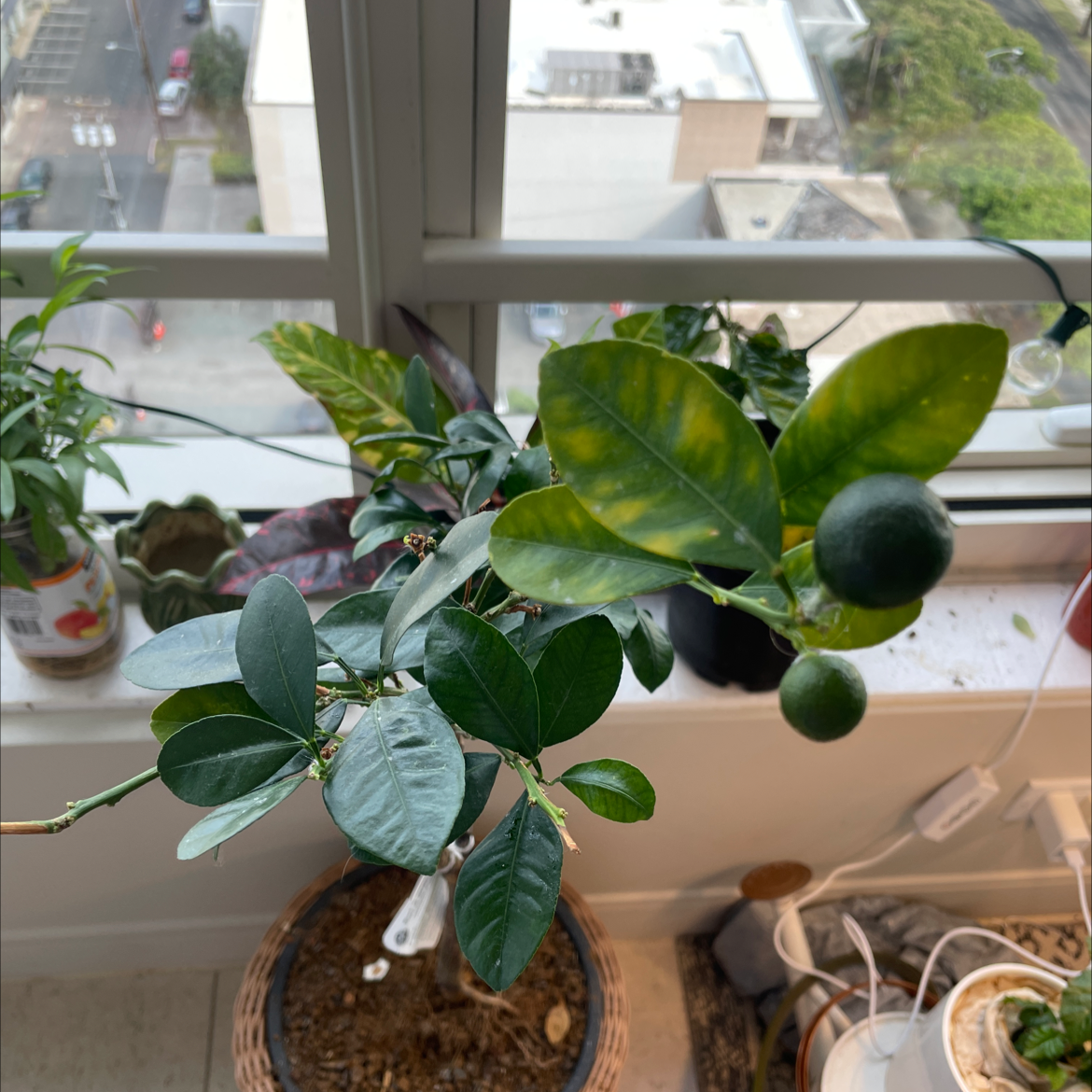
Calamondin is a small citrus hybrid that performs best in well-draining, moderately fertile soil that stays on the slightly acidic side. Like all citrus, its roots are sensitive to standing water and compaction, which quickly leads to root rot and leaf drop. The soil needs to drain freely after each watering while retaining just enough moisture and nutrients to support fruiting nearly year-round.
Calamondin is a productive small citrus tree that bears fruit almost continuously indoors, which means it's constantly pulling nutrients and moisture from its growing medium. Its fibrous root system is relatively fine and sensitive to poor drainage, so the mix has to strike a balance between holding enough moisture to support that ongoing fruiting and draining freely enough to avoid root rot.
Commercial citrus potting mixes are formulated specifically for this balance and are a great starting point. They typically include a blend of bark, perlite, and potting soil that drains faster than standard indoor mixes. If you can't find a dedicated citrus mix, a quality cactus and succulent mix blended with potting soil and perlite gives you a similar result. The goal is a mix where water moves through within about 10 to 15 seconds of pouring, not a mix that holds water like a sponge.
Avoid mixes with added moisture-retaining gels or beads, which are found in some all-purpose indoor potting soils. These are the opposite of what citrus roots need. Also avoid very heavy, compacted soils, since Calamondin roots need consistent oxygen at the root zone to stay healthy and support fruiting. If your mix has been in the pot for more than two years, it's likely compacted and worth refreshing even if the plant looks okay.
What Soil Mix Should I Use for My Calamondin?

What pH Does My Calamondin Need?
Calamondin, like all citrus, grows best in slightly acidic soil with a pH between 5.5 and 6.5. In this range, nutrients like nitrogen, iron, and zinc are readily available and the plant can absorb them efficiently to support its near-continuous fruiting. You can check your soil's pH with an inexpensive meter or test strips. Insert the probe into moistened soil near the root zone for an accurate reading.
When pH climbs above 7.0, Calamondin often develops chlorosis, yellowing leaves with green veins, as iron absorption is blocked in alkaline conditions. This is one of the most common problems with container citrus and it's largely a soil and watering issue rather than a lack of fertilizer. Below 5.0, excessive acidity can cause root damage and reduced nutrient uptake, showing up as leaf drop and pale, small new growth. Regularly checking pH and using citrus-specific fertilizer, which is formulated for acidic soil needs, helps keep the growing medium in the right range over time.
When Should I Replace My Calamondin's Soil?
Calamondin is a year-round fruiter that taxes its soil consistently, so plan to repot and refresh the soil every 2 to 3 years for container-grown plants. Over time, organic bark components break down into a denser material that drains more slowly, and salt from fertilizers accumulates in the mix. Both issues stress the root system and reduce the plant's ability to absorb nutrients efficiently.
Spring is the ideal time to repot, before the main flush of new growth and flowering. Remove the plant from its container, shake off as much old soil as possible, inspect roots for any soft or brown sections, and replant in fresh citrus or cactus mix. Choose a pot only slightly larger than the root ball, since oversized containers hold more moisture than the roots can use quickly, increasing rot risk.
How Do I Prepare Garden Soil for a Calamondin Tree?
Calamondin trees are small citrus that need well-drained, slightly acidic soil with steady access to nutrients. Like all citrus, they hate wet feet but drink heavily during fruiting, so the soil needs to strike a balance.
Amend clay soil with compost, coarse sand, and bark to improve drainage and prevent root rot. Sandy soil lets water and fertilizer wash through too fast, so work in compost and a little aged manure to add body. A warm, sunny planting spot with loamy soil that drains within a few minutes after watering is ideal for keeping the fruit coming.
Got More Questions?
About This Article
