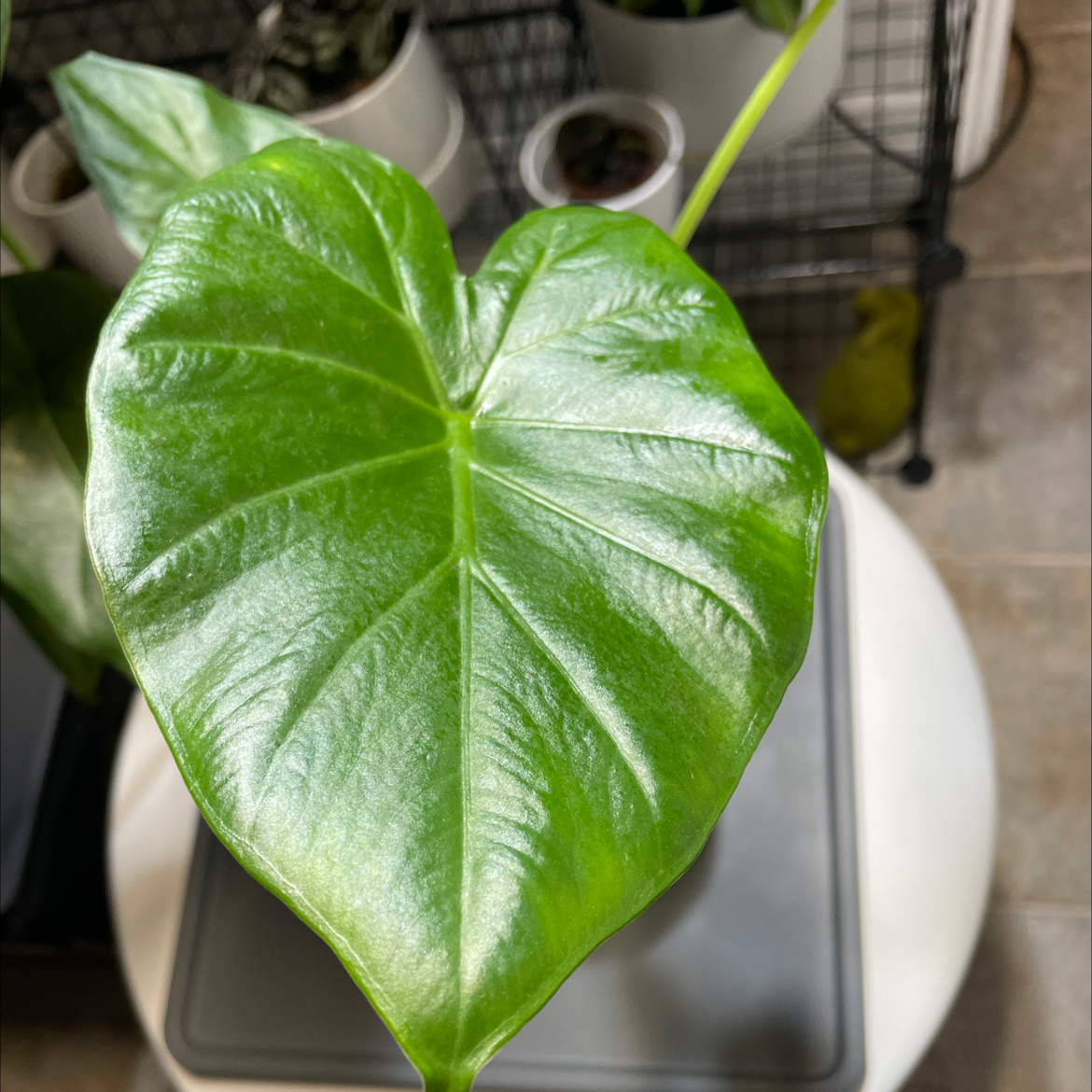
Best Soil for Chinese Taro
What Kind of Soil Does a Chinese Taro Need?
Alocasia cucullata is native to tropical and subtropical Asia, where it grows along streams, in forest clearings, and in seasonally moist areas with rich, humus-laden soil. It prefers consistent moisture at the roots but is still susceptible to root rot in compacted or perpetually waterlogged conditions. The goal is a rich mix that stays evenly damp rather than wet.
Chinese Taro is an aroid, and like most members of that family it grows from a corm and produces fibrous roots that appreciate both moisture and oxygen. Standard potting soil tends to compact over time, reducing the air circulation these roots need. Amending with perlite and compost gives the roots a looser, more forgiving environment.
Compost is particularly valuable for Chinese Taro because it mimics the decomposing organic matter these plants grow through naturally. It also helps the mix hold moisture more evenly, releasing it gradually rather than sitting wet in layers. Perlite keeps the overall texture open and prevents the compost from turning the mix into a dense, slow-draining block.
Chinese Taro grows vigorously when conditions are right and can become root-bound fairly quickly. A well-structured mix that stays airy even when packed with roots makes a meaningful difference to long-term plant health. Avoid mixes with a lot of coarse bark, as bark-heavy aroids mixes dry unevenly and this plant prefers more consistent moisture than something like Monstera.
What Soil Mix Should I Use for My Chinese Taro?

What pH Does My Chinese Taro Need?
Chinese Taro grows well across a moderate pH range of 5.5 to 7.0, with slightly acidic conditions around 6.0 to 6.5 being ideal. This range keeps the macro and micronutrients the plant needs for its large, glossy leaves available without lockout. Test your mix with a pH meter or garden center test strips, especially if you are mixing amendments from different sources.
When pH rises significantly above 7.0, Alocasia plants commonly show interveinal chlorosis, where the leaf tissue between the veins turns yellow while the veins stay green. Below 5.0, root function is impaired and the plant grows slowly regardless of watering and fertilizer. Because Chinese Taro prefers consistent moisture, it is also sensitive to salt buildup from tap water and fertilizer, which gradually raises soil pH over time. Flushing the pot with plain water periodically helps manage this.
When Should I Replace My Chinese Taro's Soil?
Chinese Taro grows at a moderate to fast pace and can exhaust the nutrients in its potting mix within 12 to 18 months. The organic components of the mix also break down over time, compacting the texture and reducing drainage. Plan to repot every one to two years, moving up one pot size when roots start emerging from drainage holes.
Spring is the best time to repot because the plant is entering active growth and will recover from root disturbance quickly. Shake off as much of the old mix as possible and start fresh. This is also a good opportunity to inspect the corm and remove any soft or discolored sections before repotting.
How Do I Prepare Garden Soil for Chinese Taro?
If you're planting Chinese Taro outdoors in a warm climate, its roots love rich, consistently moist soil with plenty of organic matter. This Alocasia is a moisture lover that does not tolerate drying out, so the soil needs to hold water without becoming compacted.
For clay soil, mix in compost, aged bark, and a bit of perlite to keep the texture open while retaining the moisture-holding properties that this plant actually benefits from. Sandy soil needs serious amending with compost, leaf mold, and coco coir to prevent it from drying out too fast between waterings. Choose a sheltered, partially shaded spot that stays damp, and mulch well to lock in moisture.
Got More Questions?
About This Article

Royal Horticultural Society