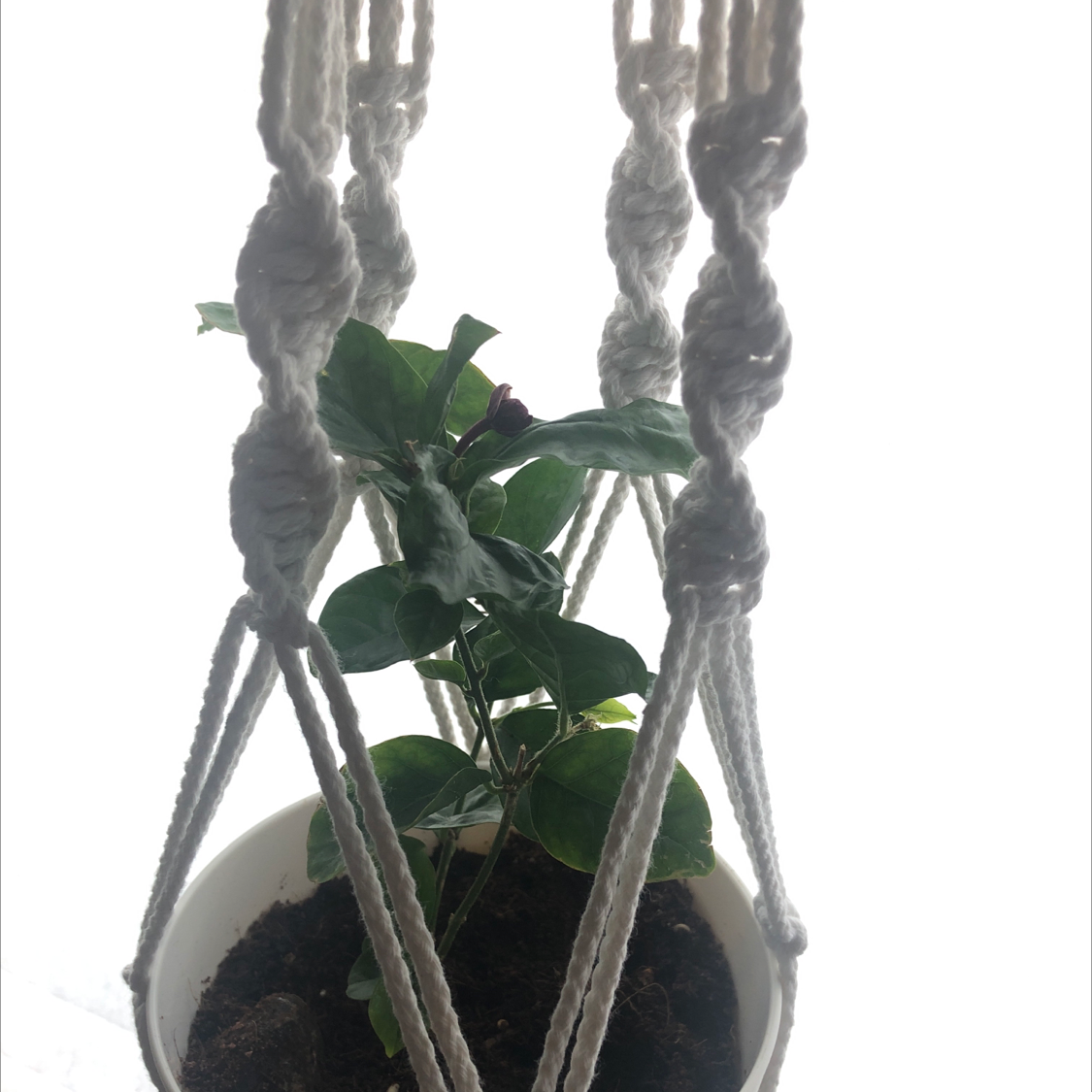
Best Soil for Arabian Jasmine
What Soil Does Arabian Jasmine Need?
Native to tropical Asia, Arabian Jasmine grows naturally in warm, humid climates with loamy, moderately rich soils that drain well between rains. It needs consistent moisture to fuel its heavy flowering, but sitting in wet, poorly drained soil quickly causes root decline. The ideal balance is moist but never soggy, with good fertility to support all that fragrant growth.
Arabian Jasmine is a vigorous, fragrant vine and shrub that puts a lot of energy into producing flowers, so it needs a soil that can fuel that growth. The roots are moderately fibrous and prefer a loamy, fertile mix rather than heavy clay or very sandy, nutrient-poor soil. Standard potting mix is a reasonable starting point for containers but benefits from the addition of compost to improve nutrient content and moisture retention.
Drainage is important because waterlogged roots quickly develop rot, especially in containers where water has nowhere to go. Adding perlite to any mix you use ensures that excess water moves through freely and air can reach the root zone between waterings. Avoid mixes with slow-draining amendments like fine vermiculite as the primary additive, since these can hold moisture too tightly for this plant.
For container-grown plants, a premium potting mix blended with compost and perlite gives Arabian Jasmine everything it needs: nutrients from the compost, moisture retention from the potting mix base, and drainage from the perlite. Replenishing the top layer of compost annually helps maintain fertility without the need for heavy fertilizer applications.
What Soil Mix Should I Use for My Arabian Jasmine?

What pH Does My Arabian Jasmine Need?
Arabian Jasmine grows best in a soil pH between 6.0 and 7.0, a range that covers slightly acidic to neutral conditions. Within this window, the plant can readily absorb nitrogen, phosphorus, and the micronutrients it needs to produce its famously fragrant flowers. Use an inexpensive soil pH meter or test strips from a garden center to check your mix before planting and again once a year.
When pH drifts above 7.5, the jasmine often shows chlorosis, pale yellowing leaves with darker green veins, because iron and manganese become less available in alkaline conditions. Very acidic soil below 5.5 can release aluminum and manganese at levels that become toxic to the roots, causing stunted growth and poor blooming. Keeping pH within range is one of the simplest things you can do to keep this plant flowering well.
When Should I Refresh My Arabian Jasmine's Soil?
For container-grown Arabian Jasmine, plan to refresh the soil or repot every 1 to 2 years. This plant is a vigorous grower and quickly fills its pot with roots, exhausting soil nutrients and causing compaction. Compressed soil drains poorly and restricts airflow, both of which stress the plant and reduce flowering.
Spring is the best time to repot, just before the plant enters its main flowering period. When you do refresh the soil, gently tease away as much of the old mix as possible from the roots and replant in a pot just one size larger with fresh mix. Adding a slow-release fertilizer to the new mix gives it a nutritional head start for the blooming season ahead.
How Do I Amend Garden Soil for Arabian Jasmine?
Arabian Jasmine comes from tropical Asia where it grows in warm, humid conditions with rich, loamy soil. Its roots want steady moisture and good nutrition to fuel those intensely fragrant blooms.
Clay soil needs compost and coarse bark worked in to break up compaction and let water drain without pooling. Sandy ground loses moisture and nutrients too quickly, so mix in compost and a little well-rotted manure to give it substance. Plant in a sunny, warm spot where the soil stays evenly moist. The richer the ground, the more flowers you will get.
Got More Questions?
About This Article
