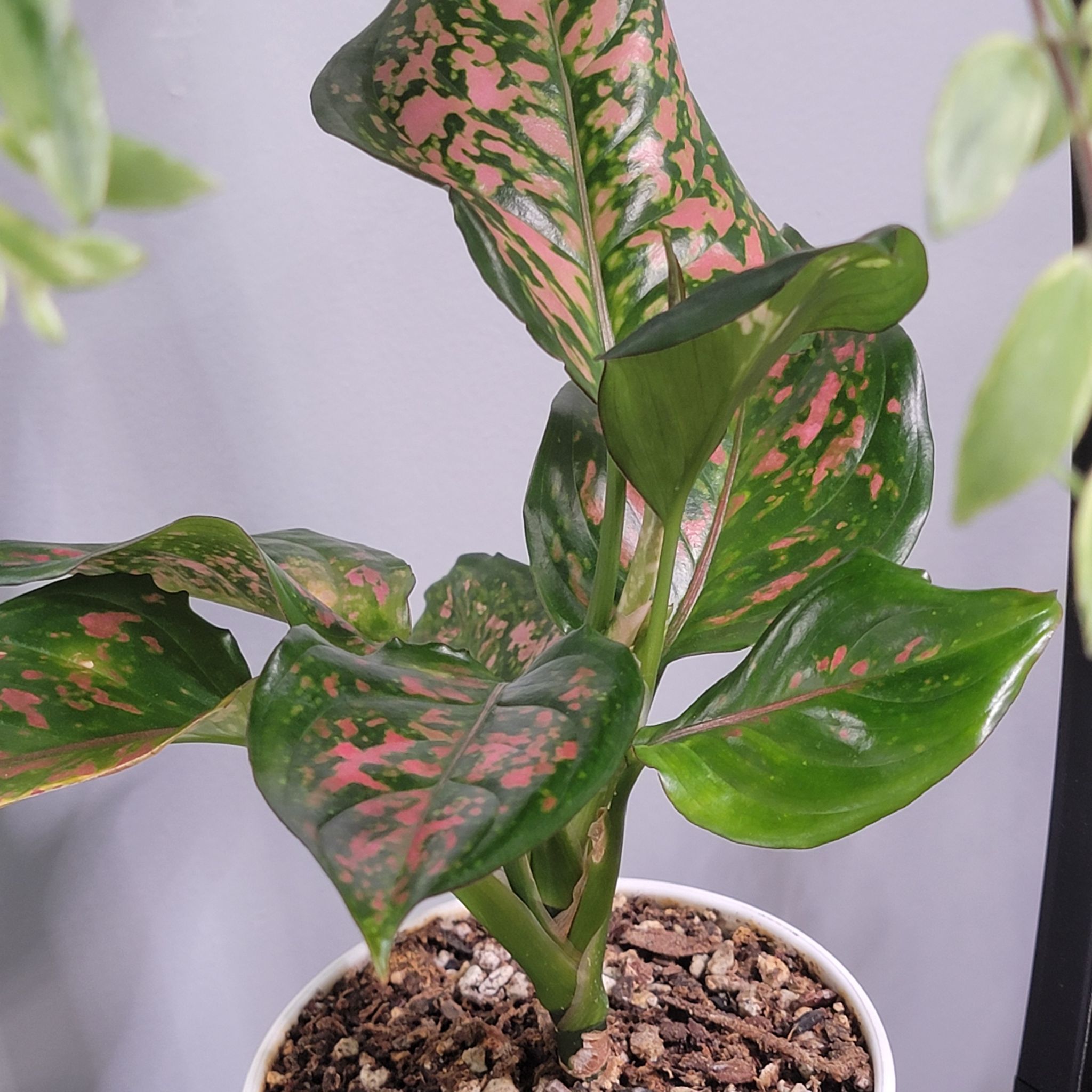
Best Soil for Chinese Evergreen 'Wishes'
What Soil Does Chinese Evergreen 'Wishes' Need?
Aglaonema is native to the tropical forests of Southeast Asia and New Guinea, where it grows in the shaded understory in rich, humus-y soil that drains but also holds some moisture. As a cultivar, 'Wishes' shares those same preferences: it wants a well-structured mix that stays moist without becoming waterlogged.
Chinese Evergreen 'Wishes' is a moderately easy houseplant with flexible soil preferences, but it performs best in a mix that balances moisture retention with good drainage. Its fibrous root system dislikes both complete drought and prolonged soggy conditions. A standard potting mix is a reasonable starting point, but most commercial mixes are formulated to hold moisture for longer than Aglaonema actually needs.
Adding perlite is the most effective way to improve drainage. About 20–30% perlite in the mix creates air channels that allow water to move through the root zone rather than stagnating. Some growers also add a bit of coarse bark, which improves texture and prevents compaction. Avoid very dense or peat-heavy mixes that dry out in a crust on top but stay wet underneath, which can lead to root rot while the plant looks thirsty on the surface.
Because 'Wishes' has striking variegated and pink-toned foliage that is part of its appeal, keeping the soil healthy is worth the small effort of choosing the right mix. Poor drainage or compacted soil shows up first in slow growth and then eventually in yellowing lower leaves.
What Soil Mix Should I Use for My Chinese Evergreen 'Wishes'?

What pH Does My Chinese Evergreen 'Wishes' Need?
Chinese Evergreen 'Wishes' prefers slightly acidic soil in the 5.6–6.5 range. This is consistent with the naturally acidic tropical forest soils of its native habitat and supports efficient nutrient uptake. An inexpensive soil pH meter or test strip from a garden center is all you need to verify your mix's pH.
When pH rises above 7.0, Chinese Evergreen may develop pale, washed-out leaves or interveinal yellowing as iron and manganese uptake decreases. If pH falls below 5.0, the roots can be damaged by excess acidity. Most quality potting mixes fall within the acceptable range, so active pH management is usually only necessary when the plant shows unexplained nutrient symptoms.
When Should I Replace My Chinese Evergreen 'Wishes' Soil?
Chinese Evergreen 'Wishes' benefits from repotting every 1–2 years in spring. Over time, organic potting mixes compact and decompose, losing their structure and draining more slowly. A dense, compacted mix is harder to water correctly and is more likely to cause root rot than a fresh, open one.
This plant doesn't need a dramatically larger pot at each repot, moving up one size is enough. When you repot, gently shake off old mix from the roots and inspect them for any soft or rotted sections before planting into fresh soil. The new mix gives the plant a nutrient reset and restores good drainage for another growing cycle.
How Do I Prepare Garden Soil for Chinese Evergreen 'Wishes'?
If you are planting Chinese Evergreen 'Wishes' outdoors in a warm climate, its roots want loose, well-draining soil with plenty of organic matter. This plant naturally grows on the forest floor where the soil is rich but never compacted or waterlogged.
In clay soil, dig a wide hole and mix in compost, bark fines, and perlite to create a light, airy bed. For sandy soil, add compost and leaf mold so the roots have moisture and nutrients to draw from. A shaded garden bed with protection from direct sun and wind will keep the colorful foliage looking fresh.
Got More Questions?
About This Article
