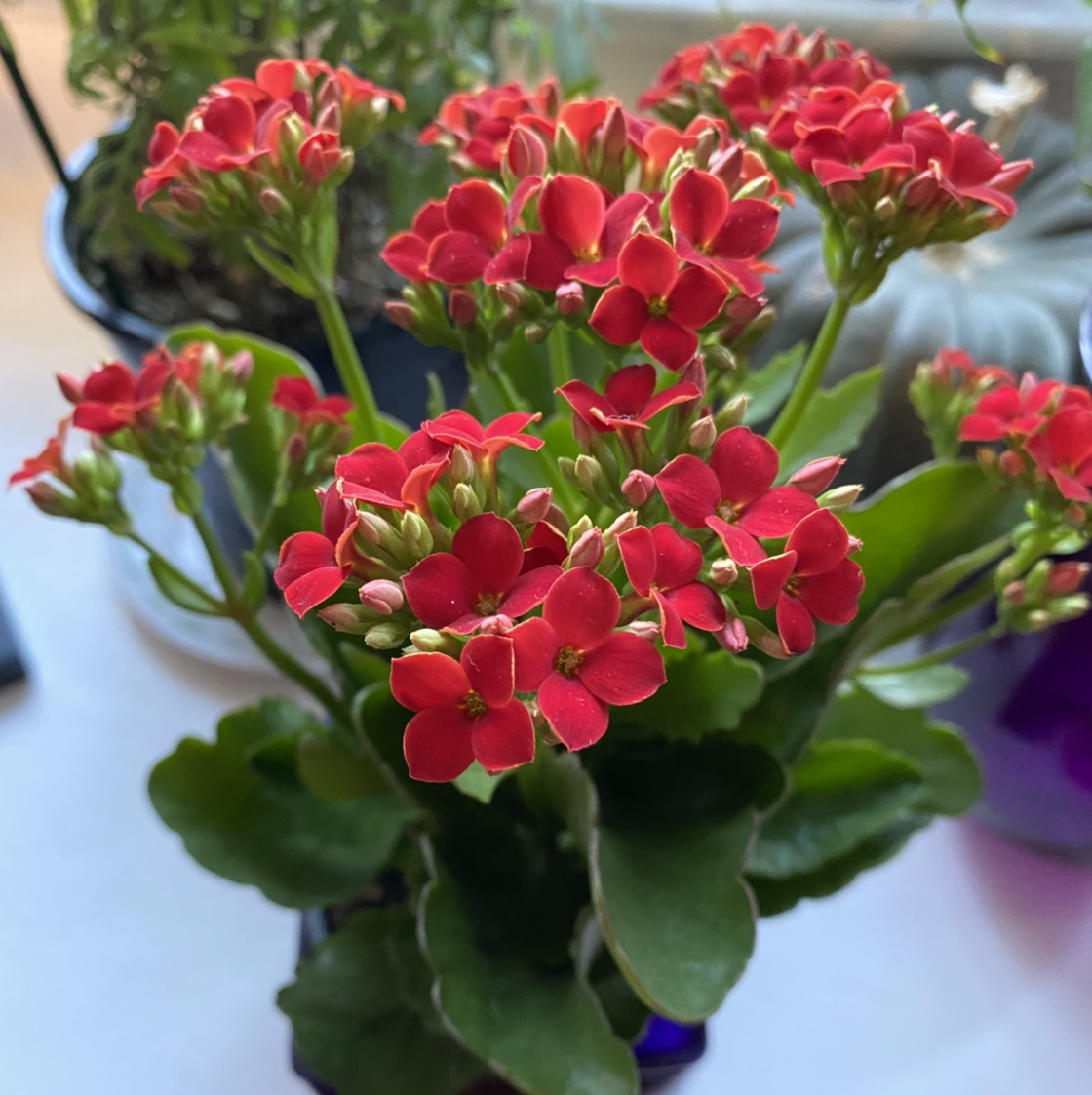
When to Repot a Florist Kalanchoe
Most Florist Kalanchoes want a fresh pot every three to four years. Move into a container only one to two inches wider than the current one in spring, right after the flowers fade, and use a fast-draining cactus or succulent mix with extra perlite.

How to Know It's Time to Repot
Florist Kalanchoe is a slow-growing flowering succulent that handles a snug pot just fine, so the three-to-four-year cadence is a starting point rather than a strict rule. The plant itself gives you a few clear signals when the roots have truly run out of room.
-
1Roots are visible at the drainage holes or have started lifting the plant out of the pot.
-
2The plant has roughly doubled in size since you last potted it up.
-
3Soil dries out within a day of watering, even in cool weather.
-
4Lower leaves drop more often than usual and stems have started to look woody and bare at the base.
Acting on even one or two of these signs is enough to know the pot is too small, since a slow grower like this rarely shows more than a couple at once. The best moment to actually do the repot is right after the last flower fades, which gives the plant fresh energy for new leaves and stems before the next bloom cycle kicks in.
The Best Time of Year to Repot
Spring through early summer is the sweet spot for repotting Florist Kalanchoe, ideally just after the late winter and early spring bloom cycle has finished. Longer days mean stronger indoor light, which helps the plant recover quickly and push out fresh leaves. Avoid repotting during active flowering or the peak of summer heat, since both stress the plant more than the move itself. The ideal window shifts a bit depending on your latitude, so use the map below to find yours.

How to Choose a Pot and Soil Mix
Pot Size
Move up by one to two inches in diameter, no more than that. Florist Kalanchoe has a shallow, modest root system relative to its bushy top, and any extra wet soil around small roots is the leading cause of rot in this plant. A 5-inch pot suits a young Kalanchoe nicely, while an 8-inch pot fits a mature plant comfortably for years. Width matters more than depth here, since the roots stay close to the surface rather than diving down.
Pot Material
Terracotta is the most forgiving choice for Florist Kalanchoe. Its porous walls wick moisture outward, so the soil dries evenly between waterings and the rot-prone roots get a chance to breathe. Glazed ceramic and plastic also work as long as you let the soil dry fully between drinks, but they're less forgiving for anyone who tends to overwater. Whichever you pick, the pot needs at least one drainage hole.
Soil Mix
A simple recipe of equal parts cactus mix, coarse perlite, and a handful of pumice or fine gravel works beautifully. Florist Kalanchoe evolved in the rocky highlands of Madagascar, so its roots want a gritty, fast-draining mix that mimics the lean, well-aerated soil of its native habitat. Skip moisture-control and standard potting formulas, since both stay wetter than this succulent can handle and are the main cause of root rot.
How to Repot a Florist Kalanchoe, Step by Step
-
1Water two to three days before. Give the plant a light drink a few days ahead of the repot so the root ball holds together instead of crumbling apart. You want the soil lightly moist but the leaves and stems on the dry side, since the thick succulent leaves bruise easily when they're plump with water.
-
2Squeeze, tip, slide. Squeeze the sides of the pot to loosen the root ball, tip it sideways, and ease the plant out by holding the base of the main stem. Never pull by the flower stalks or the top leaves, since Florist Kalanchoe stems bruise and snap right at the soil line.
-
3Inspect and trim. Shake off the old soil so you can see the roots clearly, then trim away anything dark or mushy with clean scissors. Healthy roots are pale, firm, and stringy. If you spot any rotten lower stem tissue, cut back to firm green stem and let the cut surface dry in the air for an hour or two before going any further.
-
4Set at the same depth. Add an inch or two of fresh mix to the bottom of the new pot, then settle the plant in so the soil line sits right where it was before. Keep the lower leaves and any woody base above the soil, since burying the stem is the single most common cause of rot in this plant.
-
5Fill, firm, hold off on water. Add more mix around the roots, press gently to remove air pockets, and resist the urge to water right away. The roots need a few days to heal any nicks before they meet moisture, so a deep drink straight after repotting often turns small wounds into rot. Return the plant to its usual bright indirect spot to recover.
What to Expect After Repotting
Days 1 to 7
Keep the plant in bright indirect light and hold off on water entirely for the first three to four days. A little leaf droop is normal as the roots resettle into their new home. If you trimmed any roots or stem during the repot, keep the soil dry for the full week so the cuts can callus over properly.
Weeks 2 to 6
Move the plant back to its usual sunny spot gradually over several days, since a sudden jump from indirect to direct sun can scorch the leaves while the roots are still settling. Resume normal watering once the top inch of soil dries fully between drinks. A balanced liquid fertilizer at half strength once a month supports steady new growth. Pinch off any leftover spent flower stalks to redirect energy into fresh leaves and stems.
Got More Questions?
About This Article
