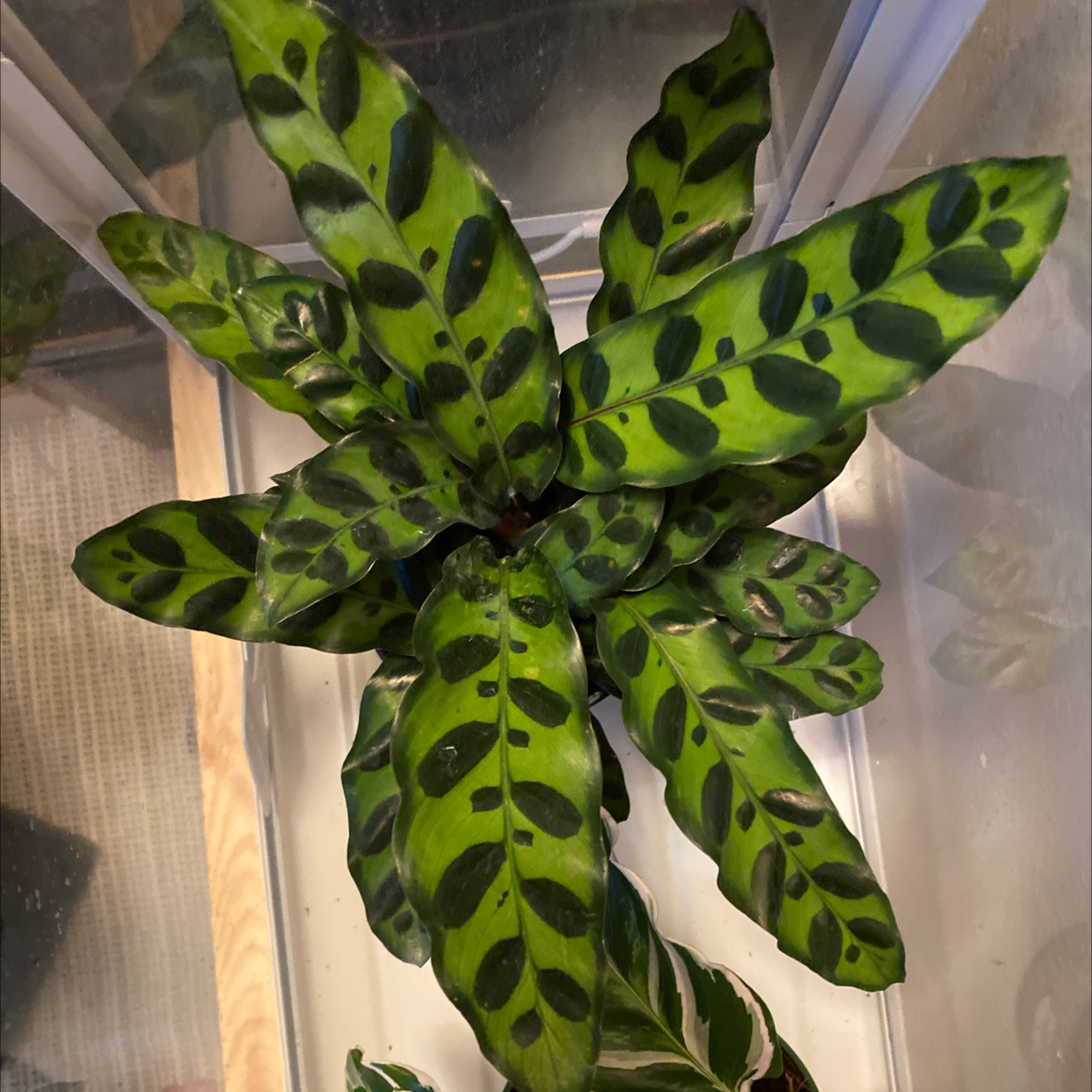
When to Repot a Rattlesnake Plant
Rattlesnake Plants want a fresh pot every two to three years. Move into a container one to two inches wider than the current one in spring, and use a moisture-retaining yet airy mix of two parts standard houseplant soil to one part perlite with a handful of orchid bark mixed in.

How to Know It's Time to Repot
Every Rattlesnake Plant is a little different, so the two-to-three-year cadence is a starting point rather than a strict rule. This is a plant that genuinely resents being disturbed, so it pays to wait for clear signals rather than repotting on a calendar. The plant gives you four reliable signs when the roots have run out of room.
-
1Roots are visible at the drainage holes or have started lifting the plant out of the pot.
-
2The plant has roughly doubled in size since the last time it was potted up.
-
3Soil dries within a day of watering, and the leaves curl up or droop between drinks.
-
4New leaves come in noticeably smaller than older ones, or growth has stalled through a full season.
A single sign on its own is worth keeping an eye on, and acting once two or more show up together is usually the right call. Rattlesnake Plant takes longer to recover from a repot than most houseplants, often a full month of droopy leaves before new growth appears, so it's worth being confident the move is needed before disturbing the roots.
The Best Time of Year to Repot
Spring through early summer is the sweet spot for repotting a Rattlesnake Plant. Longer days mean stronger indoor light, which gives the plant the energy to push out fresh roots and recover from a disturbance it already finds stressful. Avoid winter, when growth slows to a crawl and a droopy recovery can drag on for two months instead of one. The exact window shifts a bit depending on your latitude, so use the map below to find yours.

How to Choose a Pot and Soil Mix
Pot Size
Move up by one to two inches in diameter, no more than that. Rattlesnake Plant has a relatively shallow, modest root system, and any extra wet soil around small roots quickly turns into root rot. A 6-inch pot suits a young plant nicely, while a 10 to 12-inch pot will fit a mature Rattlesnake Plant for years. Width matters more than depth here, since the roots spread outward rather than reaching down.
Pot Material
Plastic and glazed ceramic both work beautifully for Rattlesnake Plant. Both hold moisture longer than terracotta, which suits this plant's appetite for steady soil moisture and matches its tropical roots. Terracotta dries too quickly through its porous walls and tends to push you toward chasing the watering can. Whichever you pick, the pot needs at least one drainage hole, since sitting water at the roots makes the famous brown-edge problem dramatically worse.
Soil Mix
A simple blend of two parts standard houseplant mix, one part perlite, and a handful of orchid bark hits the sweet spot for a Rattlesnake Plant. The plant evolved on the humid floor of South American rainforests, so its roots want steady moisture with plenty of air pockets between the particles. Skip dense garden soil and pure peat-based mixes, since both compact within months and trap water around the roots.
How to Repot a Rattlesnake Plant, Step by Step
-
1Water the day before. Give the plant a thorough drink with filtered or rainwater the day before you plan to repot. Moist soil releases the root ball as a single piece, instead of crumbling away and snapping the fine roots that Rattlesnake Plant is so slow to replace.
-
2Squeeze, tip, slide. Squeeze the sides of the pot to loosen the root ball, tip it sideways, and ease the plant out by holding the base of the stems where they meet the soil. Never pull by a single leaf, since the long leaf stalks snap right at the base and you'll lose the whole frond.
-
3Leave the root ball mostly intact. Rattlesnake Plant resents root disturbance more than almost any other houseplant, so resist the urge to tease the roots apart. Trim only obviously dark or mushy sections with clean scissors, and leave the rest of the root ball alone so the plant has less recovering to do.
-
4Divide only if it's really crowded. A mature clump can be teased apart at the natural separations between stem groups, but division shocks this plant hard and recovery can take a couple of months. Hold off unless the pot is truly bursting, and when you do divide, make sure each section has at least three to five stems with a generous chunk of roots attached.
-
5Set, fill, water with filtered water. Add an inch or two of fresh mix to the bottom of the new pot, settle the plant in so the soil line sits at the same level as before, and fill more mix around the roots. Press gently to remove air pockets, then water thoroughly with filtered or rainwater until it drains through the holes. Tap water minerals trigger the brown crispy edges this plant is famous for, so it's worth getting the first watering right.
What to Expect After Repotting
Weeks 1 to 2
Expect dramatic droop, curled leaves, and a generally sulky-looking plant. This is the longest recovery phase of any common houseplant, so try not to panic. Keep the plant in bright indirect light with humidity above 50 percent, water lightly with filtered or rainwater when the top inch of soil feels dry, and skip fertilizer entirely.
Weeks 3 to 6
New leaves start unfurling from the center of the stems, tightly coiled at first like little scrolls. Once you see fresh growth and the existing leaves stay open through the day, you can resume normal watering on a top-inch-dry rhythm. A balanced liquid fertilizer at quarter strength every two weeks from here on supports the new flush. Stick with filtered or rainwater long-term, since tap water minerals are the single biggest cause of the brown crispy edges that plague this plant.
Got More Questions?
About This Article
