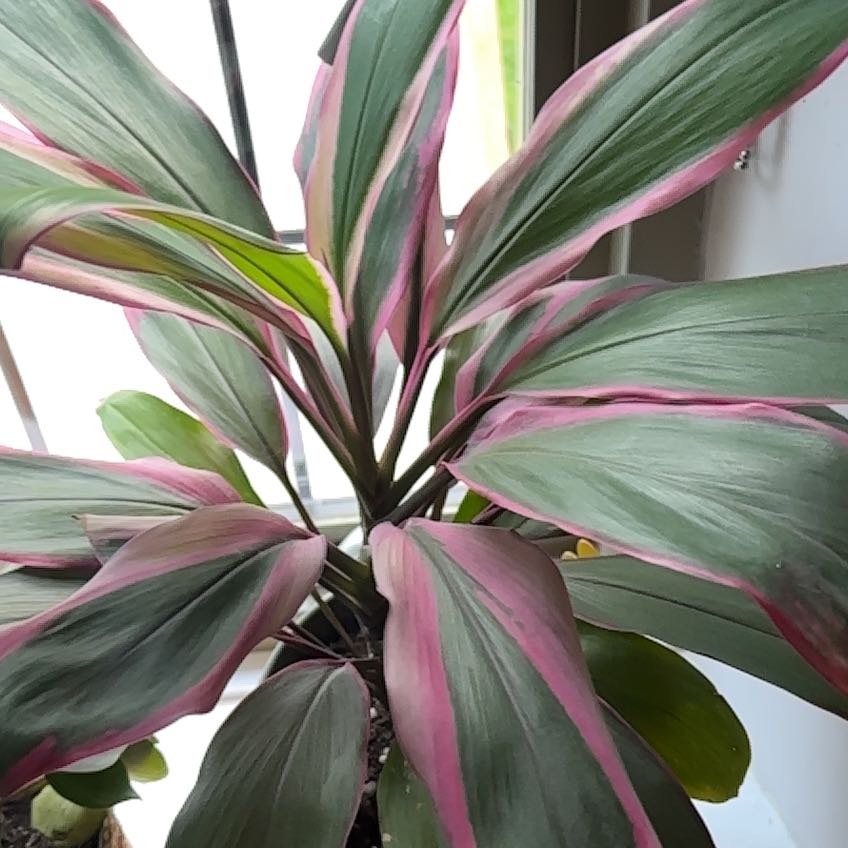
Ti Plant

How to Prune Ti Plant

Cordyline fruticosa
Reviewed by Kiersten Rankel M.S.
Quick Answer
Prune your ti plant in spring before the active growing season. Cut leggy or bare canes back to 6–12 inches above the soil to force new shoots with fresh, colorful foliage. Remove dead leaves by pulling them downward and off the cane. Ti plant responds well to hard pruning and rebounds quickly.

When is the best time to prune?

Ti plant grows most vigorously in warm weather and slows significantly in winter, so spring pruning times the regrowth to the strongest part of the season.

US pruning regions map
Pacific
Mar–May
Mountain
May–Jun
Midwest
Apr–Jun
Northeast
May–Jun
Southeast
Mar–May
Stay on top of plant care
Get seasonal reminders for watering and fertilizing — personalized for your plants.
Try Greg Free

Why Should I Prune My Ti Plant?

Ti plants naturally grow as tall, unbranched canes with leaves clustered at the top. Over time, the lower leaves drop and you're left with a bare stalk topped by a tuft of foliage. Pruning is how you fix that.

Cutting a cane back forces the plant to sprout new shoots from below the cut. You'll often get 2–3 new branches where there was one, creating a much fuller plant. Cut the cane to whatever height you want, usually 6–12 inches above the soil.

Don't worry about being too aggressive. Ti plants are incredibly resilient and regrow quickly from almost any cut. You can even cut every cane on the plant at once if you want a complete refresh. New growth emerges within a few weeks in warm weather.

The cut pieces don't need to go to waste. Ti plant canes root easily if you stick them in water or moist soil. Cut them into 4–6 inch sections, making sure each piece has at least one node, and they'll sprout new plants.

Know Before You Cut

Difficulty Easy
Max removal Can cut all canes back to 6 inches
Growth pattern Upright cane-forming shrub
Tools Pruners or small saw

What Should I Remove?

Cut bare or leggy canes to 6–12 inches above soil
Remove dead or brown lower leaves by pulling down
Save cane cuttings for propagation
Clean up leaf litter at the base
Don't prune in winter when growth is slow
Don't leave bare cane stubs less than 4 inches

How Do I Prune Step by Step?

1
Assess which canes need cutting
Look for canes that are bare at the bottom with leaves only at the top, or canes that have gotten too tall for the space. These are your pruning targets.
2
Cut canes to desired height
Use pruners or a small saw to cut each cane straight across at 6–12 inches above the soil. New shoots will sprout just below the cut within 2–4 weeks.
3
Remove dead leaves
Peel or pull brown, dried leaves downward off the cane. They should come off easily. If they resist, cut them close to the cane with scissors.
4
Propagate the cut canes
Cut removed cane sections into 4–6 inch pieces, each with at least one visible node. Place them in water or moist soil horizontally or vertically. They'll root in 2–3 weeks.
5
Water and feed the pruned plant
Give the plant a good watering after pruning and resume regular fertilizing. The stored energy in the roots will fuel rapid new growth.

Got More Questions?

Can I cut all the canes on my ti plant at once?
Yes. Ti plants tolerate being cut back completely. New shoots will emerge from each cane stub within a few weeks if temperatures are warm.
My ti plant only has leaves at the very top. Is that normal?
It's natural for ti plants to drop lower leaves as they grow. Pruning the cane back is the only way to get foliage lower on the plant again.
Will the cut canes grow multiple branches?
Usually yes. Most canes produce 2–3 new shoots below the cut, which is how pruning creates a fuller, bushier plant over time.
How long until my ti plant looks full again after pruning?
In warm weather with good light, expect 4–6 weeks for visible new growth and 2–3 months for a full, leafy canopy again.
Can I root ti plant cuttings in water?
Yes. Ti cane cuttings root readily in water. Change the water weekly and pot them up once roots are a few inches long.
Stay on top of plant care
Get seasonal reminders for watering and fertilizing — personalized for your plants.
Try Greg Free

About This Article

Kiersten Rankel M.S.
Botanical Data Lead at Greg · Plant Scientist
About the Author
Kiersten Rankel holds an M.S. in Ecology & Evolutionary Biology from Tulane University. A certified Louisiana Master Naturalist, she has over a decade of experience in science communication, with research spanning corals, cypress trees, marsh grasses, and more. At Greg, she curates species data and verifies care recommendations against botanical research.
See Kiersten Rankel's full background on LinkedIn.
Editorial Process
Pruning guidance verified against Cordyline fruticosa growth data from Greg's botanical database, cross-referenced with USDA hardiness zone data and published horticultural research.
9,555+ Greg users growing this plant
USDA hardiness zones 10a–12b
Grow plants with confidence