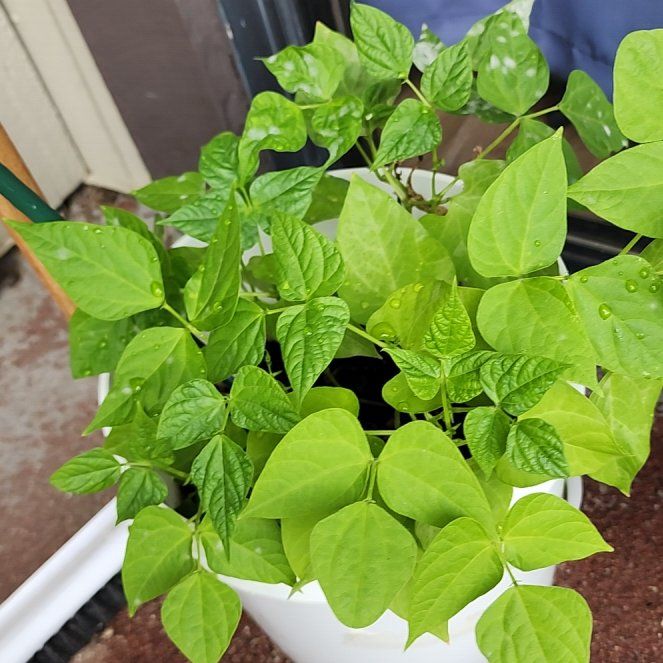
Common Bean

How to Prune Common Bean

Phaseolus vulgaris
Reviewed by Kiersten Rankel M.S.
Quick Answer
Pinch back Common Bean growing tips in late spring once seedlings reach 6 inches tall to encourage bushy, productive plants. Focus on removing the top inch of each main stem to trigger side branching. For pole beans, you can also trim the main vine once it reaches its support's top to keep energy focused on pod production.

When is the best time to prune?

Since Common Bean is an annual grown after last frost, pruning timing follows your local frost-free date rather than a fixed calendar month.

US pruning regions map
Pacific
Apr–May
Mountain
Jun–Jul
Midwest
May–Jun
Northeast
May–Jun
Southeast
Mar–May
Stay on top of plant care
Get seasonal reminders for watering and fertilizing — personalized for your plants.
Try Greg Free

Why Should I Prune My Common Bean?

Common beans don't require heavy pruning, but a little tip-pinching goes a long way. When you pinch the growing tip of a young bean plant, it responds by sending out more side branches, which means more pods.

For bush beans, pinch the main stem once plants hit about 6 inches tall. For pole beans, let them climb freely but cut or pinch the lead vine once it reaches the top of its trellis. This keeps the plant producing pods on the side branches rather than endlessly growing upward.

Throughout the season, remove any yellowing leaves and spent pods promptly. Leaving old pods on the plant signals it to stop producing, so harvest regularly and trim off anything that's past its prime.

Don't prune heavily during flowering or early pod set. Beans are annuals with a limited window, and removing too much foliage during the critical bloom period can reduce your harvest.

Know Before You Cut

Difficulty Easy
Max removal Tip only (top 1–2 inches)
Growth pattern Climbing vine / bush
Tools Fingers or sharp scissors

What Should I Remove?

Pinch growing tips when plants reach 6 inches
Cut pole bean vines at trellis top to redirect energy
Remove yellowing or diseased leaves throughout season
Harvest pods regularly to keep plants producing
Don't prune heavily during flowering or pod set
Don't remove large sections of healthy foliage
Don't leave overripe pods on the plant

How Do I Prune Step by Step?

1
Wait until seedlings reach 6 inches
Let your bean seedlings establish for a couple of weeks after germination before any pruning. You want at least two sets of true leaves before pinching.
2
Pinch the main growing tip
Using your fingers or scissors, remove the top inch of the main stem just above a leaf node. This signals the plant to branch outward instead of growing straight up.
3
Cap pole beans at the trellis top
Once a pole bean vine reaches the highest point of its support, snip the lead stem there. This redirects the plant's energy into side branches and pod production rather than more climbing.
4
Remove spent foliage throughout the season
Clip off yellowed, damaged, or diseased leaves as you see them. This improves air circulation and reduces the chance of fungal issues in humid conditions.
5
Harvest pods consistently
Pick pods when they are firm and the seeds inside are still small. Regular harvesting is the single best way to keep beans producing all season. Cut or snap pods cleanly from the stem.

Got More Questions?

Do I need to prune beans at all?
You don't have to, but tip-pinching early on produces bushier plants with more pods. It takes about 30 seconds and noticeably improves yields, especially for bush varieties.
I pruned too much during flowering. Will the plant recover?
Beans are resilient annuals and will usually bounce back with new growth. However, heavy pruning during the bloom window can reduce your total harvest since the plant has a limited season. Let it recover and avoid further pruning until pods are actively forming.
Should I prune bean plants at the end of the season?
No need. Common beans are annuals, so the plant will die after setting seed. Pull the whole plant out after harvest and compost the stems. The roots actually fix nitrogen in the soil, so leave them in the ground to decompose.
Can I pinch back beans that are already flowering?
Avoid pinching once flowers have appeared. Instead, focus on removing damaged leaves and harvesting regularly. Pinching during flowering can interrupt pod set.
Stay on top of plant care
Get seasonal reminders for watering and fertilizing — personalized for your plants.
Try Greg Free

About This Article

Kiersten Rankel M.S.
Botanical Data Lead at Greg · Plant Scientist
About the Author
Kiersten Rankel holds an M.S. in Ecology & Evolutionary Biology from Tulane University. A certified Louisiana Master Naturalist, she has over a decade of experience in science communication, with research spanning corals, cypress trees, marsh grasses, and more. At Greg, she curates species data and verifies care recommendations against botanical research.
See Kiersten Rankel's full background on LinkedIn.
Editorial Process
Pruning guidance verified against Phaseolus vulgaris growth data from Greg's botanical database, cross-referenced with USDA hardiness zone data and published horticultural research.
1,654+ Greg users growing this plant
USDA hardiness zones 2a–11b
Grow plants with confidence