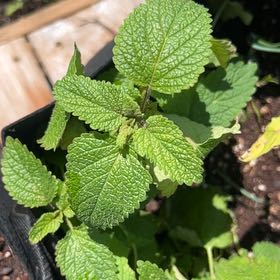
Lemon Balm

How to Prune Lemon Balm

Melissa officinalis
Reviewed by Kiersten Rankel M.S.
Quick Answer
Trim Lemon Balm back by about half in late spring and again in midsummer to keep it bushy and delay flowering. Once it starts flowering, the leaves lose potency and flavor. Cut back to just above a pair of leaves any time stems get tall or start to flower.

When is the best time to prune?

Lemon Balm grows vigorously from spring through summer across its wide hardiness range of zones 4-9, with timing for the main cut-backs shifting a few weeks earlier in warmer southern regions.

US pruning regions map
Pacific
Apr–Aug (every 6-8 weeks)
Mountain
May–Aug
Midwest
May–Aug
Northeast
May–Aug
Southeast
Apr–Sep
Stay on top of plant care
Get seasonal reminders for watering and fertilizing — personalized for your plants.
Try Greg Free

Why Should I Prune My Lemon Balm?

Lemon Balm is an enthusiastic grower that becomes tall and floppy if left unpruned. More importantly, once it starts flowering the leaves lose much of their lemony scent and flavor, which is the main reason most people grow it.

Cutting back stems before flowers appear keeps the plant in its vegetative, leafy state. The leaves on freshly pruned stems are more aromatic and better for culinary and herbal use than mature pre-flowering stems.

The cut-back also prevents self-seeding. Lemon Balm is in the mint family and can spread aggressively if allowed to flower and set seed. Cutting it back before flowers form is the simplest way to contain it.

After cutting, the plant pushes new bushy growth within a week or two. Plan two cut-backs per season: one in late spring as stems begin to elongate, and one in midsummer before the second flowering attempt.

Know Before You Cut

Difficulty Easy
Max removal 1/2 of plant height per session
Growth pattern Clumping upright herb
Tools Sharp scissors or herb snips

What Should I Remove?

Cut back by half before flower buds appear
Cut to just above a healthy pair of leaves
Remove any flowering stems to preserve leaf quality
Cut back again in midsummer for a second flush
Don't let plants flower if you want the best-tasting leaves
Don't cut back to bare stems with no leaves remaining
Don't skip summer cut-back or plants will set seed and spread

How Do I Prune Step by Step?

1
Cut back before flower buds form
Look for stems that have elongated and check near the tips for early flower buds. Cut the whole plant back by about half, working before buds open.
2
Cut to just above a leaf pair
Make each cut directly above a healthy pair of leaves. New stems will branch out from just below that point, creating a fuller, bushier plant.
3
Collect cuttings for use
Fresh Lemon Balm trimmings are at peak flavor right after cutting. Use them for tea, cooking, or dry them by hanging in bunches in a warm, airy spot.
4
Repeat the cut-back in midsummer
By midsummer the plant will have grown tall again and may be attempting to flower again. Repeat the same cut-back to keep it leafy through the end of the growing season.
5
Cut to the ground in late fall
After the first frost or when growth slows in fall, cut the whole plant to 2-3 inches above the soil. It will die back for the winter and return from the root system in spring.

Got More Questions?

Can I harvest and prune Lemon Balm at the same time?
Yes, that's the ideal approach. Regular harvesting of stem tips is the same motion as pruning. Taking sprigs for cooking keeps the plant from flowering and maintains leaf quality.
What if my Lemon Balm has already flowered?
Cut it back to just above the lowest set of leaves. It will regrow with fresh leafy stems within 2-3 weeks. The new growth will be fully aromatic again.
My Lemon Balm is taking over the garden. How do I control it?
The fastest spread comes from self-seeding, so cut back before flowers form. For plants already spreading by root, dig up and remove the unwanted sections. Growing in containers is the most reliable way to contain it.
Will Lemon Balm die if I cut it back too hard?
No, as long as you leave a few sets of leaves on each stem. Cutting to bare stems with no leaves can stress the plant, but it's very resilient and will recover from most pruning mistakes as long as some green tissue remains.
Stay on top of plant care
Get seasonal reminders for watering and fertilizing — personalized for your plants.
Try Greg Free

About This Article

Kiersten Rankel M.S.
Botanical Data Lead at Greg · Plant Scientist
About the Author
Kiersten Rankel holds an M.S. in Ecology & Evolutionary Biology from Tulane University. A certified Louisiana Master Naturalist, she has over a decade of experience in science communication, with research spanning corals, cypress trees, marsh grasses, and more. At Greg, she curates species data and verifies care recommendations against botanical research.
See Kiersten Rankel's full background on LinkedIn.
Editorial Process
Pruning guidance verified against Melissa officinalis growth data from Greg's botanical database, cross-referenced with USDA hardiness zone data and published horticultural research.
2,277+ Greg users growing this plant
USDA hardiness zones 4a–9b
Grow plants with confidence