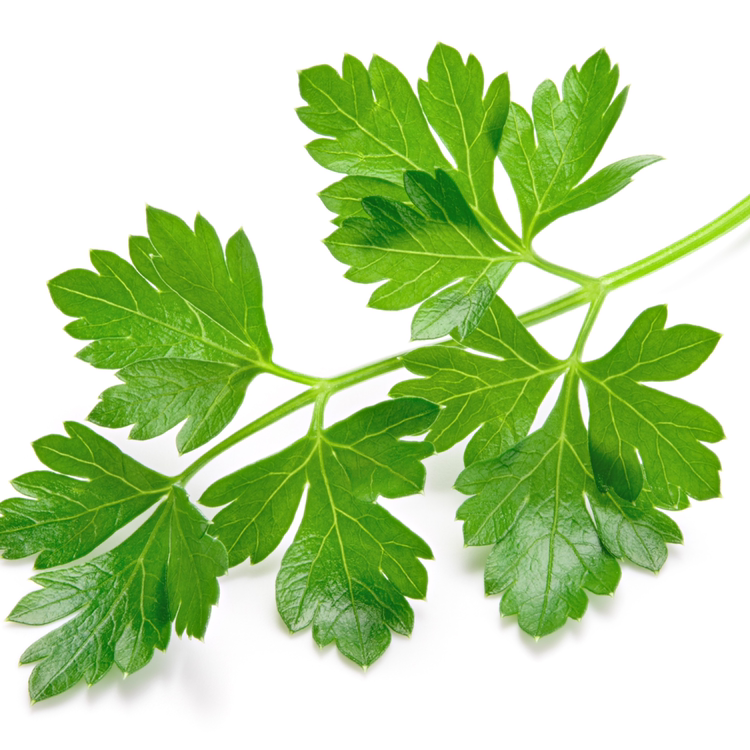
Italian Parsley

How to Prune Italian Parsley

Petroselinum crispum
Reviewed by Kiersten Rankel M.S.
Quick Answer
Harvest Italian Parsley throughout spring and summer by cutting outer stems down to the base of the plant. Focus on removing the oldest, outermost stems first and any flower stalks the moment they appear. Never strip more than a third of the plant at once, or it may struggle to recover.

When is the best time to prune?

Italian Parsley can be harvested nearly year-round in mild climates, but the most important pruning happens in spring and early summer when flower stalks first emerge.

US pruning regions map
Pacific
Mar–Oct
Mountain
Jun–Sep
Midwest
May–Sep
Northeast
May–Sep
Southeast
Mar–Nov
Stay on top of plant care
Get seasonal reminders for watering and fertilizing — personalized for your plants.
Try Greg Free

Why Should I Prune My Italian Parsley?

Italian Parsley is a biennial that puts all its energy into leaves during its first year, then switches to flowering and setting seed in its second. Once it flowers, the leaves turn bitter and the plant begins to die back. Regular pruning keeps the plant in leaf mode longer by redirecting energy away from flowering.

The key habit to build is cutting outer stems all the way down to the base rather than snipping the tips. Cutting to the base encourages the plant to push out new growth from the center. Tip-snipping leaves stumps that stop producing and eventually die off, making the plant look scraggly.

As soon as you spot a tall, straight flower stalk rising from the center, cut it off immediately. This is the single most important thing you can do to extend a parsley plant's useful life. Once flowering begins in earnest, nothing can fully stop it, but removing stalks early buys you several more weeks of fresh leaves.

Frequency matters here: harvesting a few stems every week or two does more good than one big harvest every month. Consistent light pruning keeps Italian Parsley dense and productive all season.

Know Before You Cut

Difficulty Easy
Max removal 1/3 of stems per harvest
Growth pattern Upright herb
Tools Sharp scissors or kitchen shears

What Should I Remove?

Cut outer stems down to the base of the plant
Remove flower stalks as soon as they appear
Harvest regularly to keep new growth coming
Take oldest, outermost stems first
Don't just snip the leaf tips off stems
Don't remove more than 1/3 of the plant at once
Don't let flowers fully open — remove stalks early
Don't harvest the inner crown of young growth

How Do I Prune Step by Step?

1
Identify the stems to remove
Look for the oldest, outermost stems first — these are the thickest and tallest. Also scan for any tall central stalks that look different from the leafy stems, which are flower stalks beginning to form.
2
Cut stems at the base
Snip each selected stem all the way down to where it meets the main cluster at soil level. This is different from deadheading or tip-pruning — you want the full stem gone to encourage new growth from the plant's center.
3
Remove any flower stalks immediately
If you see a straight, tall stalk rising from the center that looks different from the leafy stems, cut it off at the base right away. Removing flower stalks before they open delays bolting and keeps leaf flavor good.
4
Tidy the remaining plant
Remove any yellowed or dead leaves. Leave the young inner growth untouched — this is where your next harvest will come from.

Frequently Asked Questions

Can I prune Italian Parsley in winter?
In mild climates (zones 7 and warmer), you can harvest lightly through winter when the plant is growing slowly. In colder zones where it dies back or goes dormant, hold off until new growth appears in spring.
My parsley bolted and flowered — is it done?
Once Italian Parsley flowers fully, the plant is nearing the end of its life cycle as a biennial. You can cut off flower stalks to slow the decline, but the leaves will become increasingly bitter. Most gardeners start fresh with a new plant at this point.
What happens if I harvest too much at once?
Taking more than a third of the plant at one time stresses it and slows recovery. If you accidentally over-harvest, water it well, move it to a bright spot, and give it two to three weeks to bounce back before harvesting again.
Why are my parsley stems getting tall and thin?
Tall, thin stems with smaller leaves are a sign that the plant is beginning to bolt, or it may be stretching for more light. Remove the elongated stems at the base, check that the plant is getting 6+ hours of light, and harvest more frequently going forward.
Stay on top of plant care
Get seasonal reminders for watering and fertilizing — personalized for your plants.
Try Greg Free

About This Article

Kiersten Rankel M.S.
Botanical Data Lead at Greg · Plant Scientist
About the Author
Kiersten Rankel holds an M.S. in Ecology & Evolutionary Biology from Tulane University. A certified Louisiana Master Naturalist, she has over a decade of experience in science communication, with research spanning corals, cypress trees, marsh grasses, and more. At Greg, she curates species data and verifies care recommendations against botanical research.
See Kiersten Rankel's full background on LinkedIn.
Editorial Process
Pruning guidance verified against Petroselinum crispum growth data from Greg's botanical database, cross-referenced with USDA hardiness zone data and published horticultural research.
3,849+ Greg users growing this plant
USDA hardiness zones 4a–9b
Grow plants with confidence