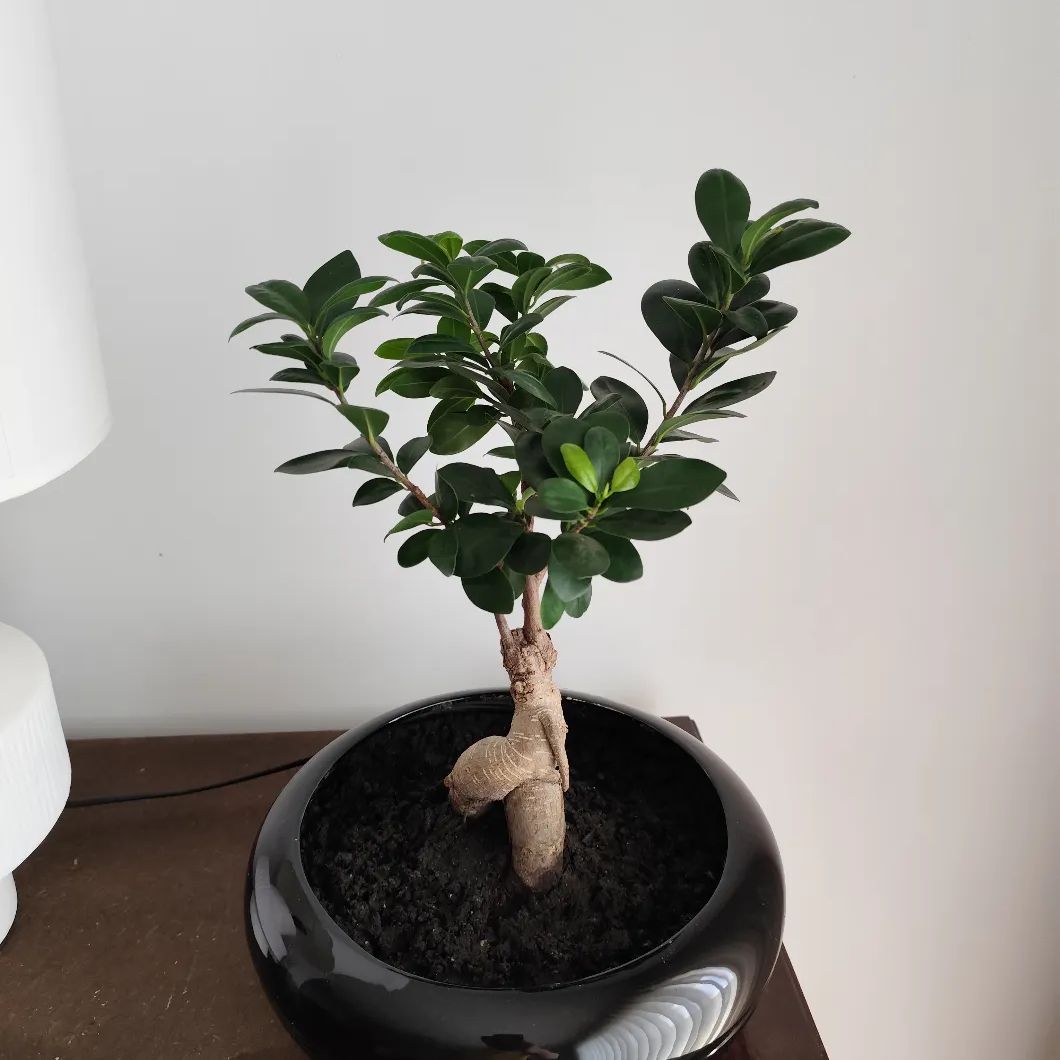
Ficus Ginseng

How to Prune Ficus Ginseng

Ficus microcarpa
Reviewed by Kiersten Rankel M.S.
Quick Answer
Prune your Ficus Ginseng in spring through summer when growth is active, trimming back new shoots to maintain the compact canopy shape you want. Cut back to a leaf or bud, and the plant will branch from that point. Avoid pruning in winter when the plant is under stress from low light.

When is the best time to prune?

Ficus Ginseng is a tropical fig (zones 9–11) that grows best indoors in most climates, and pruning is most successful in spring and summer when the plant is actively producing new shoots.

US pruning regions map
Pacific
Mar–Sep
Mountain
Apr–Aug
Midwest
Apr–Aug
Northeast
Apr–Aug
Southeast
Mar–Sep
Stay on top of plant care
Get seasonal reminders for watering and fertilizing — personalized for your plants.
Try Greg Free

Why Should I Prune My Ficus Ginseng?

Ficus Ginseng is prized for its dramatic swollen root base and compact canopy -- a look inspired by bonsai. Without regular pruning, the canopy can become loose and unbalanced, losing the tidy silhouette that makes this plant appealing.

The good news is that Ficus Ginseng responds well to pruning and branches readily from cut points. Trim new shoots back to one or two leaves once they extend a few inches beyond the canopy outline. Cut just above a leaf or node, and a new bud will usually form there within a few weeks.

Be aware that Ficus microcarpa produces a milky white sap when cut. This sap can irritate skin and is mildly toxic -- wipe it off surfaces quickly and wash your hands after pruning. The sap will dry on the cut surface and doesn't need special treatment.

Avoid moving the plant right before or after heavy pruning. Ficus plants drop leaves when stressed, and combining a location change with major pruning can cause significant defoliation. Prune while the plant is in its established spot.

Know Before You Cut

Difficulty Moderate
Max removal 1/4 of canopy per session
Growth pattern Branching tree
Tools Pruners or bonsai scissors

What Should I Remove?

Trim new shoots back to 1–2 leaves to maintain canopy shape
Cut just above a leaf or node for clean regrowth
Wipe milky sap off tools and surfaces promptly
Prune during spring and summer when growth is active
Don't prune in winter or when the plant is stressed by low light
Don't move the plant right before or after pruning
Don't remove more than 1/4 of the canopy in one session

How Do I Prune Step by Step?

1
Assess the canopy shape first
Step back and look at the overall shape before you cut anything. Identify shoots extending beyond the canopy outline and any crossing branches that disrupt the silhouette.
2
Trim extended shoots back to the canopy outline
Cut each overgrown shoot back to just above a leaf or bud node that sits within the desired canopy shape. This is where new growth will emerge.
3
Remove crossing or inward-growing branches
Cut any branches that cross through the center of the canopy or grow inward toward the trunk. These reduce airflow and disrupt the clean layered look of the tree.
4
Wipe off sap and clean tools
Ficus sap is sticky and irritating. Wipe it off cut surfaces and your tools promptly using a damp cloth. Clean your pruner blades with rubbing alcohol when finished.
5
Keep the plant stable and watch for new buds
Leave the plant in its usual spot after pruning. New buds should appear at the cut points within two to four weeks during the growing season.

Got More Questions?

My Ficus Ginseng is dropping lots of leaves after I pruned it. Is that normal?
Some leaf drop after pruning is normal, especially if the plant was stressed or if conditions changed. Make sure it's in bright indirect light, keep watering consistent, and avoid moving it. New leaves should emerge within a few weeks.
Can I prune the roots of Ficus Ginseng?
Root pruning is a bonsai technique that can be done when repotting, but it's advanced and stressful for the plant if done incorrectly. For most home gardeners, stick to canopy pruning only.
How do I keep the trunk from getting covered in shoots?
Ficus microcarpa often produces small shoots directly from the trunk. Remove these promptly by rubbing them off with your finger when they first appear, or cutting them flush with the trunk. Leaving them makes the tree look messy.
Can I prune Ficus Ginseng in winter?
It's best avoided. Lower light in winter slows the plant's ability to recover from pruning, and stressed Ficus plants drop leaves easily. Light cleanup is okay, but save shaping work for spring.
Stay on top of plant care
Get seasonal reminders for watering and fertilizing — personalized for your plants.
Try Greg Free

About This Article

Kiersten Rankel M.S.
Botanical Data Lead at Greg · Plant Scientist
About the Author
Kiersten Rankel holds an M.S. in Ecology & Evolutionary Biology from Tulane University. A certified Louisiana Master Naturalist, she has over a decade of experience in science communication, with research spanning corals, cypress trees, marsh grasses, and more. At Greg, she curates species data and verifies care recommendations against botanical research.
See Kiersten Rankel's full background on LinkedIn.
Editorial Process
Pruning guidance verified against Ficus microcarpa growth data from Greg's botanical database, cross-referenced with USDA hardiness zone data and published horticultural research.
18,778+ Greg users growing this plant
USDA hardiness zones 9a–11b
Grow plants with confidence