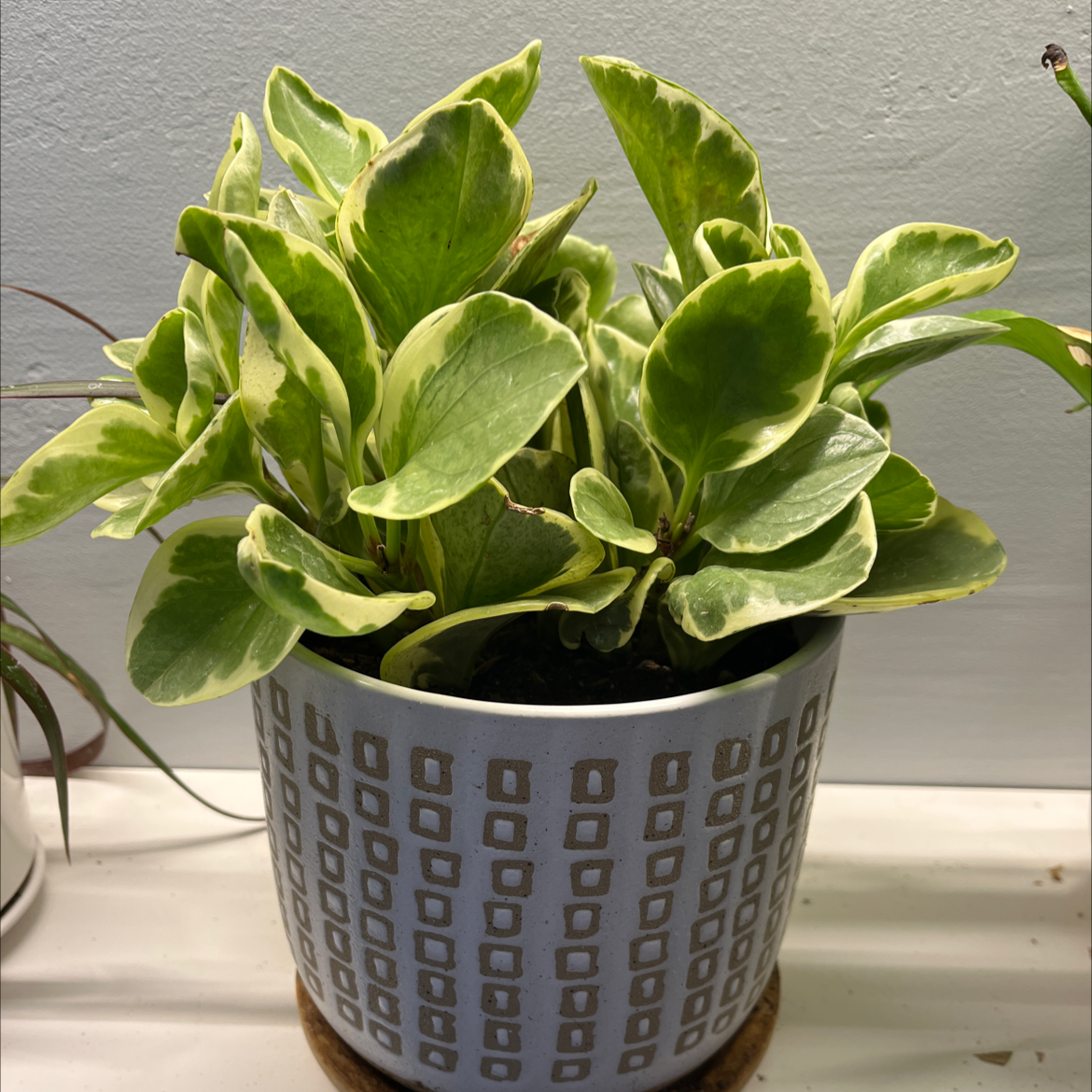
Baby Rubber Plant

How to Prune Baby Rubber Plant

Peperomia obtusifolia
Reviewed by Kiersten Rankel M.S.
Quick Answer
Prune Baby Rubber Plant in spring or early summer when growth is most active. Pinch or snip stem tips just above a leaf to encourage branching and keep the plant compact. Remove no more than a quarter of the plant at once, as it grows slowly and takes time to recover.

When is the best time to prune?

Baby Rubber Plant has unusual dormancy months of May through August in some records, but generally grows most actively in spring and early fall indoors, making those the best times for pruning.

US pruning regions map
Pacific
Mar–May
Mountain
Apr–Jun
Midwest
Apr–Jun
Northeast
Apr–Jun
Southeast
Mar–May
Stay on top of plant care
Get seasonal reminders for watering and fertilizing — personalized for your plants.
Try Greg Free

Why Should I Prune My Baby Rubber Plant?

Baby Rubber Plant is a compact, slow-growing peperomia that rarely needs heavy pruning. Most pruning is about maintaining a tidy shape and preventing the plant from getting lanky over time.

Leggy stems develop when the plant isn't getting quite enough light. You'll notice them stretching upward with longer gaps between the glossy leaves. Pinching or cutting back those stretched stems pushes two or more new shoots from just below the cut, which fills the plant out and improves its shape.

Remove any yellowing leaves promptly. They're spent and won't green up again. A few yellowing leaves at the base are normal as the plant matures, but widespread yellowing usually means too much water.

Because Baby Rubber Plant grows slowly, approach pruning conservatively. A little goes a long way. Cutting back too much at once leaves the plant looking sparse for a long time.

Know Before You Cut

Difficulty Easy
Max removal 1/4 of the plant per session
Growth pattern Compact clumping shrub
Tools Sharp scissors

What Should I Remove?

Pinch stem tips just above a leaf to encourage branching
Remove yellowing or damaged leaves at the base
Cut back any stems that have stretched noticeably
Use clean scissors to avoid crushing the soft stems
Don't remove more than a quarter of the plant at once
Don't prune during winter when growth is slowest
Don't overwater after pruning; peperomias are susceptible to rot

How Do I Prune Step by Step?

1
Look for stretched or leggy stems
Identify any stems with unusually long gaps between leaves or that have grown noticeably taller than the rest of the plant.
2
Pinch just above a leaf node
Using your fingers or scissors, remove the growing tip just above a healthy leaf. The plant will push new side shoots from just below the cut within a few weeks.
3
Remove yellowing leaves
Pull yellowing leaves away with a gentle tug or snip them where the leaf stem meets the main stem. If many leaves are yellowing at once, check your watering habits before pruning further.
4
Step back and assess
After each cut, look at the overall shape. Baby Rubber Plant recovers slowly, so less is more. Stop well before the plant looks sparse.

Frequently Asked Questions

Can I prune Baby Rubber Plant in fall or winter?
It's better to wait until spring when growth picks up again. Pruning in winter removes growth the plant produced while it was slow, and new growth to replace it will take longer to appear.
My Baby Rubber Plant lost all its lower leaves. Will it grow back?
Stems that have gone completely bare at the base rarely produce new leaves from those bare sections. You can cut the bare stems back to encourage fresh growth from lower nodes, or take tip cuttings to root and replace the plant.
Why are new leaves on my Baby Rubber Plant so small?
Small new leaves are usually a sign of insufficient light or underwatering. Move the plant somewhere brighter and make sure you're watering when the top inch of soil dries out.
Can I propagate Baby Rubber Plant from prunings?
Yes. Stem tip cuttings with 2-3 leaves root well in moist potting mix. Let the cut end dry for an hour or two before planting to reduce rot risk.
Stay on top of plant care
Get seasonal reminders for watering and fertilizing — personalized for your plants.
Try Greg Free

About This Article

Kiersten Rankel M.S.
Botanical Data Lead at Greg · Plant Scientist
About the Author
Kiersten Rankel holds an M.S. in Ecology & Evolutionary Biology from Tulane University. A certified Louisiana Master Naturalist, she has over a decade of experience in science communication, with research spanning corals, cypress trees, marsh grasses, and more. At Greg, she curates species data and verifies care recommendations against botanical research.
See Kiersten Rankel's full background on LinkedIn.
Editorial Process
Pruning guidance verified against Peperomia obtusifolia growth data from Greg's botanical database, cross-referenced with USDA hardiness zone data and published horticultural research.
39,079+ Greg users growing this plant
USDA hardiness zones 10a–12b
Grow plants with confidence