Plant Care
›
Propagation
›
Gooseberry
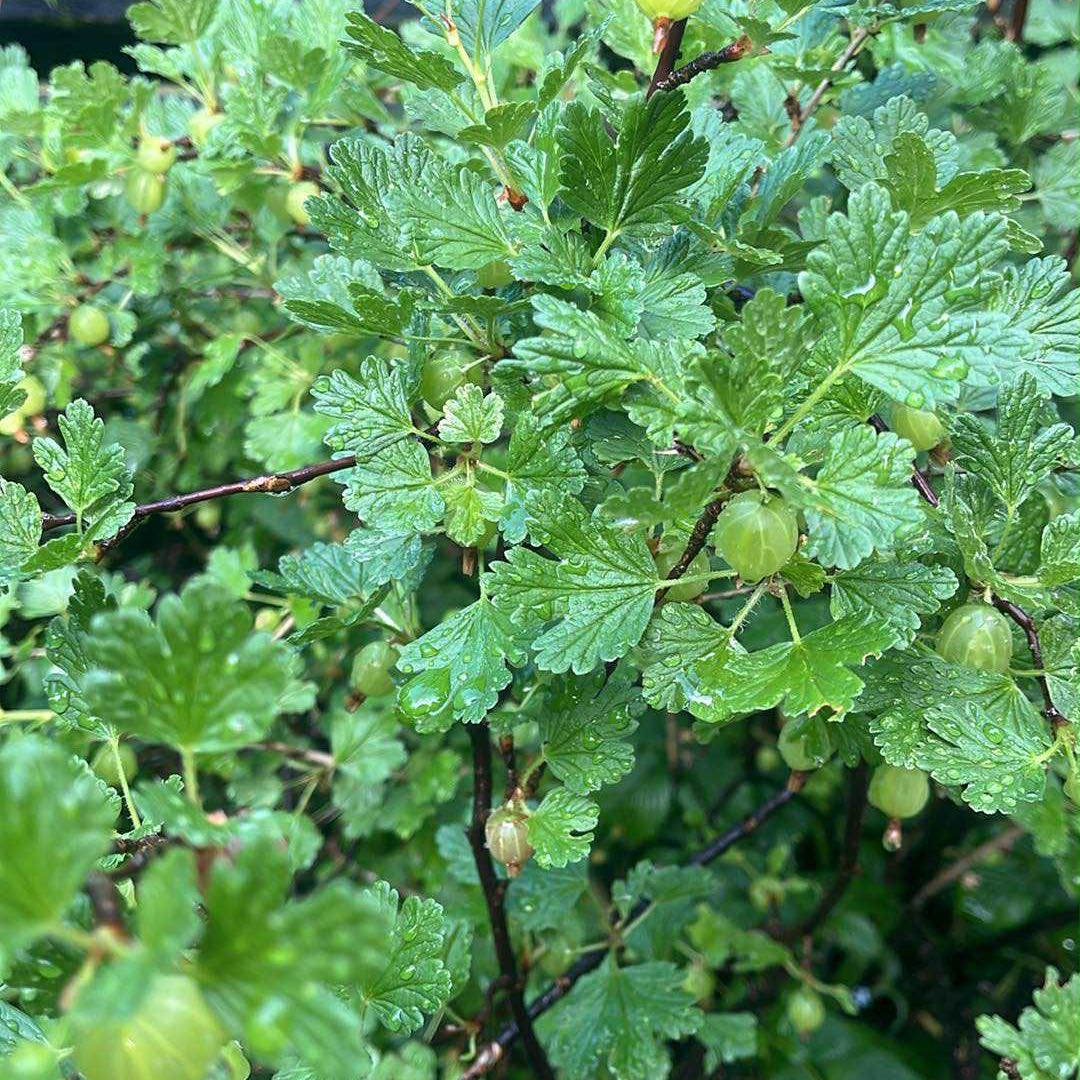
Ribes uva-crispa
Reviewed by Kiersten Rankel M.S.
QUICK ANSWER
Hardwood cuttings taken in late autumn root by spring and produce a fruiting shrub in 2 to 3 years. Mound layering takes a full season but reliably produces several rooted plants from a single parent. Division of an established crown is fastest at one season and gives full-size fruiting plants but only works on multi-stemmed bushes you're willing to dig up.
Stay on top of plant care
Get seasonal reminders for watering and fertilizing, personalized for your plants.
Try Greg Free
Pick your method
Tap one to jump to the walkthrough.
Hardwood cuttings
Best in late autumn for cheap, identical clones
Mound layering
Best when you want multiple rooted plants from one parent
Division
Best when you already have a sprawling, multi-stemmed bush
Hardwood cuttings
Time
5–7 months
Level
Beginner
Success rate
High
You'll need
10 to 12 inch hardwood cuttings of pencil thickness
Sterile pruning shears
Rooting hormone (recommended)
Prepared trench in well-drained garden soil
Mulch
Plant labels
1
Cut in late autumn
After leaves drop, take 10 to 12 inch sections from healthy one-year-old wood. Choose pencil-thick stems with 4 to 6 visible buds. Cut flat just below a bud at the base and at an angle just above a bud at the top so you remember orientation.
2
Strip the lower buds
Remove all buds from the bottom 4 inches with the back of your shears. This prevents suckers from emerging below the soil line and forces all growth from the top buds.
Leave the top 2 to 3 buds intact for shoot growth in spring.
Leave the top 2 to 3 buds intact for shoot growth in spring.
3
Dip in rooting hormone
Tap the bottom end into IBA powder and shake off excess. Gooseberries root without hormone but the take rate jumps from 60 to 90 percent with it.
4
Stick in a prepared trench
Make a 6-inch deep trench in well-drained soil. Push cuttings in two-thirds deep, 6 inches apart, with only 2 to 3 buds visible above ground. Backfill and firm.
5
Mulch and overwinter
Top with 2 inches of mulch to prevent freeze-thaw heaving. Water once and ignore until spring. Cuttings need cold to break dormancy and roots form just before bud break.
Label the row, since unrooted gooseberry sticks all look alike.
Label the row, since unrooted gooseberry sticks all look alike.
6
Lift the next autumn
By autumn, rooted cuttings will have leafed out and put on 6 to 12 inches of growth. Lift carefully with a fork and transplant to permanent spots.
WATCH FOR
Cuttings that leaf out in spring but never put on growth and die back by midsummer. That is a cutting that pushed leaves on stored energy without forming roots. Causes are usually warm, dry soil that broke dormancy too early. For next year, plant in a north-facing or shaded spot and mulch heavily.
Mound layering
Time
6–9 months
Level
Beginner
Success rate
High
You'll need
An established gooseberry bush, 3 or more years old
Pruning shears
Loose compost or sandy soil
Garden trowel
Mulch
1
Cut the parent back hard in late winter
Prune all stems to 4 to 6 inches above ground while the plant is fully dormant. The hard cut forces a thicket of new shoots from the crown in spring.
2
Mound soil over new shoots
Once shoots reach 6 inches in late spring, pile loose compost or sandy soil around them so only the top inch of each shoot is visible. Keep mounding as shoots grow taller through summer.
The mound should end up 8 to 12 inches deep by midsummer.
The mound should end up 8 to 12 inches deep by midsummer.
3
Water through the season
Keep the mound evenly moist all summer. Roots form along the buried portion of each shoot. Drying out at any point delays rooting by weeks.
4
Check roots in autumn
Gently scrape away the soil at the base of one shoot. Each shoot should have its own small root cluster. If roots are sparse, mound back up and wait until next spring.
5
Sever and lift
Cut each rooted shoot from the parent crown with sharp shears, leaving as many roots as possible attached. Lift carefully with a hand fork.
6
Pot or plant immediately
Move rooted shoots straight into 1-gallon pots or their permanent spots. Water in deeply and mulch. The parent recovers and can be layered again in 2 to 3 years.
WATCH FOR
Buried shoots that yellow and stop growing midsummer. That usually means the mound dried out and roots formed at the surface but not deeper. Mound back up with damp compost and water more often. Once buried wood loses moisture, those shoots rarely catch up that season.
Division
Time
1 season
Level
Intermediate
Success rate
High
You'll need
A mature gooseberry bush with multiple crowns
Sharp spade
Pruning saw or loppers
Sterile pruning shears
Compost
Mulch
1
Dig in late autumn or early spring
Wait until the plant is fully dormant. Choose a damp day after rain so the root ball lifts cleanly. Drive a sharp spade in a wide circle 12 inches out from the crown.
2
Lift the entire plant
Pry the bush out with the spade and shake loose soil from the roots. You should see several distinct crowns, each with its own roots and stems.
3
Split the crown
Use a pruning saw or sharp spade to cut between natural crown divisions. Each piece should have at least 3 stems and a fist-sized clump of roots.
Discard any rotted or hollow center sections.
Discard any rotted or hollow center sections.
4
Trim and clean up
Cut back damaged roots and shorten the tallest stems by a third with sterile shears. This balances the smaller root system against fewer leaves to support.
5
Replant immediately
Move divisions to their new spots within an hour. Plant at the same depth as before, water in deeply, and surround with compost. Mulch heavily.
6
Skip fertilizer for the first year
Fresh divisions need to rebuild roots before adding nitrogen. Water through summer and expect a partial fruit crop the following year.
WATCH FOR
Divided plants that leaf out in spring then suddenly wilt and die back during the first heatwave. That is transplant shock from a root system that did not catch up before summer. Shade with row cover for 2 weeks after summer transplant, water deeply twice a week, and accept that fall division is the safer window.
Stay on top of plant care
Get seasonal reminders for watering and fertilizing, personalized for your plants.
Try Greg Free
About This Article

Kiersten Rankel M.S.
Botanical Data Lead at Greg · Plant Scientist
Editorial Process
Propagation methods verified against Ribes uva-crispa growth data from Greg's botanical database, cross-referenced with USDA hardiness zone data and published horticultural research.
147+ Greg users growing this plant
USDA hardiness zones 3a–8b