Plant Care
›
Propagation
›
Evergreen Candytuft
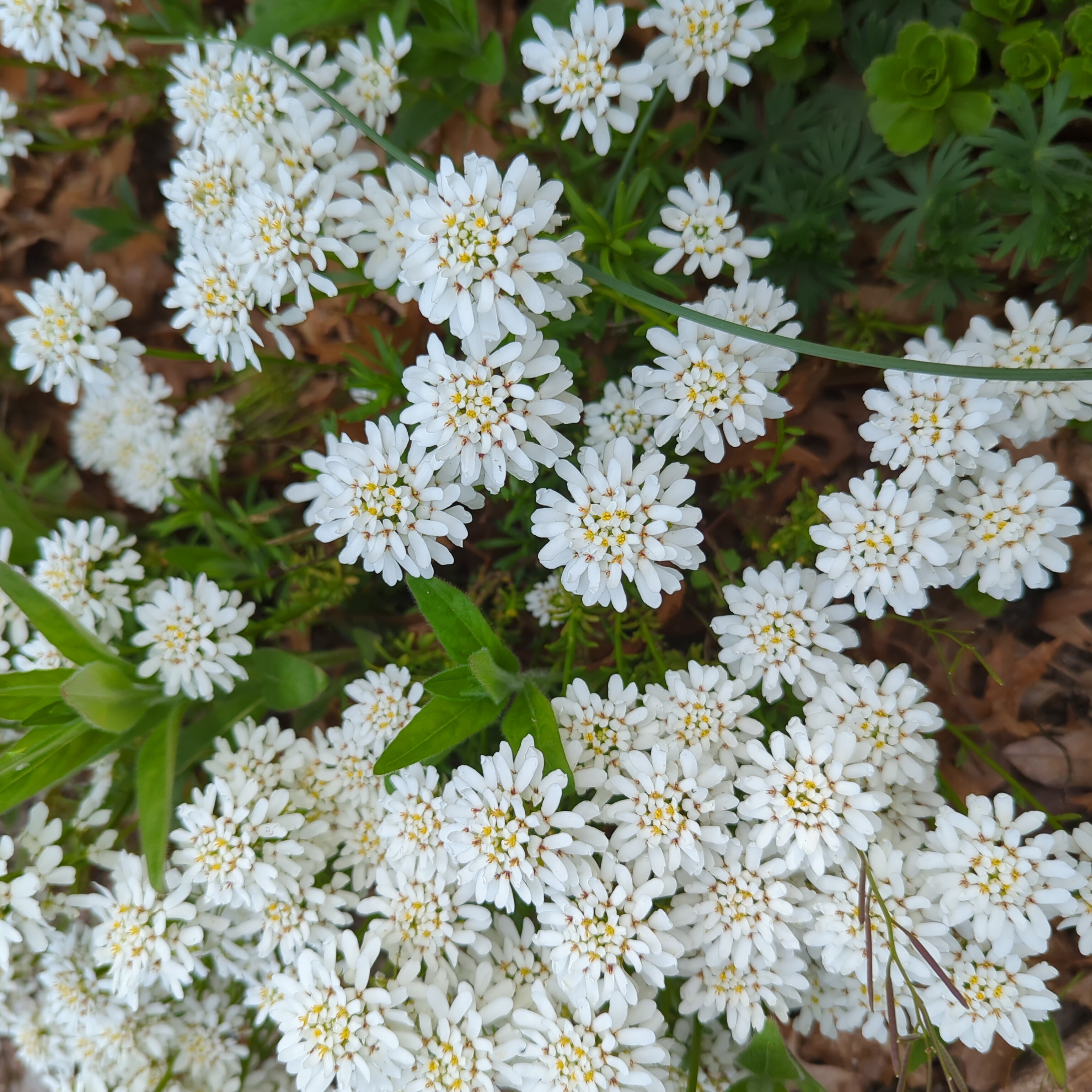
Iberis sempervirens
Reviewed by Kiersten Rankel M.S.
QUICK ANSWER
Stem cuttings root in 4 to 6 weeks after the spring bloom and produce many new mat forming plants from a single mother. Division works in 1 to 2 weeks on mature clumps but only yields two or three new plants per parent.
Seed propagation takes 8 to 10 weeks from sowing to garden ready plants and lets you grow many at once for edging or rock gardens.
Seed propagation takes 8 to 10 weeks from sowing to garden ready plants and lets you grow many at once for edging or rock gardens.
Stay on top of plant care
Get seasonal reminders for watering and fertilizing, personalized for your plants.
Try Greg Free
Pick your method
Tap one to jump to the walkthrough.
Stem cuttings
Best after the spring bloom for many starts
Division
Best when your clump is at least three years old
From seed
Best for many plants for edging or rock gardens
Stem cuttings
Time
4–6 weeks
Level
Beginner
Success rate
High
You'll need
Sterile bypass pruners or sharp scissors
Rooting hormone (optional)
4 inch pots with drainage
Free draining seed starting mix
Clear humidity dome or plastic bag
1
Cut after flowering
Take 3 to 4 inch tip cuttings in late spring or early summer once the white flowers fade. Look for non flowering side shoots since flowering stems do not root well. The wood should bend without snapping.
2
Strip lower leaves
Pinch off the leaves from the bottom inch of the cutting. Leave the cluster of small leaves at the tip intact. Bare stem at the base is what makes contact with the rooting medium.
3
Dip and stick
Rooting hormone is helpful but not required for candytuft, which roots readily. Push each cutting half an inch deep into a 4 inch pot of moist seed starting mix. Space three or four cuttings per pot so they fit comfortably.
4
Cover with humidity
Place a clear dome or inverted plastic bag over the pot to hold moisture. Set in bright indirect light at 65 to 75 degrees. Lift the cover for ten minutes daily to refresh the air and prevent fungal growth.
5
Check for roots at 4 weeks
Give a gentle tug. Resistance means roots have formed. Candytuft is a fast rooter and most cuttings will be ready by the end of the first month.
Remove the dome over a few days to harden off so the new growth does not collapse from the humidity drop.
Remove the dome over a few days to harden off so the new growth does not collapse from the humidity drop.
6
Pot up or plant out
Transplant rooted cuttings to individual 4 inch pots or directly into the garden in a sunny spot with well drained soil. Water deeply for the first two weeks. Most cuttings will establish before fall and bloom the following spring.
WATCH FOR
Cuttings turn black at the soil line and fall over within a week. This is rot from soil that holds too much water. Candytuft hates wet feet at any stage. Use a fast draining mix and let the surface dry between waterings.
Division
Time
1–2 weeks
Level
Beginner
Success rate
Moderate
You'll need
Garden fork or hand spade
Sharp knife
Compost
Watering can
1 gallon pots if not replanting in ground
1
Pick the right time
Divide in early fall after the heat of summer has passed or in early spring before flowering begins. Avoid dividing while the plant is in bloom since it weakens the divisions and reduces flower count for two seasons.
2
Lift the clump
Slide a garden fork four inches outside the clump and rock it back to lift the whole root mass. Candytuft has a woody base with shallow roots that come up cleanly when the soil is moist. Water the day before lifting if the ground is dry.
3
Cut into sections
Use a sharp knife to slice the clump into three or four sections. Each section needs healthy stems, several inches of woody base, and roots attached. Discard any dead or rotted center pieces.
Candytuft tends to die out in the middle as it ages, so the outer sections are the most viable.
Candytuft tends to die out in the middle as it ages, so the outer sections are the most viable.
4
Trim and replant
Cut the stems back by half to reduce water loss while the divisions reestablish. Plant immediately in a sunny spot with sharp drainage at the same depth they were growing before. Amend with a shovel of compost mixed into the planting hole.
5
Water and wait
Water deeply right after planting. Continue watering every three to four days for the first two weeks. New growth from the trimmed stems within two weeks confirms the division has rooted in. After that, water only during dry spells.
WATCH FOR
Divisions wilt and shrivel within the first week. The roots failed to make contact with surrounding soil or the soil drains too poorly. Press the soil firmly around the root ball and switch to a sandier site if roots come back rotted.
From seed
Time
8–10 weeks
Level
Beginner
Success rate
High
You'll need
Iberis sempervirens seeds
Seed starting tray with drainage
Light seed starting mix
Clear plastic dome
4 inch pots for transplanting
1
Sow indoors in late winter
Start seeds 6 to 8 weeks before the last frost date. Fill a tray with seed starting mix and press seeds onto the surface, covering with just an eighth inch of mix. Candytuft seeds need light to germinate, so do not bury them deep.
2
Water and cover
Mist the surface until evenly moist. Place a clear dome or plastic wrap over the tray to hold humidity. Set in bright indirect light at 65 to 75 degrees.
3
Watch for sprouts
Germination takes 2 to 3 weeks. Once half the seeds have sprouted, remove the dome to prevent damping off. Move the tray to a sunny window or under grow lights so seedlings stay stocky rather than leggy.
4
Thin and grow on
When seedlings have two sets of true leaves, thin to the strongest one per cell or pot up individually. Bright light and slightly cool temperatures around 60 to 65 degrees produce the sturdiest young plants.
Feed every two weeks with diluted liquid fertilizer.
Feed every two weeks with diluted liquid fertilizer.
5
Harden off
Once seedlings have four sets of leaves, harden them off over a week by moving them outside for a few hours daily and increasing exposure each day. This builds tolerance to wind and direct sun.
6
Plant out after frost
Transplant to the garden after the last frost in spring. Pick a sunny spot with sharp drainage. Water deeply at planting and again twice a week for the first month. Most seed grown candytuft blooms its second year.
WATCH FOR
Seedlings stretch tall and floppy with pale stems. This is etiolation from too little light. Move closer to grow lights or to a brighter window and lower the temperature a few degrees to encourage sturdy compact growth.
Stay on top of plant care
Get seasonal reminders for watering and fertilizing, personalized for your plants.
Try Greg Free
About This Article

Kiersten Rankel M.S.
Botanical Data Lead at Greg · Plant Scientist
Editorial Process
Propagation methods verified against Iberis sempervirens growth data from Greg's botanical database, cross-referenced with USDA hardiness zone data and published horticultural research.
232+ Greg users growing this plant
USDA hardiness zones 3a–9b